
‘2,2 million people should be on treatment by 2020’
With 8 000 young women being infected with HIV monthly, more work still needs to be done to eradicate the spread.
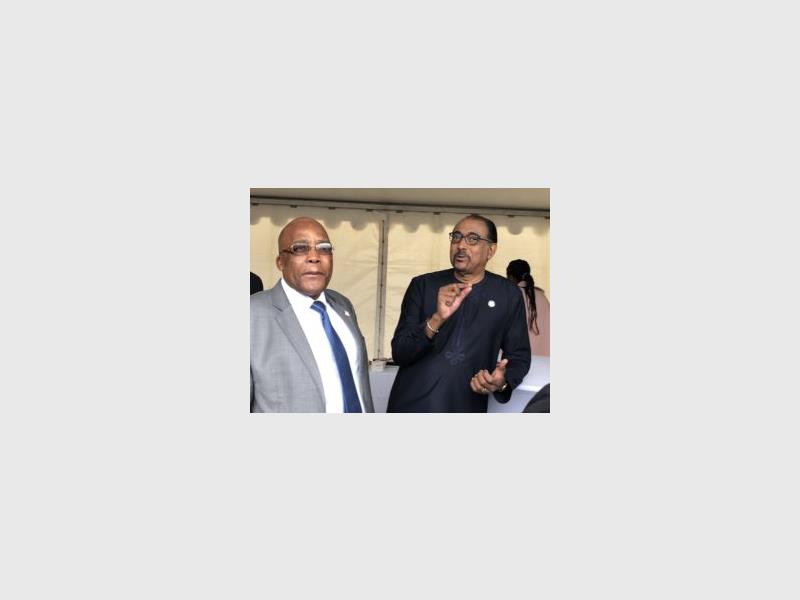
Sex workers are still among the three groups of new HIV infections in the world, and Health Minister, Aaron Motsoaledi, said South Africa should protect this sector.
He was speaking at the United Nations Joint Programme on HIV/ Aids (UNAIDS), ahead of World Aids Day on Friday, 1 December.
He said the concern about sex workers is not just for the Health Ministry – it involves other sectors as well.
“India has not decriminalised sex workers, but health workers in Bangalore are working very openly with sex workers and the police are not arresting them,” said Motsoaledi.
Sex work is still illegal in South Africa, as the South African Law Reform Commission endorsed the law maintaining that status, against the recommendation of the South African National Aids Council.
Michel Sidibe, UNAIDS Executive Director, said Khayelitsha had been chosen to launch the ‘Right to Health’ report because the movement for Antiretroviral (ARV) drug treatment began there.
“There are now 4,2 million South Africans on ARV treatment, and very few people remember that in 2000 there were only 90 people in South Africa on treatment,” said Sidibe.
Motsoaledi said there is no time to rest – the Health Ministry needs to get another 2,2 million people on treatment by 2020.
“There are 2 000 young South African women between the ages of 15 and 24 being infected with the Human Immunodeficiency Virus (HIV) every week, and 270 000 South Africans contracting the virus annually. There are 7,1 million South Africans living with HIV,” Motsoaledi concluded.
The News asked Alicia Maphala, a 21-year-old woman from Krugersdorp’s CBD, for her thoughts on women of about her age being the group with the highest HIV infection rate.
“I think the alarming numbers are the result of those who fear getting pregnant more than they fear contracting HIV, because they use birth control instead of condomising. I think there should be more discussion of the fact that birth control does not prevent the spread of HIV,” she said.
Do you perhaps have more information pertaining to this story? Email us at krugersdorpnews@caxton.co.za or phone us on 011 955 1130.
For free daily local news on the West Rand, also visit our sister websites:
Remember to visit our Facebook, Twitter and Instagram pages to let your voice be heard!