
With load-shedding back and hitting the West Rand as hard as ever, Budget Insurance has released some information to help you deal with the dark.
“Fortunately, it’s truly a case of ‘many hands make light work’, in any sense of the word, and each of us can play our part to limit load-shedding or even stop it in its tracks,” said Susan Steward from Budget Insurance.
Read more:
https://www.citizen.co.za/krugersdorp-news/393078/stage-1-load-shedding-cards-today/
How to limit energy use and stay safe:
1) Do a thorough power audit to see where you can save electricity.
2) Switch to energy-efficient lightbulbs. They are more expensive than traditional incandescent bulbs, but will save you money in the long-term.
3) Install smart plugs which can be set to switch off connected appliances. Most of these come with smartphone applications with which you can set preferences, schedules and names for the devices.
4) Timers, or smart switches, can be especially effective when used on geysers, pool pumps and security lights. This will allow these items to only be used at certain times of day as needed.
5) Replace old, large appliances such as fridges with newer models. Old appliances tend to use a lot more electricity, and newer products usually have some energy-saving function. It might cost a lot to replace these appliances, but will be beneficial in the long-term.
6) Look for appliances with a high energy-efficiency rating. An A rating is the best, with a G rating being the least efficient.
7) Turn off lights and appliances when not in use.
8) Install solar panels, switch out electric stoves with gas stoves and replace air-conditioning units with ceiling fans and fireplaces. This is a high-cost, long-term approach which will greatly reduce your power use.
9) Have a prepaid electricity meter installed to help you better monitor your power consumption.
10) Have a conversation with your partner, children and other family members about saving electricity.
11) Have the proposed load-shedding schedule close by and check it daily to prepare for upcoming load-shedding. An easy way to get daily information on load-shedding times is using the Eskom Se Push application from mobile application stores.
12) Get a few high wattage solar-powered lights for your garden, and LED lights for inside the house. Solar-powered lights for use inside the house should be placed outside or on a window-sill during the day to recharge.
13) Keep your cellphone charged and invest in a portable phone charger.
14) Use extra padlocks, burglar bars and deadbolts, which aren’t power dependent, to add extra security to your home.
15) Make sure that your garage doors, electric gates and alarm systems have proper, working back-up batteries.
16) Keep a flashlight or solar-/ battery-powered light charged and nearby. Also keep spare batteries around.
17) Do not open and close fridges and freezers often to help keep the cold in. These should keep your food cold for one stage of load-shedding.
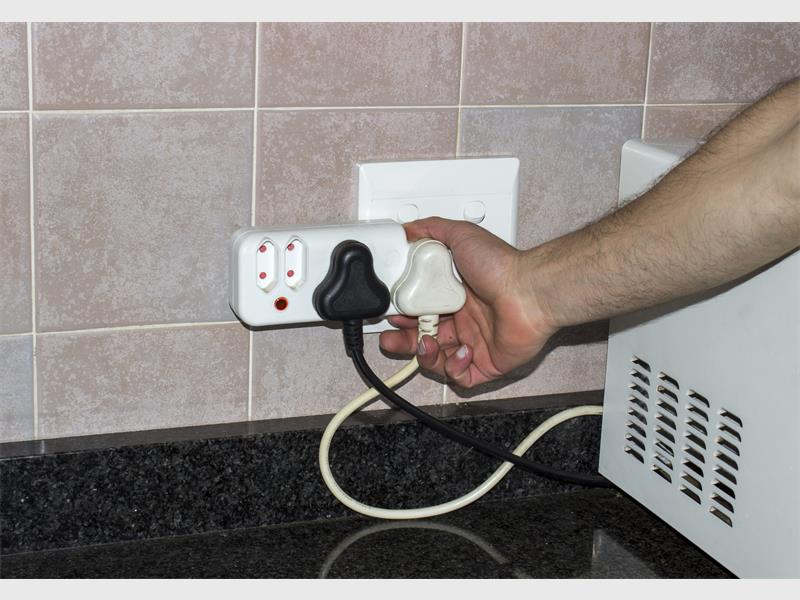
18) Make sure important appliances are unplugged from the wall-sockets or disconnected from the grid to ensure that they do not become damaged or become a fire risk when the power returns. This also minimises the pressure on the grid when the power is turned back on.
19) Be especially careful outside and on the road at night while load-shedding is in progress, as street and traffic lights will be off.