
Swimming instructor shares common misconceptions
"Parents should ask themselves some honest questions before deciding to allow their children in or near a pool."
Since the start of the festive season of 2019/ 2020, one headline featured across mainstream media in South Africa almost every week, with some readers not even taking much notice of it anymore because it happens so frequently.
The headline usually started with “Toddler drowns …” or “Child found floating … “.
The beginning of the new school year also saw shocking headlines of teenagers who had drowned in different scenarios; all adding to concerns about water safety.
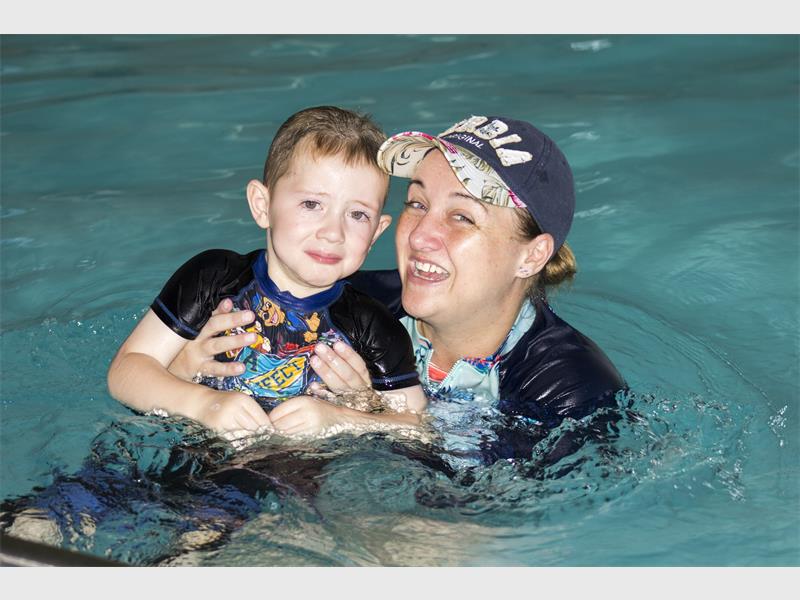
This made local swimming instructor Karien Botha feel very upset. She knew she had to raise her concerns about the misconception parents have when it comes to their children and swimming.
“The biggest misconception parents have is thinking their child should be happy in the water, where instead they should be safe. Parents think that children should not be pushed to learn how to swim, but instead feel comfortable in the pool, being happy and splashing about. That is the biggest problem as children see the water as a safe place and often find themselves in a dangerous situation because of it.”
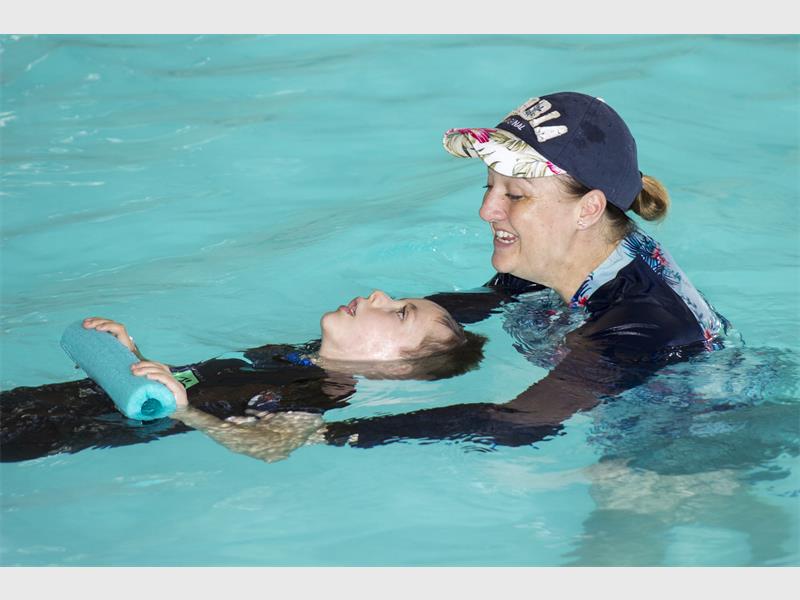
She recommended that children start learning to swim and cope in water by the time they are able to walk – the sooner, the better.
According to Karien, parents should ask themselves some honest questions before deciding to allow their children in or near a pool. Questions like “can my child really swim without aids?”, “am I prepared well enough for the aftermath if something bad happens in the pool?” and “how involved should I, as a parent be in the swimming lessons I take my children to?”.
Another alarming aspect Karien mentioned is parents trusting swimming aids too much.
“Even though swimming aids help, a child still needs to know how to swim without it and under water. Swimming aids only allow you to keep your head above water, but can also be a drowning hazard. It fosters the wrong habits of being in a pool with an aid on because once the aid comes off, fear sets in, leading to drownings.”
Karien wants to stress that swimming lessons should be a priority for parents and it also should not be once-off.
“If after three months of lessons your child still cannot swim or float, you and the instructor are doing something wrong.”
At a swim school children will be taught what to do when being caught up in a dangerous situation involving waters, such as when a boat capsizes, a wave in the ocean knocks them over and if rough play in a pool occurs.
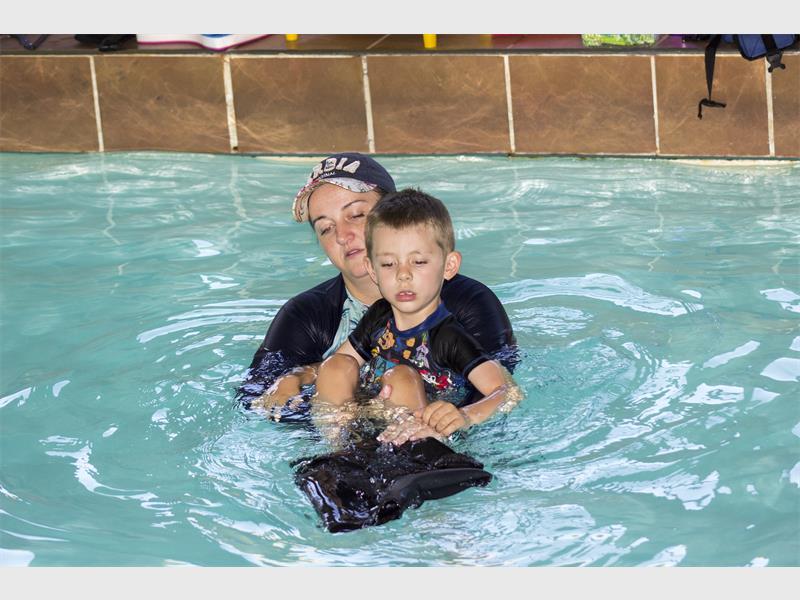
She also vehemently stated that parents have the right to deny their children permission to participate in a water-related activity at school or camp if they feel it’s too unsafe or if their children can’t swim.
“Parents need to realise that if their child calls out to them or cries when they step away from them while they are in the pool, it means they will also not be safe in a group setting during a swimming activity, even if a life guard is present.
“The pros of taking your child to a swimming school far outweigh the cons, but more importantly, it’s giving them a better chance at surviving a swimming accident. Swimming schools and instructors need to be held accountable by parents to produce great results, otherwise they are not doing it right.”
She concluded by reminding parents to do their homework about swimming schools and instructors, even those at their child’s school.
For more information, contact Karien at Kswim Inspire to Swim, in Chancliff, on 082 964 2125 or visit her Facebook page.