When last have you gone four days without electricity? How did that feel?
Now imagine going a full four months with no power. The 50 or so occupants of the 20 homes on Blouberg Street, Kagiso Extension 12 don’t need to imagine this scenario.
“The municipality came to do an audit,” homeowner Prince Maleka started.
“The transformer was not right and they charged us R6 000,” he claimed, explaining that they had electricity for the next four days before the transformer stopped working on 15 May. An Eskom media representative explained that houses connected to the electricity grid illegally usually are fined R6 052,60.
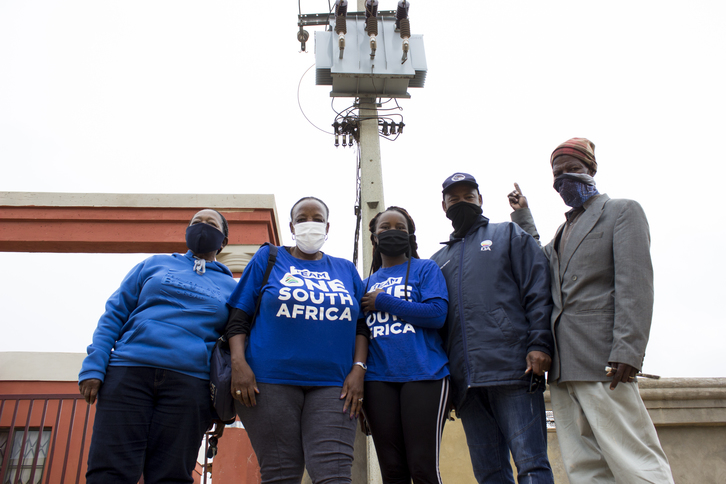
“Remember,” area DA PR councillor Themba Makoena explained, “they were without power in the middle of the winter.” Even during the day, it’s quite dark in most rooms. Some residents are lucky enough to have gas stoves, where others get by with paraffin stored in old two-litre cold drink bottles in the kitchen. Television set screens are covered in a thin layer of dust, and the few satellite TV dishes outside are now only ornaments. It was especially difficult for the young children to get ready for school in the mornings during the winter months when there was no hot water.
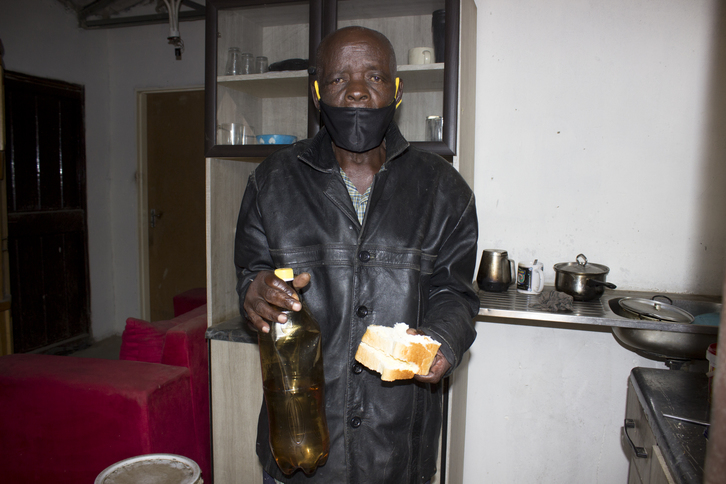
Maleka noted that he has reported the issue to Eskom on numerous occasions. “I spoke to Eskom, but the lady is ducking and diving. I spoke to a technician and he said it’s on the list and will be fixed this week.”
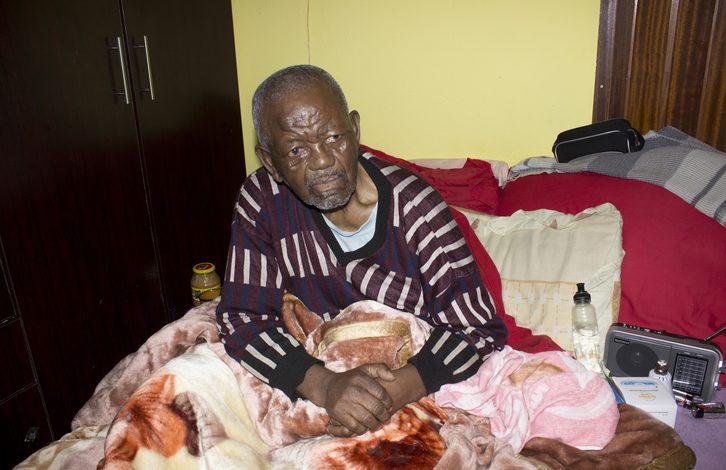
The residents are hopeful at this prospect, as concerns grow for the many elderly and sickly in their community who need electricity more than most.
Isaac Ngwanya stood by the door of his informal home, somewhat away from the others as he coughed.
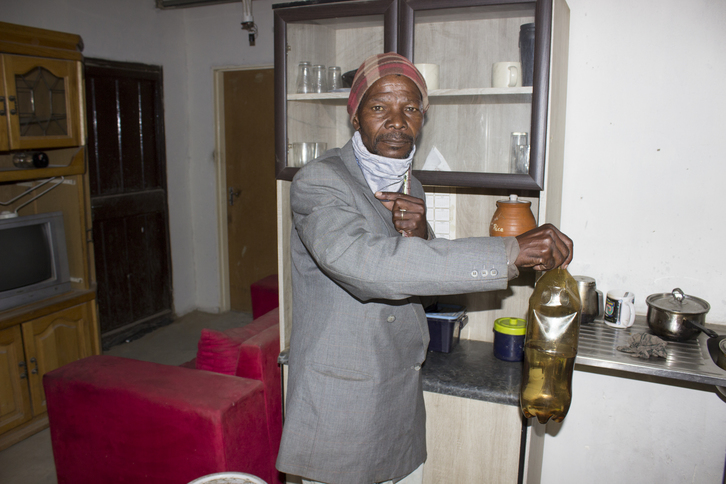
“I have asthma,” he explained in a raspy voice. For him, it’s difficult to cook his food, move about his house or take baths without electricity. The effort to make it work without these now luxuries often worsens his symptoms.
Eskom’s media representative gave the following response: “Eskom plans to conduct network audits in the area from today [9 October] in order to determine the extent of the damage on the network. The audit process includes the removal of illegal connections and meter bypasses, and issuing remedial fines to customers who are found to have tampered with the infrastructure, adding that, “This will further assist us in determining the material and resources required to do repairs or replace the transformer. Once concluded, Eskom anticipates replacing the transformer by the week of 12 October 2020. However, the work involved in the transformer replacement/ repairs will depend on the availability of material and resources required.
Gauteng has experienced a high volume of infrastructure failure in high-density areas as a result of transformer failures and explosions due to the network being overloaded. Should Eskom not be able to repair or replace the transformer within the said period, this will be communicated to the affected customers.”