How to start your own veggie garden
Betty Nkoane, the founder of the Thoughtful Path organisation in Munsieville shared some tips on how to start a vegetable garden.
If you have not made new year’s resolutions yet, why not consider starting your very own vegetable garden? It is not only a relaxing hobby but it can save you money.
Betty Nkoane, the founder of the Thoughtful Path organisation in Munsieville shared some tips on how to start a vegetable garden. Thoughtful Path has been promoting vegetables for many years and Betty and her team teach community members from the Munsieville area how to start their own gardens and to prepare delicious food from the vegetables they grow.
They also have a community garden and the vegetables grown there are sold to help the organisation.
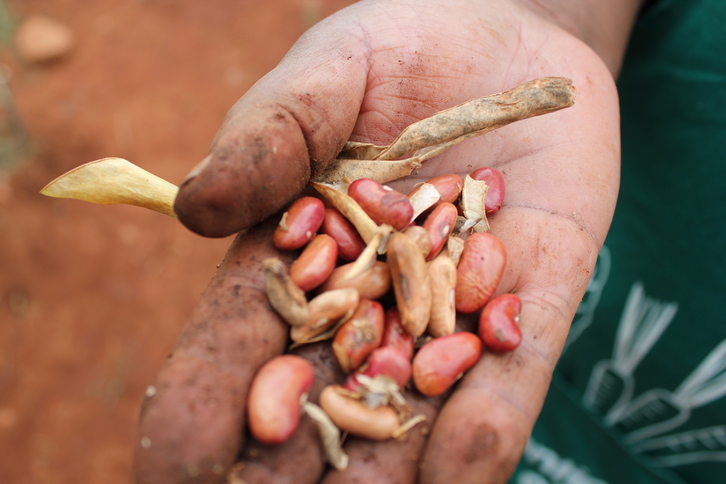
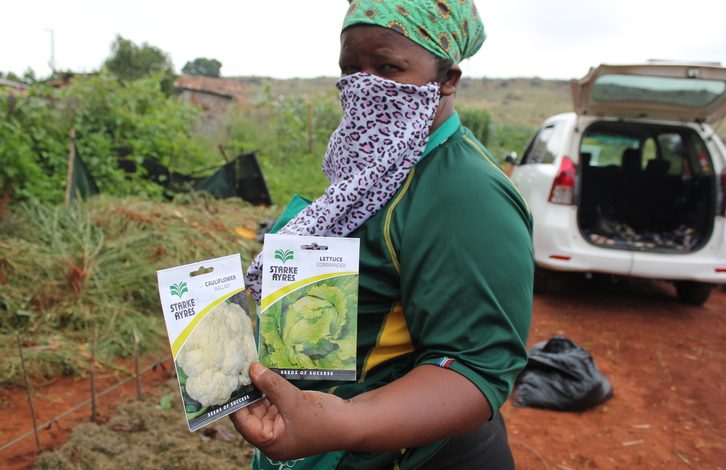
You will need a rake, a hand trowel, a hoe and a spade to start. You can either grow your own seedlings from seed you buy at a supermarket, which is the cheaper option, or buy seedlings and plant them directly in a prepared garden bed.
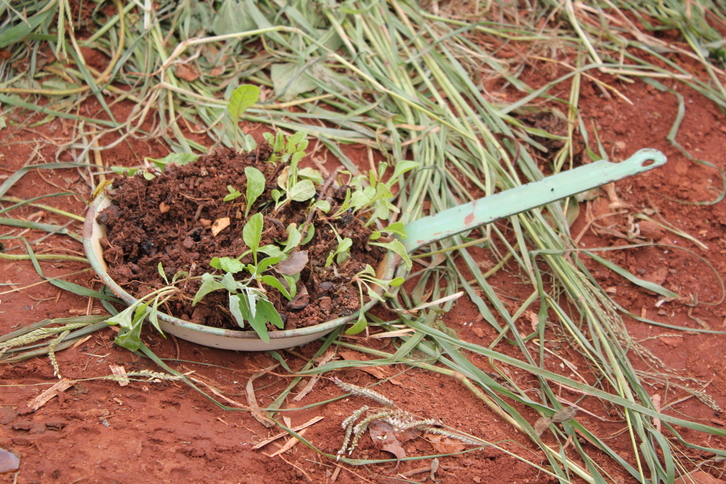
If you decide on the first option, it is best to cultivate the seedlings in a smaller area and when they are big enough, transfer them to a larger, prepared garden bed.
1. Prepare the soil by loosening it, removing any weeds and raking it. Mix in some compost with the soil.
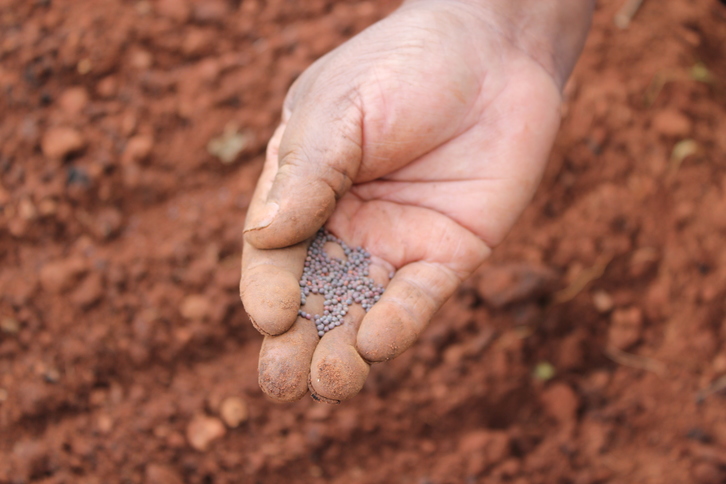
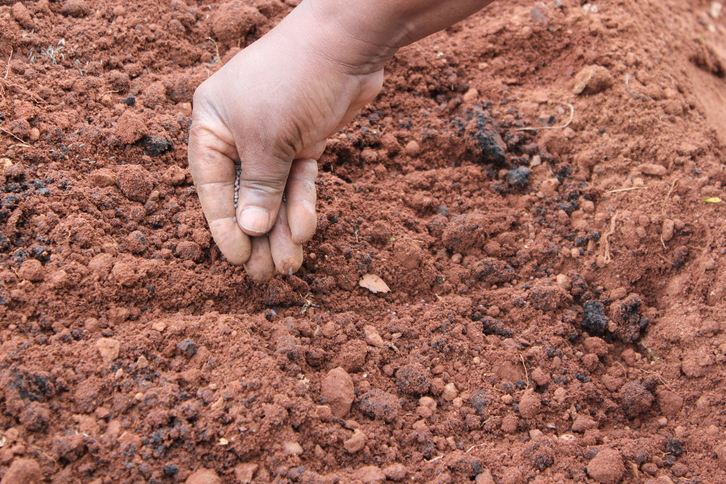
2. Draw a line in the prepared soil, but not too deep. Carefully spread the seeds evenly in the soil, then lightly dust soil on top. Do not bury them. The packet in which you bought the seeds usually indicates the distance you should allow between the seeds.
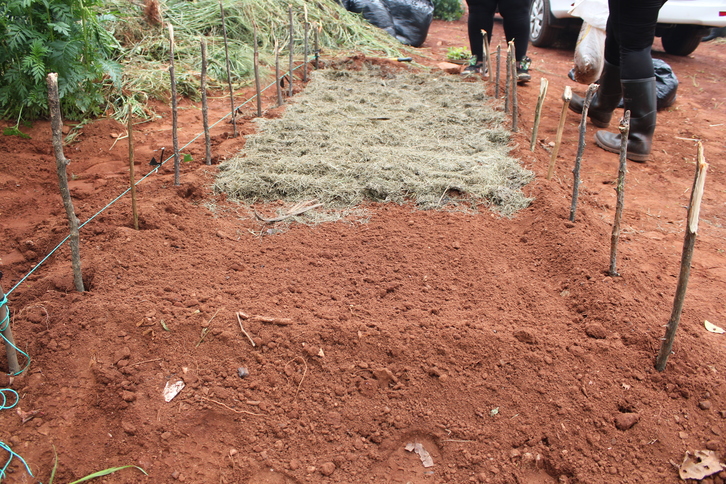
3. You can use mulch to cover the seeds. Mulch helps prevent the water from evaporating and makes it harder for birds to eat the crops.
4. Don’t buy expensive mulch – Betty and her team use grass cuttings.
5. This is a waiting game, so once the seedlings are big enough, they can be transferred to the garden beds.
6. Prepare the garden beds as you did the seed beds by loosening the soil, removing weeds and raking it. Mix in some compost with the soil.
7. Make a hole in the prepared soil the length of your finger and gently place the seedling into it so that the leaves are above ground level. Gentle but firmly squeeze the soil from the sides to cover the roots of the seedling.
8. The distance between the plants varies as some types of vegetables grow larger than others, so keep that in mind when you space them out. The packet in which you bought the seeds usually indicates the planting distance.
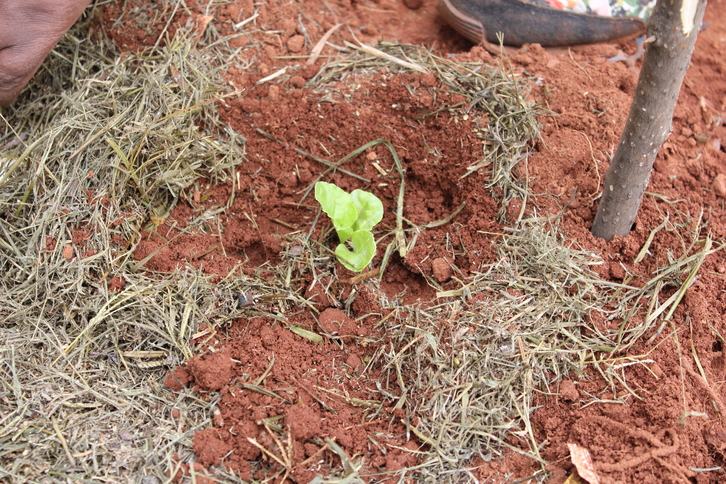
9. After planting all the seedlings, also cover them with mulch.
10. When planting more than one type of vegetable, Betty suggests that you plant a row of vegetables that grow beneath the ground, such as beetroot, and then a row that grows above ground, such as spinach. “After harvesting you can rotate your next crop because it confuses the insects,” Betty said laughing.
11. You can also plant flowers near the vegetables – the insects will be drawn to the flowers rather than to the vegetables.
12. Always remember to plant something with a strong scent, like spring onion as well. This helps to keep the insects away.
13. Water the seedling every day for the first week, and always make sure your water them in the evening or in the morning, and not during the day when it is hot.