Snared! Help to eradicate them
The KaiNav Conservation Foundation and Conserv Security recently took volunteers to look for and remove snares in the Cradle of Humankind. You can join them at the end of March.
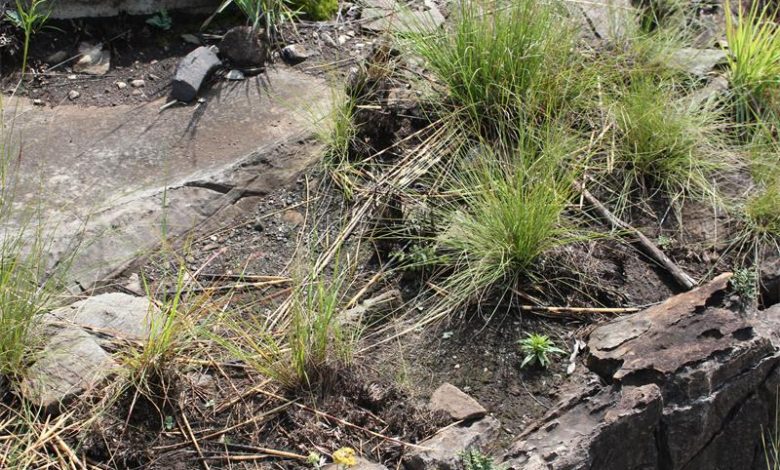
Every month the KaiNav Conservation Foundation with the help of Conserv Security takes a group of volunteers to a different area in the Cradle of Humankind. These outings are not just about learning more about nature and wildlife, but the team actively goes and looks for snares set by poachers. These snares are documented and the potentially deadly animal traps are removed.
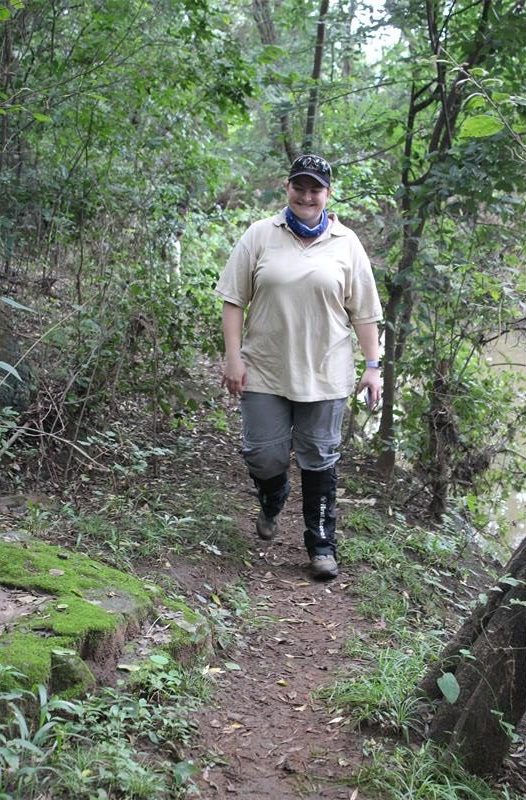
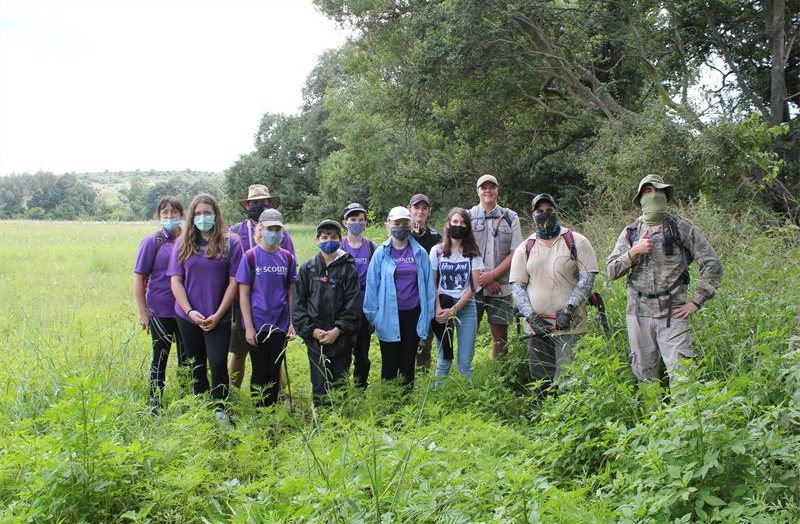
One such expedition took place on Saturday, 27 February. A group of about 20 people, including the KaiNav team geared up early in the morning to go to a resident’s plot. News journalist, Natasha Pretorius, joined the team to find out more about the project.
KaiNav is a non-profit organisation dedicated to the sustainable utilisation of natural resources. They conduct research and also create environmental awareness.
They started the S.N.A.R.E (Snare Neutralisation, Awareness and Removal Effort) research and awareness initiative in January 2015. It focuses on not only gathering data but also on locating and removing snares and other equipment used to illegally harvest wildlife and flora from natural areas in South Africa.
On the Saturday morning Kailen Padayachee from KaiNav explained to the group that poaching is a symptom of greater economical issues, and whether it is poaching for money or poaching for food, it stems from the same problem.
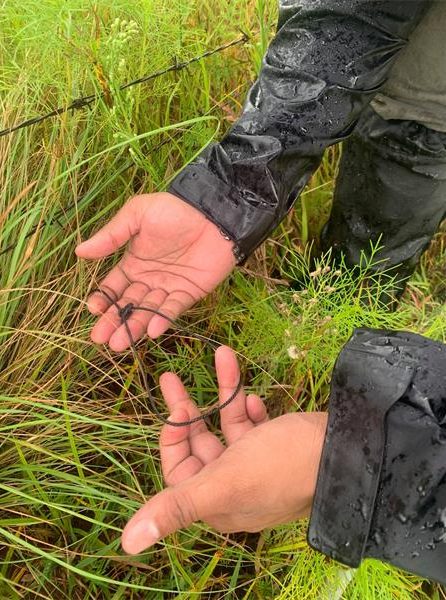
Although there are many different types of poaching, the aim on Saturday was to target snare poaching. A snare is piece of wire, nylon or rope tied in a noose with a slip knot and anchored to something sturdy. When the animal moves through such a snare it closes tightly, keeping the animal in position so the poacher can pick it up later.
He said other types of traps are also popular in the Cradle area, specifically a porcupine trap, as porcupines have become more common in the area recently. A porcupine trap is a funnel that tapers down on one end and is made of chicken wire. When the porcupine enters the funnel it moves to the end of it, but with no way out it starts reversing and its quills then get stuck in the chicken wire.
These traps are usually laid in ‘choke points’, which are areas where the animal is forced to go through like a path which is blocked off on the sides. These choke points can be natural or man-made. Kailen explained to the group how poachers usually prep for snares by creating choke points. They would break branches or block off a path, forcing animals to get used to the choke point before a snare is set.
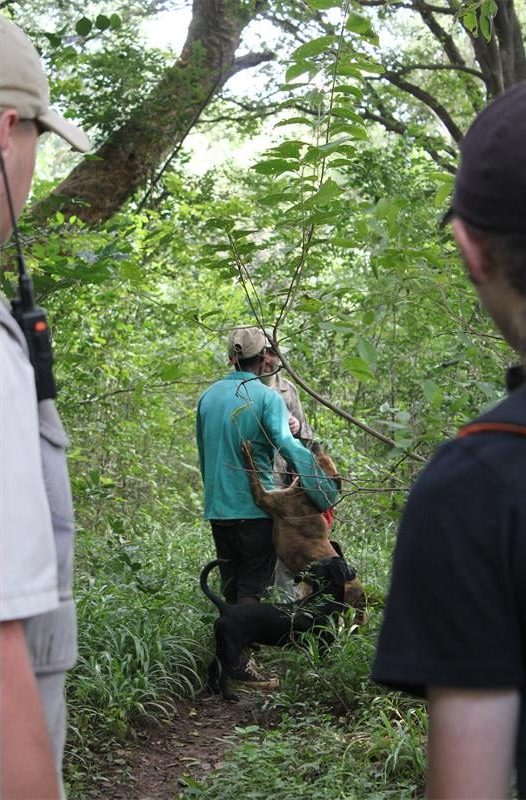
On Saturday the team found two snares, which Kailen and his team first documented before removing them. The group also destroyed several man-made choke points on the property. While looking for snares a man with a pack of dogs was found trespassing on the property, and the group was told about illegal hunting with dogs as a form of poaching.
The group was also taught how to recognise markers and even found a place where a porcupine had been slaughtered.
Those interested can join these expeditions free of charge, but as KaiNav is a non-profit organisation they rely on donations to fund their project. If you want to find out more about the project, how to donate or how to join them on their next outing on 27 March, visit their Facebook page Kainav Conservation Foundation.