
Pool safety for the young ones – 9 tips to help this summer
Nine tips to keep your child safe around water, as the swimming season is on its way.
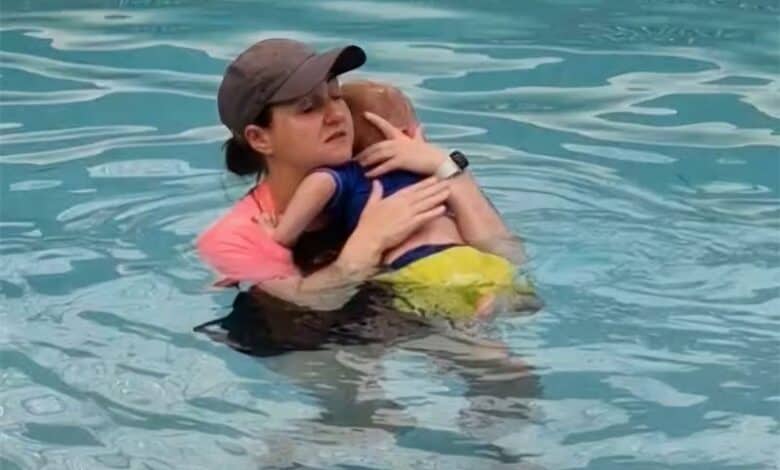
With summer practically on our doorstep, many residents enjoy cooling down in the pool, however, water safety is extremely important, especially for children.
Local swimming teacher Karien Botha wants to share some tips regarding water safety, as there is an average of 1 477 drownings in South Africa annually.
Here’s Karien’s top 9 tips for water safety:
1. Each parent must try to do a CPR or first aid course, as this can save your child’s life and it is a parent’s first responsibility to ensure the swimming pool net, gate and safety measurements are in place each time after using a swimming pool, where it should be closed it immediately after use.
2. A child playing on a swimming pool step is a big hazard if not fully being able to swim on their own. Parents should always sit with their feet in the water watching their children and parents who are not swimming should never put the responsibility of an older sibling to watch the younger ones in the swimming pool.
3. Floatation devices create a false sense of safety in the water, ensure you take the devices off when in the swimming pool with them. Show them in a gentle manner that water is not safe and it’s the safety devices holding them up. Remind them that inflatable devices can deflate, and they should be careful of these. Any safety device that a child can take off themselves is a big no to use.
4. Talk to your little one and explain to them to never go to the swimming pool without mom or dad, as it’s dangerous. Be present when your child is swimming, watch them with no distractions like a phone, tablet, laptop or getting distracted by something that might take your eyes off your child for a few seconds.
5. With siblings swimming together, show them if they hold onto each other, it can be a big hazard of both possibly drowning, talk to your little ones and if possible go into the pool with them and show them if they hold onto each other, one can panic and pull both under.
6. Fishponds, bath water, swimming pools, water streams, and buckets to catch rainwater; all are dangerous for toddlers who do not know better, ensure safety measures for your little one to not be able to get to these life-threatening dangers.
7. If your child is swimming, be aware of the ‘ladder swim’ if it looks like your child is going up and down on the same spot and not moving forward or backwards, that is a sign of distress.
8. Learning to swim should not be an optional extra but a must, as it’s a life skill.
9. Do not leave your child, even for a second, unattended, have your costume on and be in the swimming pool with your child if they are not yet able to swim on their own.
When is it safe for your young child to swim on their own?
“Never, as a wrong dive into the pool can be fatal, a swim into the pool wall or a friend playing and unintentionally pushing your child’s head underwater, so many things can be fatal,” Karien emphasised.
She continued your child will go very pale, and get very tired soon after, but the big thing to be aware of is a little hissing cough that starts straight after swimming.
“If the above happens, seek medical help immediately to rather be safe, as they swallowed too much water.
“Always be aware, always be careful, always take drastic measures to ensure your child’s safety,” she concluded.