
Firefighting only for the brave
The Kishugu Training Academy hopes to offer firefighters both rural and urban firefighting training to prevent fatalities.
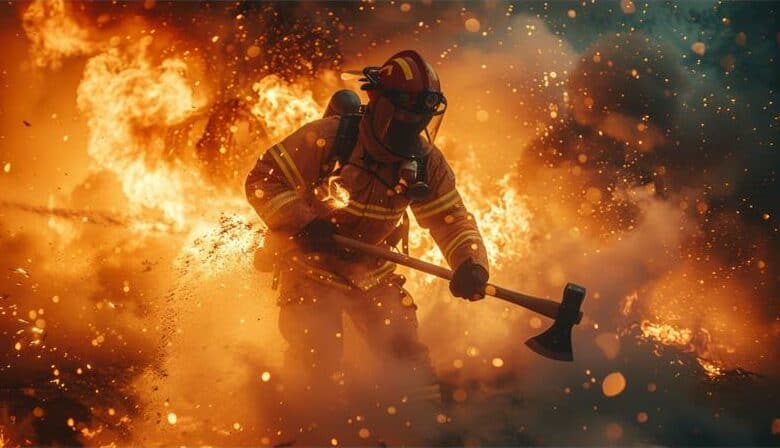
The Working on Fire (WoF) Kishugu Joint Venture team has expressed their need for firefighter training in a changing environment.
In a statement issued recently, WoF communications officer Parapara Makgahlela stated, “The 2024 winter fire season highlighted the severe impacts of climate change, with record-breaking wildfire fatalities, injuries and extensive property losses. Tragically, at least six firefighters lost their lives combating fires in the Boston area of KZN, illustrating the pressing need for professional and comprehensive firefighter training.”
He also noted the escalating difficulty with wildfires, worsened by climate change, demands a dual approach to training, including enhanced wildland and structural firefighting training. This is especially necessary where rural and urban areas overlap as wildland fires are different from structural fires and require specific skills, equipment and strategic responses.
Parapara added climate change has made courses focused on rescue, recovery and fire awareness a necessity and addresses firefighters’ environmental and safety challenges.
With this in mind, the Kishugu Training Academy offers newly accredited programmes with the Southern African Emergency Services Institute (SAESI), including:
• Wildland Firefighters 1 and 2 (NFPA 1140/1051)
• Wildland Fire Officers 1 and 2 (NFPA 1140/1051)
• Hazmat Awareness (NFPA 470/1072)
• Fire and Life Safety Educator 1 (NFPA 1035)
• Fire and Emergency Services Instructor 1 (NFPA 1041)
• Airport Firefighter (NFPA 1003)
They are the first South African academy accredited by SAESI to offer the Aircraft Firefighting qualification.
Jeanette Relling, the quality assurance manager at the academy, said, “The increase in fire fatalities highlights the urgency for structured, accredited training programmes to address the growing complexity of modern firefighting. It is vital to have a structured curriculum, certifications and defined career paths for specialised roles such as incident commanders and fire behaviour analysts.”
Parapara stated the Kishugu-trained firefighters have proven their skills during their deployments to Canada, the USA and Indonesia. They also equip local communities with skills to combat local wildfires.
“The academy emphasises grassroots capacity building to empower communities to manage local wildfires. Community-based programmes are key to reducing reliance on formal firefighting teams. Training communities strengthens wildfire mitigation efforts and promotes fire safety awareness in younger generations,” said Relling.
“Kishugu Training Academy stands ready to provide high-quality training to firefighters, land and lodge owners, farmers, and communities alike, ensuring South Africa is prepared to tackle the growing threat of wildfires exacerbated by climate change,” concluded Parapara.
For more information about Kishugu Training Academy’s courses and initiatives, visit the Kishugu Training website at www.kishugutraining.com.