
Recognising trauma in vulnerable young learners
Children are frequently living with the effects of trauma long before adults recognise the warning signs, The Love Trust cautions.

Mental health is increasingly being recognised as one of the defining challenges of our time, with many experts warning of a growing crisis in the wake of Covid-19.
In vulnerable communities, where children are exposed to ongoing stress, instability and hardship, the impact is often most visible in classrooms – though not always in ways that are easily understood.
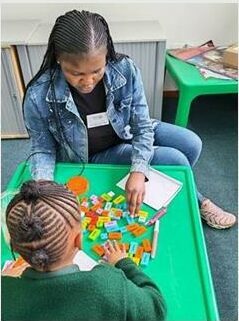
Trauma often hidden in behaviour
According to The Love Trust, a South African NPO working with disadvantaged learners, emotional distress in children frequently presents through behaviour rather than words.
“Trauma is not always a single event but often continuous,” explains social worker Elsie Lekana of The Love Trust.
While acknowledging the depth of challenges many children face, she also highlights their resilience.
“Although children can be deeply vulnerable to harm, neglect, and poverty, they also have a remarkable capacity for resilience and adaptation.”
This balance between vulnerability and resilience underpins a more constructive approach to mental health – one that focuses not only on what children have experienced, but on how they can be supported to cope and grow.
One of the key challenges, the organisation notes, is that trauma does not always look like distress. In a busy classroom, it can be subtle and easily misinterpreted. Children may become aggressive, withdraw from activities, struggle to concentrate, or show signs of anxiety and low self-esteem. In some cases, physical indicators such as poor hygiene may point to deeper emotional strain.
Psychology student Dineo Nobunto, who works closely with Lekana through The Love Trust, says a common misconception is that children are too young to be affected by trauma.
“In reality, trauma affects children deeply, even when they cannot fully verbalise it,” she says.
The organisation emphasises that shifting the question from “What is wrong with this child?” to “What might this child have experienced?” can significantly change how adults respond.
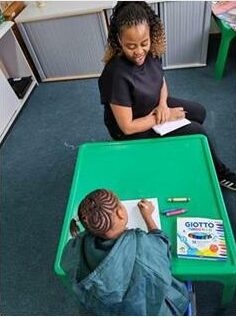
Building safe, supportive environments
Creating safe and supportive environments at home and at school is critical. The Love Trust highlights that consistent routines, emotional availability, and calm, attentive communication help build a sense of stability and trust – key elements in supporting recovery.
When signs of distress emerge, Lekana encourages a response rooted in curiosity rather than judgment. Simple, open-ended statements can help children feel seen without pressure to disclose more than they are ready to share.
Also read: Curro Krugersdorp High announces new head
The Love Trust advises caregivers to look out for behavioural changes such as aggression, withdrawal, declining school performance, or disengagement, as well as emotional signs like persistent fear, low self-esteem, and heightened sensitivity. Physical indicators may include fatigue, poor hygiene, or unexplained aches and pains.
While these signs do not always indicate trauma, they may signal a need for support. The organisation stresses that small, consistent actions – such as listening, validating feelings, maintaining routines, and prioritising connection – can make a meaningful difference.
Supporting children in trauma-affected communities, The Love Trust notes, is not about having all the answers, but about showing up with empathy and consistency to help restore a sense of safety, dignity and hope.
If you or someone you know is struggling with feelings of overwhelm or depression, support is available. Contact the South African Depression and Anxiety Group (SADAG) on 0800 567 567 for free assistance.