



The annual Braai Index said that South Africa’s favourite pastime is becoming more expensive. But, said Eskort CEO Arnold Prinsloo,...
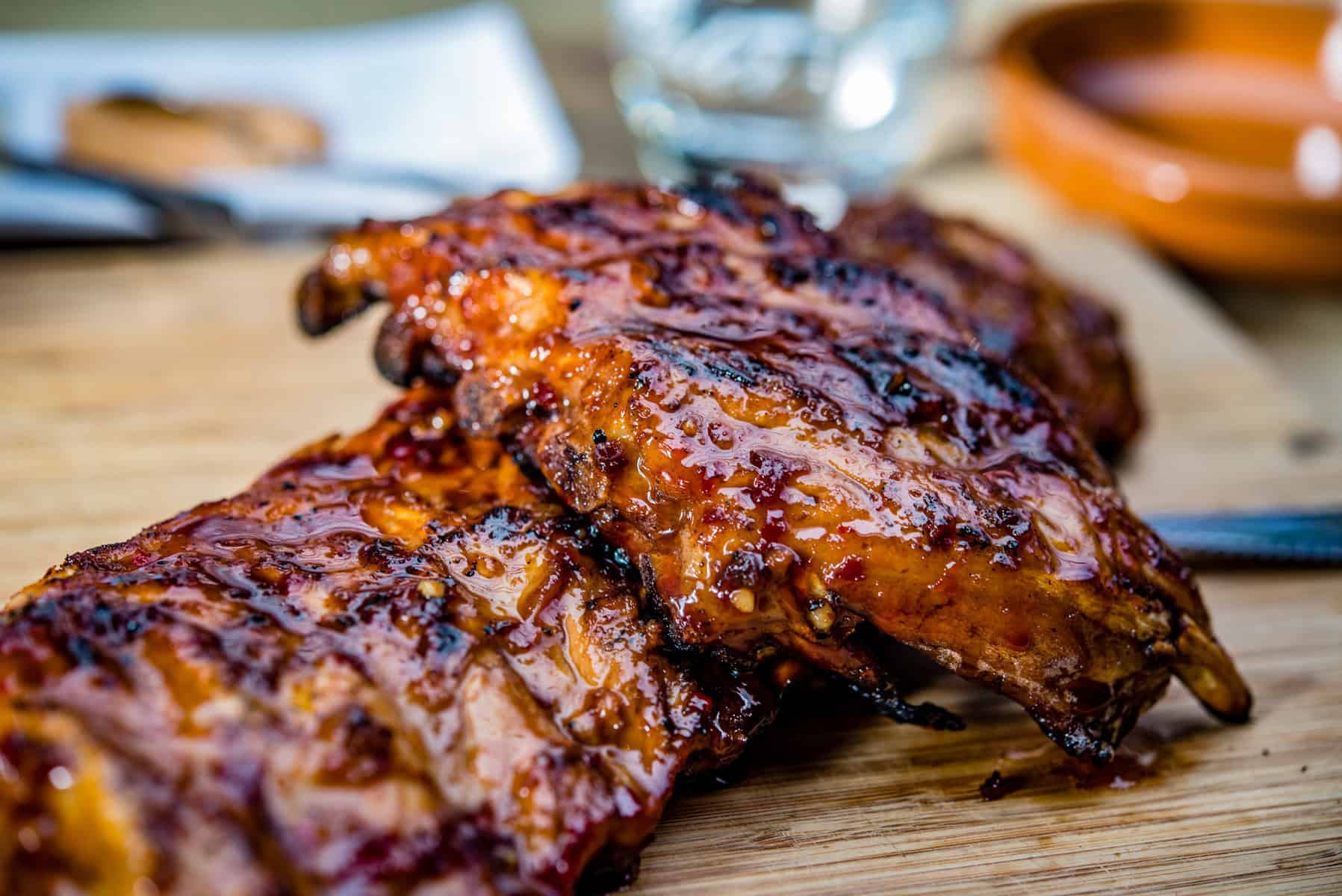
Ribs are fundamental to any braai, yet it’s not indexed. Picture iStock


The annual Braai Index said that South Africa’s favourite pastime is becoming more expensive.
But, said Eskort CEO Arnold Prinsloo, the published yardstick is somewhat underdone. Compilers had neglected to include pork in the pricing survey, and he’s got some beef with that.
Eskort is one of South Africa’s largest producers of pork meat products.
The Braai Index is often used as a point of reference for what it costs to host a braai. It tracks selected items such as beef, wors, chicken portions and a handful of vegetables and staples. It takes inflation into account, and the good news is that everything but meat is not going to burn too many holes in consumers’ pockets.
When the index hikes, though, as a consequence of protein price hikes, it often feeds the narrative that braais are turning into a luxury.
Beef’s upward price trajectory
The most recent version was published late last year. It showed that beef inflation headed sharply north.
Prinsloo said that the index is incomplete. “If we are serious about measuring what a braai costs South Africans,” he said, “then we have to measure what South Africans actually braai.”
He argued that leaving pork out of the basket skews how consumers understand food inflation. This influences their choices at the butchery counter.
“When the index shows beef up 20 to 25% year on year, it suggests that braais are becoming unaffordable,” he said. “That presents families with a false choice between paying more or cutting back on gatherings.”
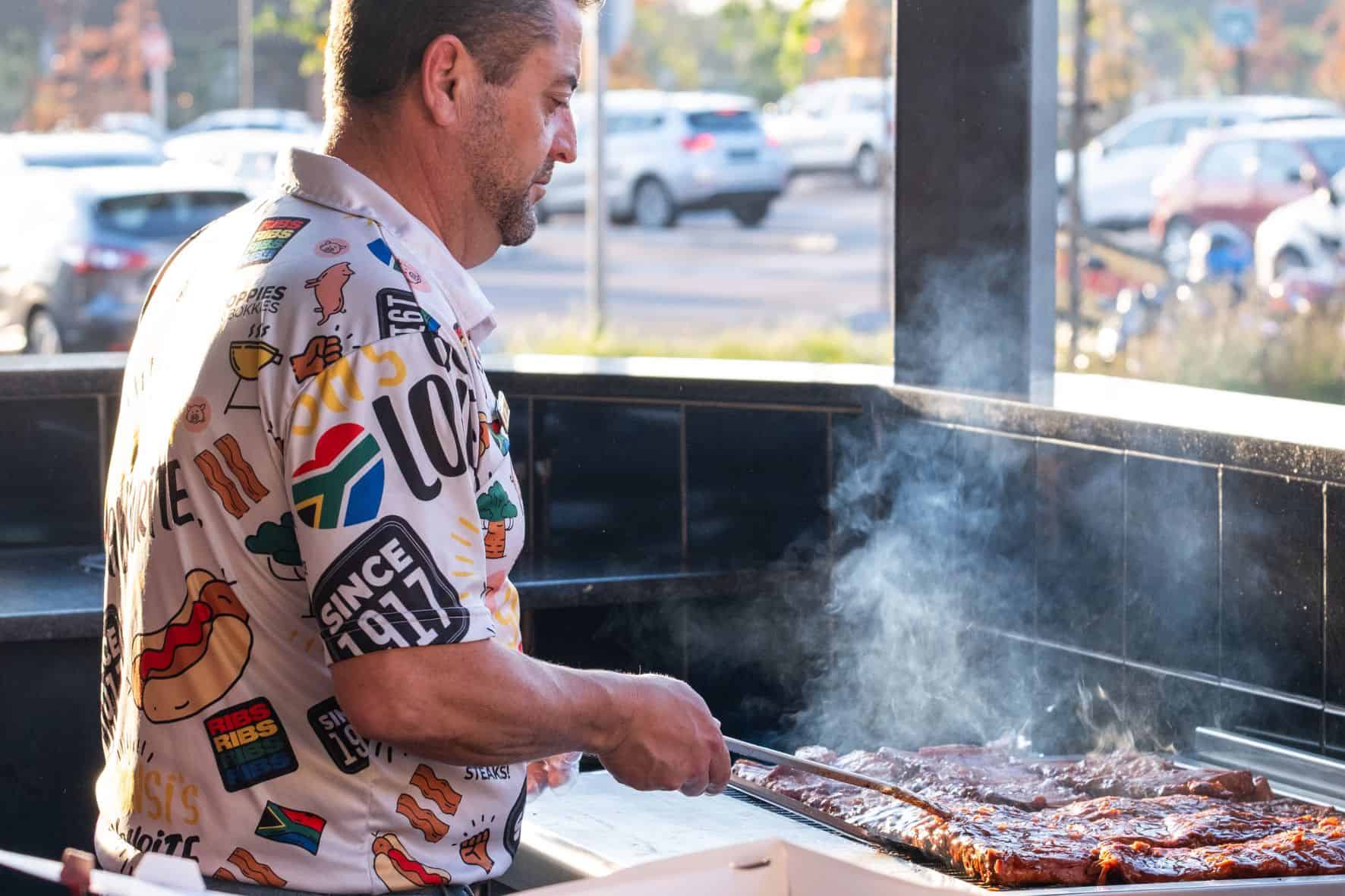
The good news that potatoes and onions were on average price-climbing slower than before.
Prinsloo compared like-for-like braai baskets based on Stats SA numbers. Beef fillet sits at about R291.78 per kilogram, while pork fillet is closer to less than half at R114.25. This means, he said, that a beef-heavy braai for an average family, including beef fillet, beef ribs and beef boerewors, can total roughly R587.74.
“A pork-based basket with pork fillet, pork sausages and pork ribs comes in at about R394.25. The difference is just under R200, or nearly 50% more for the beef option,” he said.
“You get nearly three times as much fillet for your money when you choose pork,” Prinsloo said.
ALSO READ: Farm to table, this chef cooks with feeling
Prinsloo added that pork inflation over the past year had remained comparatively flat at around 1% for certain cuts, while some beef cuts recorded much steeper increases.
“Without pork in the index, we are measuring inflation but not affordability,” he said. “If a family can achieve the same braai experience for significantly less by changing the protein mix, that changes the real-world picture.”
Change the protein mix
Adjustments to better affordability mean that, for example, families are changing what’s on the table by ratio. A typical braai might feature pork ribs as the main attraction, beef wors for tradition and chicken wings for the children, Prinsloo said. “People are not choosing beef or pork. They are choosing ratios that suit their finances,” Prinsloo said.
Boerewors is traditionally a blend of beef and pork. Other communities braai whatever protein was available. The beef-centric braai is a relatively modern idea shaped by commercial farming and marketing, Prinsloo added.
He also did not deny that pork’s push back may have much of the same intent, but softened it by adding that it may be more closely aligned to real-world circumstances.
He said that by skewing an index, consumers are also sold an inaccurate picture, which influences purchase decisions at the counter.
“The real question is whether consumers benefit from complete and accurate information about their options during a cost-of-living crisis. The answer is yes,” he said. “Incomplete data leads to poor decisions.”
“There is no doubt consumers are looking for better value when it comes to protein,” Prinsloo said.
Eskort is not calling for beef to be removed from the index, he said, but for broader protein tracking that reflects how South Africans actually shop and cook.
“The most authentic braai is not defined by a single protein,” Prinsloo said. “It is defined by gathering around the fire with the people you love.”
NOW READ: Chef Zee’s food does the talking
Support Local Journalism
Add The Citizen as a Preferred Source on Google and follow us on Google News to see more of our trusted reporting in Google News and Top Stories.

