
Epilepsy is not a one size fits all condition and there are a few tell tale signs that parents could miss, said Dr Jonathan Redelinghuys.
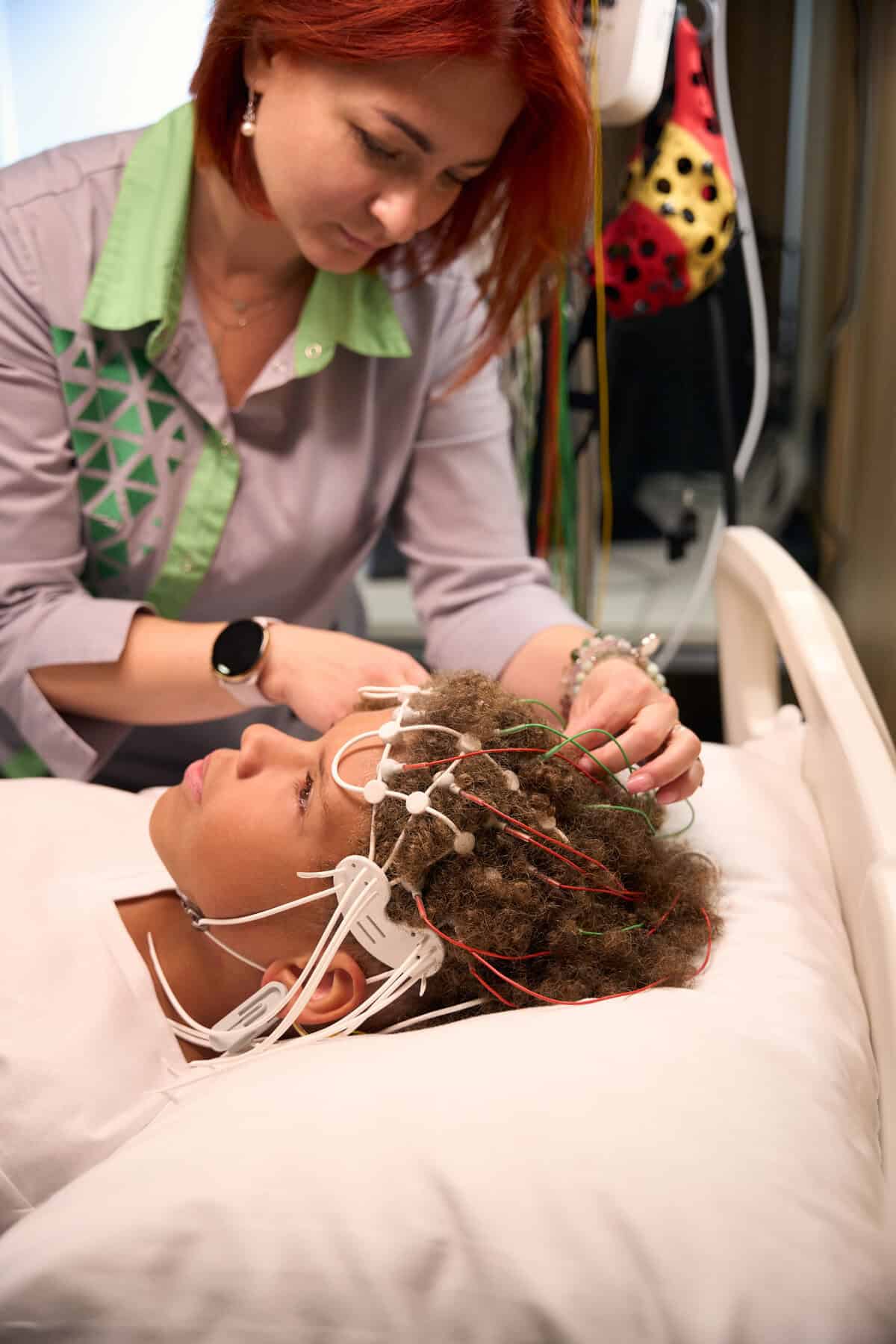
Epilepsy in children is not a one size fits all. Picture iStock


In the Middle Ages, epilepsy was blamed on demonic possession. Centuries later, the superstition may be gone, but the stigma has proved far harder to shake. And it is children who often carry the heaviest weight of misunderstanding.
Epilepsy, according to Dr Jonathan Redelinghuys, is not a one-size-fits-all condition.
“Seizures can look vastly different from child to child,” he said. “Some seizures are very subtle. A child might just stare blankly, lose awareness for a few seconds or experience slight muscle twitches. It’s not always the dramatic convulsions people expect.”
Absence seizures are often dismissed as a child zoning out, when in fact they are brief lapses in consciousness.
Rolandic epilepsy, which usually occurs during sleep, can cause facial twitching and slurred speech. Many children outgrow it, but it still requires medical attention.
Not a one-size fits all condition
Recognising these signs early can make a significant difference to diagnosis and long-term management.
“Parents often overlook early signs, mistaking them for daydreaming or clumsiness,” he said. “But if something feels off, it’s worth getting checked.”
Juvenile myoclonic epilepsy is another form of the condition, causing sudden jerky movements, particularly in the arms.
“Parents might think their child is just clumsy in the morning,” he said. “But these brief, involuntary muscle jerks are often the first sign of epilepsy.”
Infantile spasms, also known as West syndrome, are considered medical emergencies. These spasms can be subtle, such as brief head nods or sudden arm movements, but they require immediate medical intervention because they can affect brain development.
Signs to look out for
Lennox-Gastaut syndrome is another complex form of epilepsy that often begins between the ages of two and six. It is characterised by multiple seizure types, including drop attacks, where a child suddenly and involuntarily collapses, and tonic seizures, where the body stiffens.
ALSO READ: Love bombing can leave you wrecked. Here’s why
“Children with Lennox-Gastaut syndrome often also have developmental delays and behavioural challenges, which make disease management particularly challenging,” he said.
Temporal lobe epilepsy, which starts in the temporal lobe of the brain, affects memory, emotions and sensory processing.
“Seizures can cause intense feelings of déjà vu, fear or sudden confusion,” he said. “It is more common in older children and can be difficult to diagnose because symptoms may be mistaken for psychological issues.”
The causes of epilepsy are not always clear
“It can be genetic, linked to brain injuries, infections like meningitis or complications at birth. Sometimes we never find a clear cause, which can be frustrating for families. But not knowing the cause does not mean we cannot manage the condition effectively.”
Treatment is personalised.
“Our goal is to control seizures with minimal side effects,” he said. “Medication is the first line of treatment, and consistency is key. Missing doses can trigger seizures even if a child has been stable for years.”
In some cases, treatment includes dietary intervention, but Dr Redelinghuys cautioned against attempting this without professional guidance.
“The ketogenic diet has shown modest results, particularly in drug-resistant cases,” he said. “It is not a cure-all and should only be considered under strict medical supervision.”
Where medication alone is insufficient, surgical options and medical devices may be considered. These include vagus nerve stimulators and deep brain stimulators, which can help regulate abnormal brain activity and significantly reduce seizure frequency, although they do not cure epilepsy.
There is hope in research
“We are learning more about the brain every day,” he said. “New medications, improved diagnostic tools and gene-based therapies are steadily changing the landscape of epilepsy care.”
Seizures are often the first indicator that something may be wrong.
“A child might suddenly appear confused, lose awareness or report odd sensations such as strange smells or tastes,” he said. “Sometimes there are physical signs like staring spells or repetitive movements, but not always.”
Parents should watch for patterns.
“Seizures can happen without warning, but recurring episodes should always be investigated.”
Not all seizures, however, indicate epilepsy. Febrile seizures, commonly triggered by fever, are the most frequent seizure type in young children and are usually benign. Recurrent or complex episodes may still require medical assessment.
Social stigma remains one of the greatest hidden challenges. “Children with epilepsy often face stigma, bullying and anxiety,” he said.
“Parents need to work closely with schools to make sure their child’s needs are met.” Epilepsy, he said, must never define a child’s potential.
“With the right support, children with epilepsy can excel academically, socially and in sport. It’s about managing the condition, not letting it manage them.”
NOW READ: Designer babies are closer to reality than you think