It was once called a 'beer belly', but modern diets and stress are reshaping women and men's waists worldwide.
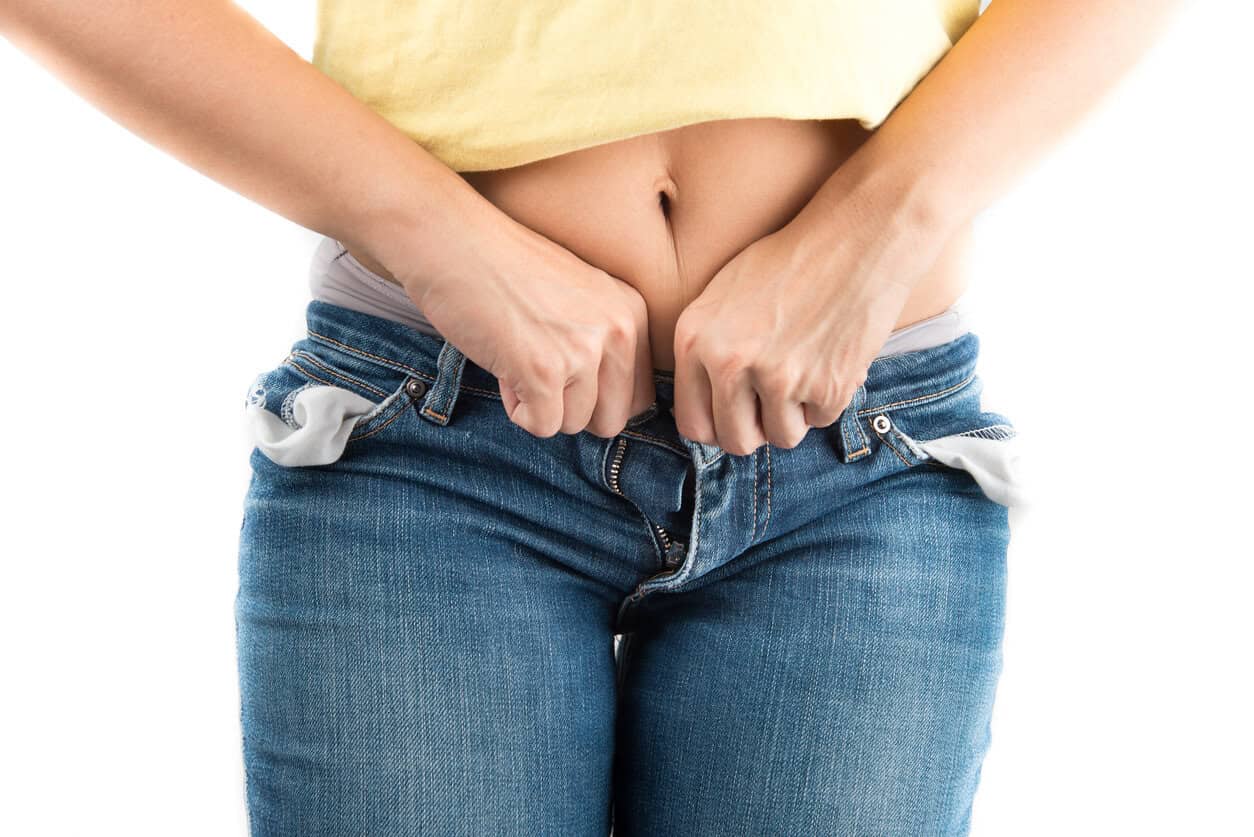
Picture Istock


For decades, the term “beer belly” was reserved almost exclusively for men.
Today, however, growing numbers of women are noticing a stubborn expansion around their midsections that seems resistant to diets, workouts, and quick fixes.
This isn’t just about aesthetics.
Health experts warn that what many people are battling is visceral fat, a dangerous form of internal fat that poses serious long-term health risks.
Unlike the soft fat you can pinch, visceral fat lies deep inside the abdomen. It wraps itself around vital organs such as the liver, pancreas, and intestines, silently interfering with how the body functions.
“Visceral fat is a silent health threat,” explains Murray Hewlett, CEO of Affinity Health.
“You might appear healthy on the outside, but still carry excess internal fat that puts pressure on your organs. It’s strongly linked to conditions like heart disease, diabetes, stroke, and even certain cancers. The encouraging part is that lifestyle changes can significantly reduce it.”
What exactly is visceral fat?

The body stores fat in two main ways. Subcutaneous fat is the soft, visible fat just beneath the skin. It tends to collect around the hips, thighs, and arms, and, while not ideal in excess, is far less harmful. Visceral fat, on the other hand, sits deep in the abdominal cavity and is metabolically active.
This means it releases hormones and inflammatory substances that disrupt normal body processes.
A small amount of visceral fat is necessary to cushion organs, but when levels climb too high, health problems begin to emerge.
Research highlighted by Harvard Health shows that excess visceral fat increases the risk of type 2 diabetes, high blood pressure, insulin resistance, heart disease, fatty liver disease, and even dementia.
How visceral fat affects your health

Visceral fat behaves almost like a rogue organ. It releases fatty acids and inflammatory molecules that can interfere with insulin, making it harder for the body to regulate blood sugar.
Over time, this can lead to insulin resistance and diabetes.
It also fuels chronic, low-grade inflammation throughout the body, which is linked to heart disease, stroke and certain cancers.
The liver often takes a direct hit, as visceral fat contributes to nonalcoholic fatty liver disease, impairing the body’s ability to process fats and sugars.
Hormonal balance is affected too, with disruptions to cortisol and leptin influencing appetite, mood and metabolism.
How to tell if you have too much visceral fat

Because visceral fat is hidden, it’s not always obvious. Waist circumference is one of the simplest indicators. For most adults, a waist measurement above 94 cm for men or 80 cm for women suggests higher levels of visceral fat.
Body shape can also offer clues, with “apple-shaped” bodies more prone to internal abdominal fat. Medical imaging, such as CT or MRI scans can measure visceral fat accurately, but these are usually only used when clinically necessary.
ALSO READ: Ashton Kutcher may have been right about daily showers
Why are women increasingly affected?

Several lifestyle factors drive visceral fat accumulation.
Diets high in processed foods, sugary drinks, refined carbohydrates, and alcohol encourage fat storage around organs.
Physical inactivity lowers calorie burn and reduces muscle mass, slowing metabolism. Chronic stress raises cortisol levels, which promotes fat storage in the abdomen.
Lack of sleep, particularly under six hours a night, has also been linked to increased visceral fat. For women, hormonal changes during menopause can further shift fat storage toward the belly, even without overall weight gain.
Expert-backed ways to reduce visceral fat

Experts agree that extreme diets are not the answer. Sustainable nutrition focused on whole foods is far more effective. Eating plenty of vegetables, fruit, whole grains, lean proteins, and healthy fats helps stabilise blood sugar and reduce inflammation.
Fibre-rich foods are especially important for fullness and gut health.
Alcohol reduction is another key step.
Excess drinking is a major contributor to abdominal fat, so limiting intake and alternating with water can make a noticeable difference.
Daily movement is one of the most powerful tools against visceral fat. Brisk walking, cycling, or swimming for 30 to 45 minutes a day helps burn deep abdominal fat.
Strength training builds muscle, boosting metabolism, while high-intensity interval training is particularly effective at targeting visceral fat.
Managing stress through mindfulness, yoga, or regular outdoor walks helps lower cortisol levels.
Quality sleep is equally essential, with seven to nine hours a night supporting hormonal balance and appetite control.
The bottom line
Visceral fat is not just a cosmetic concern. It’s a serious health risk that affects the entire body.
The positive news is that it responds well to healthy lifestyle changes and can be reduced faster than surface fat.
Even modest weight loss can significantly improve health markers. With expert guidance and consistent habits, shrinking that stubborn belly could be one of the most powerful steps women take for their long-term health.