
WATCH: Decimal Dan and the history of the Rand
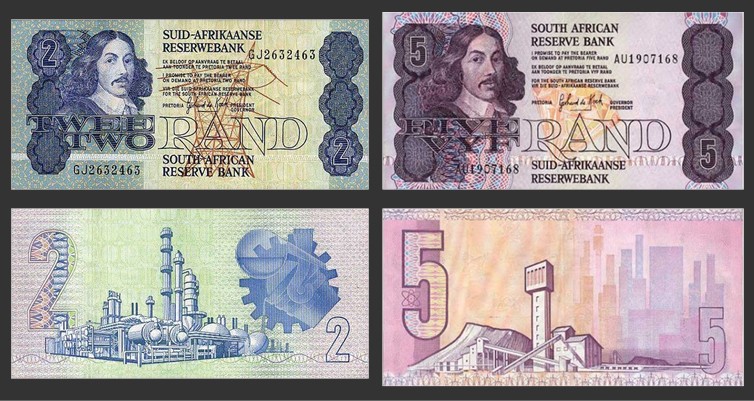
On Valentine’s Day in 1961, a cartoon figure gave South Africa a gift we still use today: the Rand.
Decimal Dan ‘the rand-cent man’ would have fitted right in on the trading floor of the Johannesburg Stock Exchange (JSE) with his suit – apart from his hat, bowtie and waistcoat with the gaudy Rand sign on.
He was the mascot that formed part of the public relations campaign to help South Africa’s 15-million population at the time with the switch from the South African Pound, which was modelled on the British Pound Sterling, to the new Rand and the decimal system with 100 cents in one Rand. The PR campaign was also run in print media and about three million flyers were printed and pinned up on public notice boards in banks, parks and post offices.
Some might remember him as Daan Desimaal in Afrikaans or Dan Dezimal in German-speaking South West Africa (Namibia today), which was part of South Africa until it gained independence in 1990.
For other South Africans, the details of the change to the new currency and decimal system were relayed in the form of a story on the radio. Some might not remember his name but his rock-and-roll jingle, which constantly blared over the radio in the era before television, which was introduced more than a decade later.
First verse:
Decimal Dan, the rand-cent man
Gives you cents for pennies whenever he can
One cent for a penny
And two for two
And two-and-a-half for a tickey
Chorus:
Notes and silver remain the same
Remember it’s just a change in their name
The Rand is named after the Witwatersrand, the high escarpment with gold deposits where Johannesburg is today and the first gold mines were located. The currency had a good start, trading at $1.40 for R1, but its value soon declined as inflation grew, and international pressure and sanctions against apartheid mounted. The U.S. Dollar surpassed the Rand in value in March 1982.

Another historic event happened in the country in 1961: South Africa became the republic it still is today. On 31 May, the Union of South Africa broke away from the British Commonwealth over the issue of apartheid. But was the switch to the Rand connected to this? No, says Professor Jannie Rossouw from the Wits Business School, who busted the myth in a September 2020 article in the Tydskrif vir Geesteswetenskappe (Journal of Social Sciences).
South Africa decided to introduce the decimal coinage system in 1956, while the country only held a referendum for white voters about becoming a republic in 1960. Botswana, Eswatini (former Swaziland) and Lesotho also introduced the decimal coinage system on 14 February 1961, while the United Kingdom only introduced the decimal system in 1971.
Before settlers from the Dutch East India Company arrived in 1652 with the Dutch Guilder, the official currency of The Netherlands at the time, South Africans used a bartering system in trading. Jan van Riebeeck was assigned to set up a trading post in Cape Town for sailors from the company who were sailing from Europe to the East, where ships stayed for an average of 26 days.
The first paper money, the Rixdollar, was introduced in 1782 after the local government failed to obtain the necessary coins for the settlement. The first notes were handwritten and contained a government stamp indicating the date of issue and its value.
When the Dutch East India Company went bankrupt and dissolved in 1799, Great Britain annexed the Cape in 1806 for the second time and introduced the Pound Sterling along with the Rixdollar. Between 1807 and 1814, the number of Rixdollar doubled and its value continued to drop until 1825 when the United Kingdom made the Pound Sterling the official currency in all its colonies and the Rixdollar slowly disappeared.
The first bank in South Africa was Lombaard in Cape Town and was founded on 23 April 1793. But the South African Reserve Bank (SARB) was only established over a century later on 30 June 1921. It issued its first banknotes on 19 April 1922 amid the unusual financial conditions in the aftermath of the First World War.
At the time, all banknotes were backed by gold reserves in the bank, which is commonly called the gold standard. But after the war, the gold price rose and became higher in the UK than in South Africa, so some made a profit by converting local banknotes into gold and selling the gold in the UK. This forced local banks to buy gold at a higher price than the banknotes they were getting in, which meant in the long term they would struggle to meet their obligations. Local banks then asked the government to release it from its obligation to turn money into gold and Parliament recommended that the SARB be set up to take on the responsibility of issuing banknotes. South Africa abandoned the gold standard in 1932 and linked the value of local currency to the Pound Sterling.
In more recent times, the SARB has lowered interest rates during difficult times such as the 2008 global financial crisis and the Covid-19 pandemic. It cut some interest rates during hard times to entice consumers to spend money to protect local businesses and the economy.
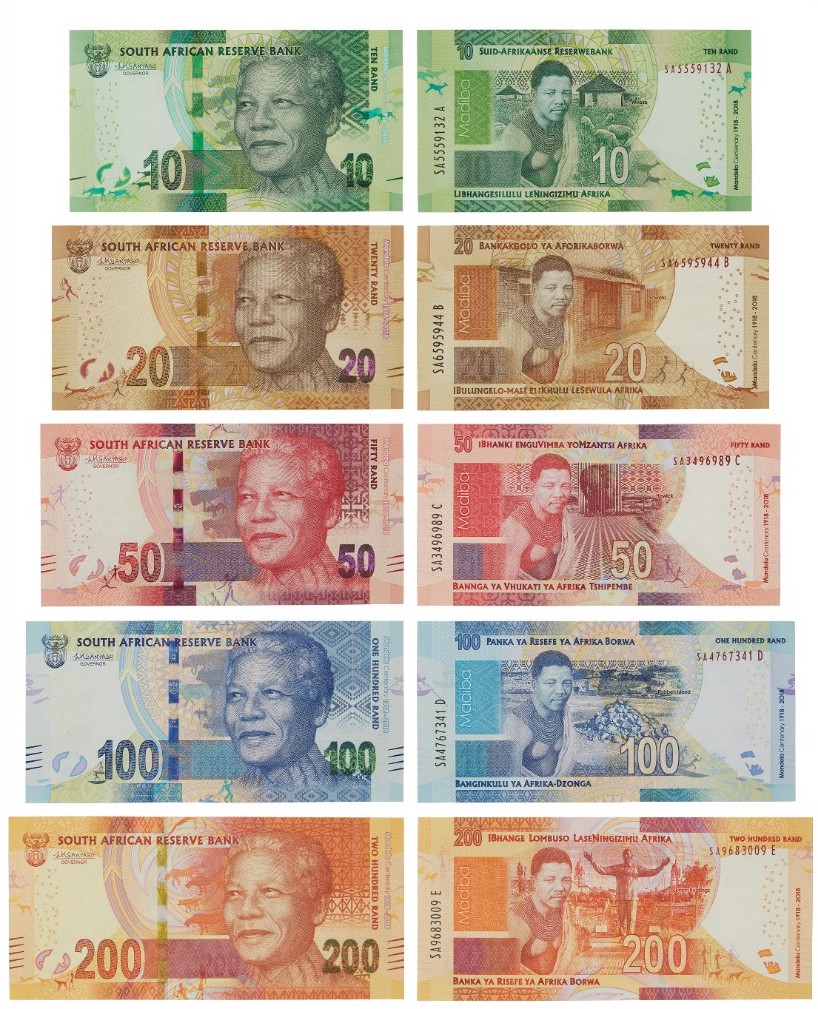
At one point, the currency was considered a global outcast, but that has changed. According to the Bank of International Settlements, the Rand is the 18th most traded currency in the world today, with a daily turnover of about R10.8 trillion ($72 billion). So, just as some Americans refer to $100 bills as the Benjamins, South Africans have Randelas.
