Komati sighs its last coal-fired breath as cleaner energy solutions gain traction
After serving the country since 1961, the coal-fired Komati Power Station has reached the end of its operational life.
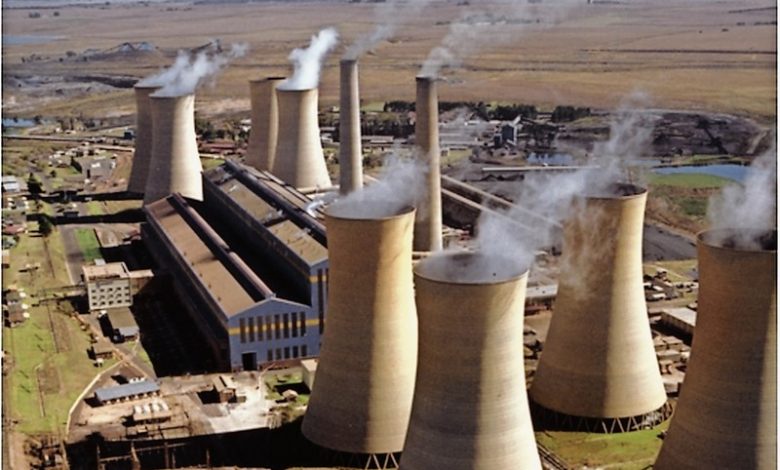
Eskom announced minutes ago that the plant has been shut down since noon.
Unit 9 was commissioned in March 1966, the last of nine units that were constructed.
According to Eskom, the shutdown will have no significant impact on the power grid, as unit 9 was only contributing 121MW before today’s swan song.
Eskom has vowed that no employee will lose his or her job with the closure, and most employees have been absorbed in other Eskom holdings.
The closure was preceded by a diligent socio-economic impact study, with extensive engagements with employees, unions, the community, councillors and affected stakeholders.
The power plant was mothballed in the 80s, with unit 9 following suit in 1989.
A decision was, however, made to return Komati to service, with the refurbishment commencing in August 2006.
Unit 9 was handed over to Eskom’s generation division in December 2008.
The closure has opened other avenues for Eskom, who’ve jumped at the Just Energy Transition Strategy, which embraces lower carbon technologies.
The remaining employees will take part in Komati’s repowering and repurposing project.
The plant will be converted into a renewable generation facility with 150MW of solar, 70MW of wind and 150MW of storage batteries, putting the site to good use.
A containerised microgrid assembly factory has already been established on-site.
The infrastructure will also house a training facility to reskill and upskill remaining employees and the community.
Eskom already partnered with the SA Renewable Energy Tech Centre and the Global Energy Alliance for People and Planet, to develop the training facility.
Funding has already been received from a developmental finance institution, with an announcement by Eskom expected soon.
The Komati Repowering and Repurposing Project is one of the largest coal-fired power station decommissioning, repowering and repurposing projects globally and will serve as a reference on how to transition fossil-fuel assets.
However, it has not all been smooth sailing, as scores of protestors have gathered outside the power plant, protesting its closure and the impact it will have on the economy of Middelburg.