
State of electricity disaster too little, too late
Newly announced disaster regulations have opened the door for independent power generators like Thos Begbie to finally contribute to the national grid, with the hope of alleviating load-shedding in the long run.
The regulations are, however, vague, and numerous civic organisations, like the Organisation Undoing Tax Abuse (OUTA), are legally challenging the implementation of the regulations, arguing that legal avenues have always been available to different state departments and enterprises to implement similar measures years ago.
AfriForum agrees, saying that the declaration of a state of disaster will open the door for other underperforming government departments to follow suit, by offering broad and sweeping powers to state departments to circumvent procurement and government spending checks and balances.
The regulations give government and COGTA Minister Nkosazana Dlamini-Zuma, far-reaching powers to exempt critical infrastructure like water treatment plants, hospitals and police stations from load-shedding.
The regulations also allow new and independent power generators to rush past environmental laws, and avail finances through emergency procurement channels.
With the regulations in place, any cabinet member can now issue directives within their mandate.
Ministers can now exempt critical infrastructure under their portfolios without increasing the risk of higher-stage load-shedding.
Red tape around independent and new power generation will be scrapped to remove impediments in the development of construction of new generating infrastructure and capacity.
Environmental authorisations will also be streamlined, while enhancements to existing infrastructure will also be expedited.
The government will also now be allowed to facilitate the sale of electricity generated by individuals, and the state of private groups, through licensing them.
Eskom can now also import electricity.
Access to servitudes will also be allowed by means of land expropriation.
The Auditor General will oversee emergency procurement and spending in real time.
Accounting officers will have to ensure that procurement and spending remain corruption free.
The vaguest of the regulations include enabling of government to take “any measures” to prevent an escalation of the national disaster and to facilitate international assistance.
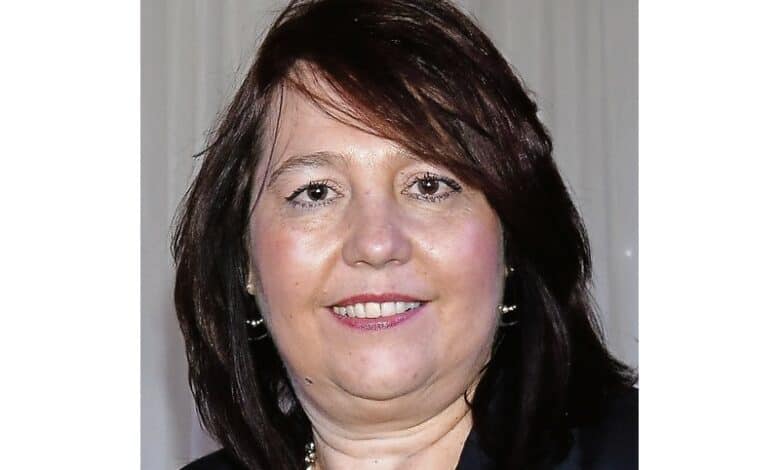
The Middelburg Chamber of Commerce and Industry CEO, Ms Anna-Marth Ott, is echoing OUTA and AfriForum’s sentiments, saying governments, whether national, provincial or local, continue to fail their constituencies.
“It is every government’s responsibility to ensure an enabling environment for economic development and growth of their communities, and presently they’re not.”
She says all spheres of government have the same Achilles’ heel, which is ignoring problems, hoping they’d solve themselves, and when it doesn’t happen, they want to then control and manipulate citizens and businesses to bail them out.
“The government cannot continue collecting taxes to fund defunct departments and institutions like Eskom, the disaster has been brewing for decades, you can’t fix it overnight by sidestepping checks and balances which these dysfunctional departments have been sidestepping in any way.”
Ms Ott says a state of disaster “will not ensure steady electricity, security, infrastructure or communication, instead, it will create an environment of corruption and looting”.
The chamber will be meeting with the municipality on March 8 to discuss its gripes about the ongoing situation.
“The government has failed normal South Africans and now wants to manipulate the narrative by declaring a state of disaster while having ignored the crisis for decades.”