Municipality ‘mismanaged heritage village, left it neglected, looted’
“It is a public interest matter, and land reform cannot be used to destroy heritage.”
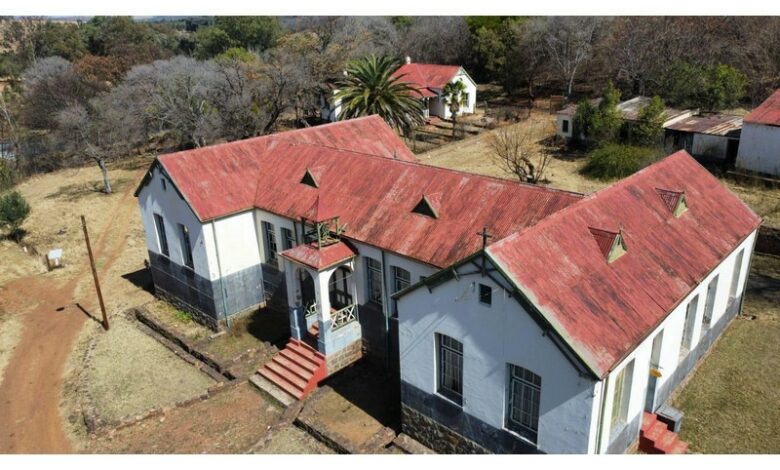
Local attorney Hilmar Kruger, in a strongly worded letter, blames the Steve Tshwete Local Municipality of ‘forsaking their constitutional and statutory public responsibility towards Botshabelo Heritage Village, the land, and the Middelburg broader community’.
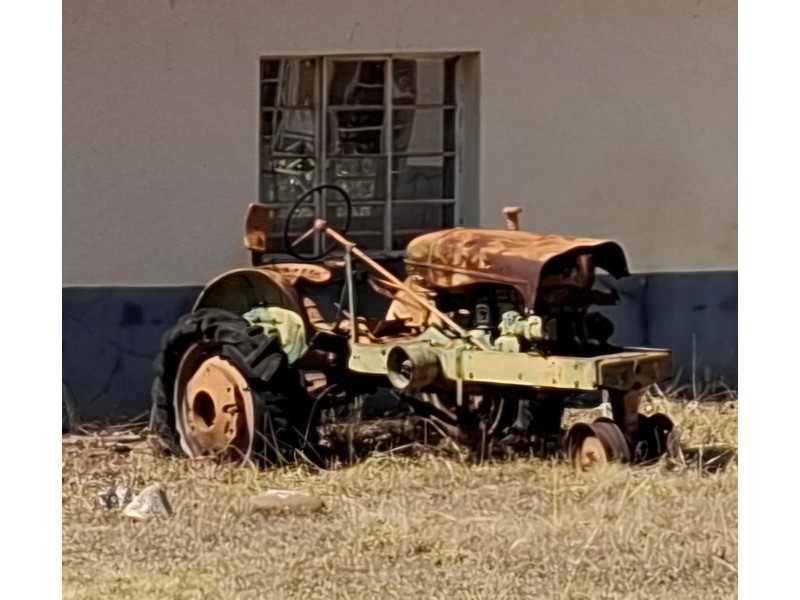
He said the Heritage Village had been neglected, looted, mismanaged, and subjected to criminality.
“Botshabelo Heritage Village is not ordinary restitution land. It is a public heritage asset that was historically integrated into the Middelburg Community, formally developed and managed by the previous Middelburg municipality and later by your municipality as a community-driven heritage village.”
According to his letter, the successful land claim by the Botshabelo Community Development Trust Uitvlugt 320 JS, did not extinguish the municipality’s public law obligations attached to the land.
“Land reform cannot be used to destroy heritage as you have possibly done. Heritage is a public interest matter, not a private enrichment scheme. In terms of the National Heritage Resources Act 25 of 1999, heritage resources are held in Trust for the people of South Africa. Management must be competent, accountable, and sustainable.
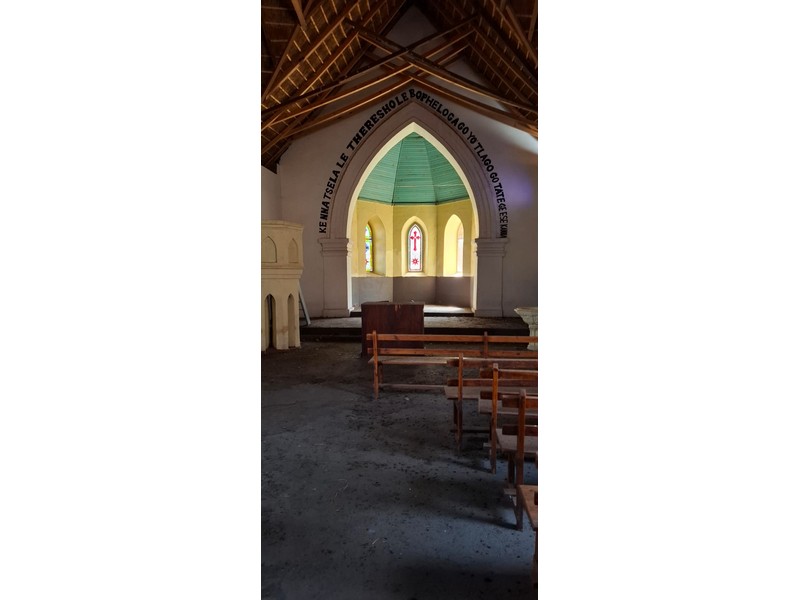
“Land restitution restores rights in land, not the right to loot heritage assets, collapse tourism value, exclude the broader community, and evade oversight. The Constitution Court has repeatedly held that land reform must align with public interest and legality.”
Kruger said it appears that land claim beneficiaries/trustees have treated the Botshabelo Heritage Village as private property.
“A township establishment of approximately 1 000 residential erven (500 square metres, each), one business stand, one combined school, and 26 parks have been approved by the Steve Tshwete Local Municipality, allegedly to resettle formally displaced Uitvlugt families.
“Botshabelo served as a place of refuge for converts from the Sekhukhuni polity who, by adopting Christianity in defiance of ancestral customs, required protection under missionary authority rather than customary rule.
“Your municipality, since its formation, has failed to exercise its custodial and oversight power over the heritage precinct, contrary to its constitutional and statutory duties.”
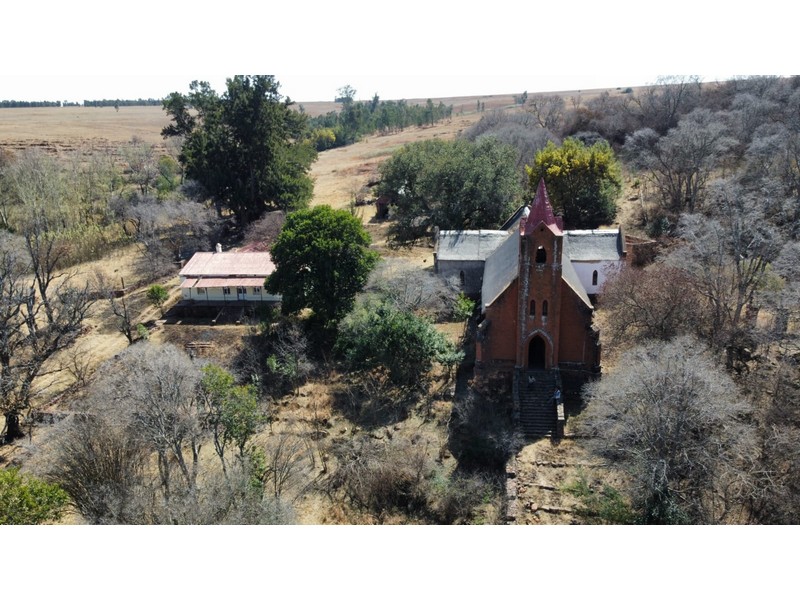
According to Kruger, a heritage village cannot be isolated, landlocked, or turned into a private enclave serving 200-plus members.
“This is spatial injustice. The heritage village has been effectively landlocked, access and public safety compromised.”
He demanded that Botshabelo remain accessible to the public and be integrated into the broader town of Middelburg.
“The land use must protect environmental, cultural, and heritage resources and avoid degradation of irreplaceable assets. For the municipality to allow 1 000 stands, the destruction of hiking trails, the loss of the cultural landscape, and township development choking access are directly inconsistent with the Municipal Spatial Development Framework.
“Approving a township that cuts off a heritage village, creates a danger point, and undermines tourism and public access is prima facie irrational and reviewable.”
Kruger said the municipality has historically exercised control over the Heritage Village, expended public funds on its maintenance, and constructed public infrastructure, providing access thereto. The municipality could not lawfully abandon this responsibility. Its subsequent failure to act constituted an unlawful application of an existing statutory and constitutional duty, which directly enabled the degradation of the heritage resource.
“Structures older than 60 years within Botshabelo Heritage Village enjoy automatic statutory protection. The Steve Tshwete Local Municipality, as an organ of state exercising land use and planning powers, bears a positive constitutional and statutory duty to identify, protect, and regulate heritage resources within its jurisdiction.”
He asks the municipality to clarify whether any heritage impact assessment, conservation plan, or buffer zone determination was conducted, and why the municipality permitted the township layout to be positioned between the heritage village and the main access road, thereby:
• Isolating the heritage site;
• Compromising public access;
• Creating safety risks for visitors and tourists; and
• Effectively rendering the heritage village landlocked and vulnerable.
“Also advise whether STLM considered the long-term public interest of Middelburg residents, tourism, education, and heritage preservation when approving the township.”
• A comment was asked from the Steve Tshwete Local Municipality, with no reply.
In the letter, Kruger asked what corrective measures the municipality intends to take to restore lawful custodianship, ensure public access and safety, and prevent further erosion of the heritage resource.
“In the light of the above, I hereby demand that STLM, within ten (10) days of receipt of this letter, take the following actions:
• Exercise immediate custodial authority over Botshabelo Heritage Village to ensure lawful protection and management;
• Intervene to secure safe, direct, and controlled public access to the Heritage Village;
•Review and rectify the township approval, including the creation of a protected access corridor so that the Heritage Village is no longer landlocked or compromised;
• Ensure compliance with Heritage and Planning Laws, including automatic Statutory Protection under Section 34 of the NHRA;
• Provide a written plan within 10 days detailing how STLM intends to exercise its custodial functions, prevent further degradation, and manage the Heritage Village in the public interest.
Following the municipality’s failure to act and protect the Botshabelo Heritage Village, he caused copies of the demand to be served on:
• The Mpumalanga Provincial Heritage Authorities;
• The South African Heritage Resources Agency;
• Members of the Executive Council: Cooperative Governance and Traditional Affairs, Mpumalanga;
• Members of the Executive Council: Economic Development, Environmental and Tourism, Mpumalanga;
• The Land Claims Commission;
• The Department of Agriculture, Land Reform and Rural Development;
• The Public Protector.