
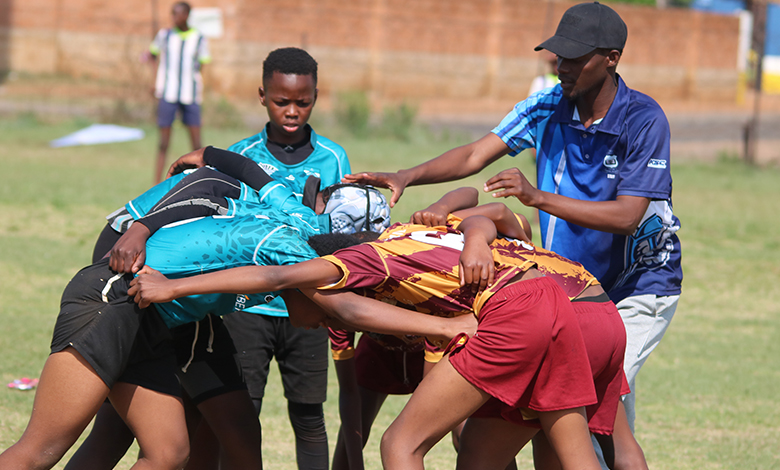
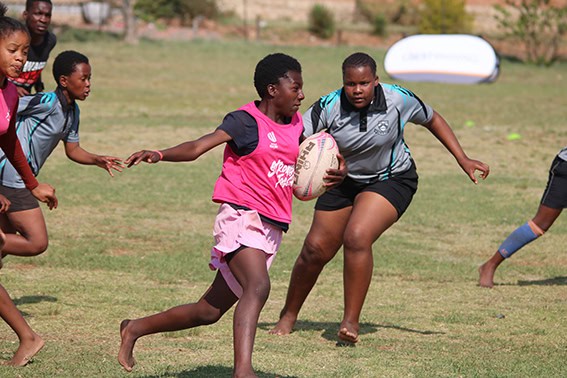
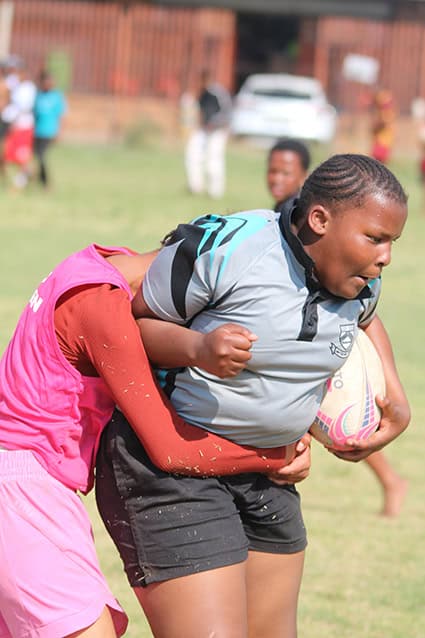
On the rock-hard grass fields of Mhluzi, where soccer balls were usually the only things kicked around, 13-year-old boys and girls tackled each other with bone-jarring intensity.
Siya Kolisi, Rassie Erasmus, the world champions and the impi manifested right before spectators’ eyes.
Kaizer Chiefs, Swallows and Pirates were forgotten.
Happy Jele, Teko Modise and Steven Pienaar were forgotten.
It was all about the AmaBokoBoko – Siya Kolisi, Ox Nché and Cheslin Kolbe.
Scrums were formed, lineouts contested and tries scored.
It felt like a miracle.
Only those who grew up in the 1970s and 1980s would truly understand.
Back then, a rugby ball in Mhluzi was as out of place as samoosas at a braai.
People played soccer and boxed.
Rugby was a sport alien to the ‘black township’.
Township sevens tournament brings new era
Then a rugby sevens tournament was organised in Mhluzi, involving the Pumas and Middelburg Junior Rugby.
On the morning the rugby jerseys were handed out to each school team, there was a sense of unprecedented pride.
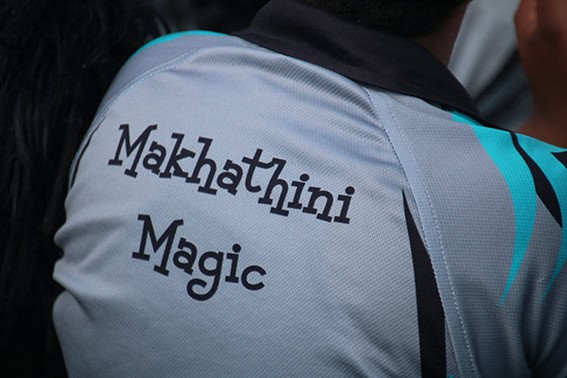
Jakes van der Merwe of the Kwaggas, who does so much for junior sport in the town, ensured that barefoot teams like Makhathini, Thushanang, Eastdene, Elusindisweni and Manyano competed against one another.
The absence of rugby posts and a proper rugby field did nothing to dampen the enthusiasm.
The most remarkable sight was the spectators.
When a grandmother tells the referee how to blow his whistle from her camping chair, you know she regularly watches the Boks’ matches.
When you hear ‘Siyaaa’, you know who their new sports hero is.
Lessons for South African soccer
Newly appointed Bafana Bafana coach Pitso Mosimane was right when he said soccer should learn from the Boks and South African rugby.
Good moves and victories were celebrated with exuberant singing and dancing.
These were not traditional spectators.
A new generation of spectators celebrated in ‘their’ language.
It was a language that the Van der Merwes and Van den Berghs present might not understand.
However, they did not need to understand it.
There was one language everyone understood that day: rugby.
Thank you, Siya.
Thank you, Rassie.