
Sign language training breaks barriers in Mhluzi
Following an interactive community workshop, organisers look to establish ongoing practice groups and long-term training to foster local inclusion.
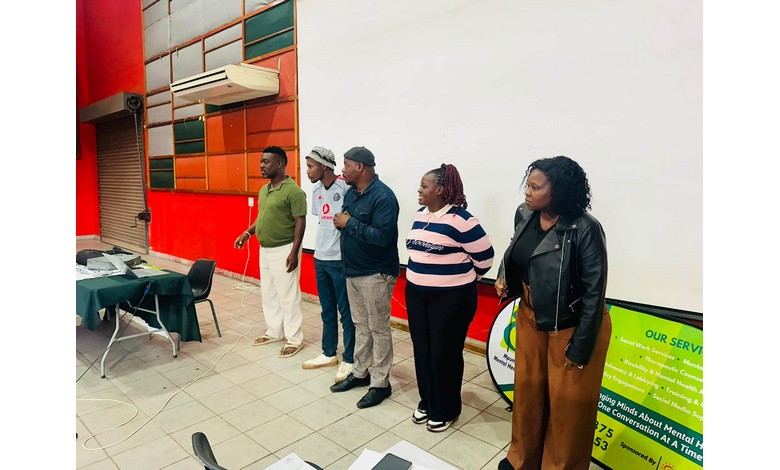
The Mpumalanga Mental Health Society (MMHS) is breaking down communication barriers for deaf people by offering free South African Sign Language (SASL) training in Mhluzi Ext 7.
Community members attended a four-hour training session at Adelaide Tambo Community Hall on October 6.
The initiative aimed to promote inclusion and improve communication between deaf people and the wider community.
The session was organised by MMHS in partnership with DeafSA, which provided an interpreter.
Promoting inclusion and mental health
According to MMHS provincial director Thandeka Nhlapo, the training introduced participants to South African Sign Language and emphasised the importance of accessible communication and the inclusion of deaf people in community life.
Nhlapo said the initiative was inspired by the challenges deaf people face when accessing services and taking part in everyday activities.
“Everyone should be able to explain their needs, ask questions, understand information and participate in decisions that affect their lives. When communication is inaccessible, these opportunities can be limited,” she said.
“Communication barriers can contribute to frustration, isolation and difficulty accessing support.”
Nhlapo added that being understood, respected and included was important for people’s well-being, particularly the mental health of deaf people.
The training introduced participants to the basics of SASL, helped them develop practical communication skills and encouraged respectful interaction with deaf people.
Nhlapo stressed that the October session was only a starting point and that participants would need further training and regular practice to become more confident and competent in SASL.
Building on previous training
The initiative follows sign language training held on September 10 and 11, with support from the Department of Health.
Nhlapo stated that the interest shown during those sessions encouraged MMHS to create further learning opportunities and strengthen its partnership with DeafSA.
“The need for accessible communication does not end when an awareness month concludes,” Nhlapo added.
MMHS plans to stay in contact with interested participants through a SASL learning group.
“The group will allow members to share learning materials, practise regularly and plan future training sessions.”
Plans for six-month programme
Nhlapo said that the organisation is also considering introducing a structured six-month SASL learning programme next year.
“The proposed programme is still being developed, with details such as the training provider, dates, fees, assessment requirements and certification arrangements yet to be confirmed,” Nhlapo said.
“Deaf people should not carry the burden of overcoming communication barriers alone.”
She explained that MMHS wanted deaf people to be involved in planning future training and identifying the communication needs of the community.
“Through continued training and partnership, we can build a community where more people are understood, valued and able to participate.”


