MEC steps in as Rabie Ridge battles illegal dumping crisis
After mounting community pressure, Gauteng’s Environment MEC visited Rabie Ridge, pledging cleanup resources and jobs to tackle growing dumping hotspots.
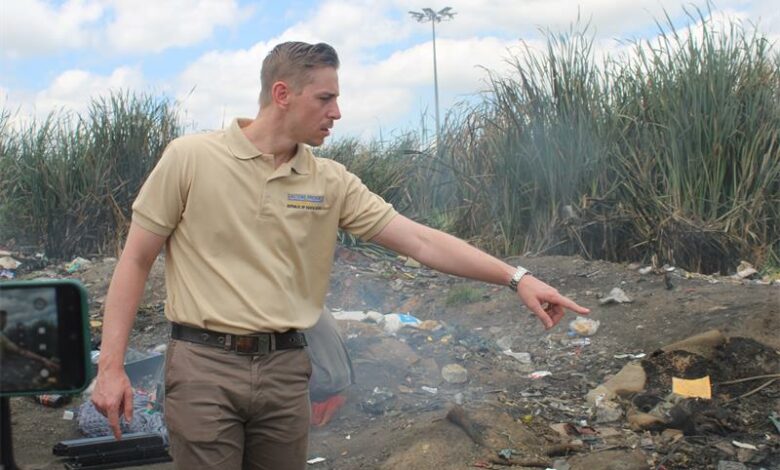
Gauteng MEC for Environment, Ewan Botha, visited Rabie Ridge on January 13, following a community appeal escalated by Kabelo Pitso of the City of Johannesburg, as residents raised alarm over worsening environmental conditions in the area.
The visit came amid growing frustration from residents over the rapid spread of illegal dumping sites, open burning of waste, and land neglect, with dumping reportedly increasing week by week.
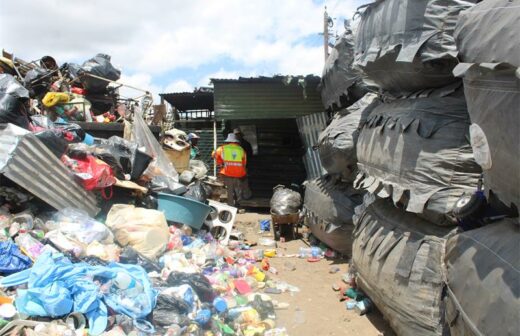
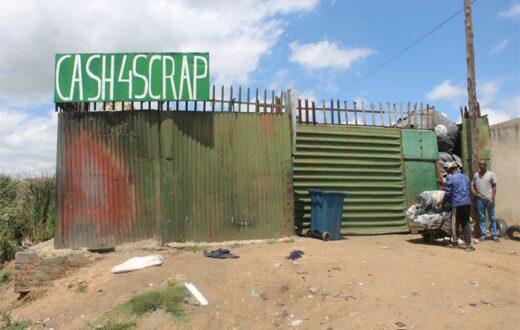
During the oversight visit, the MEC inspected several affected areas, including a wetland that has been turned into a dumping ground, neglected open land, and an illegal recycling operation that was ordered to shut down immediately.
Read more: MEC closes scrap yard amid crack down on Illegal dumping in Rabie Ridge
The MEC agreed that the conditions observed pose serious health, environmental, and safety risks to residents. He also acknowledged the complexity of managing dumping in sensitive areas such as wetlands.
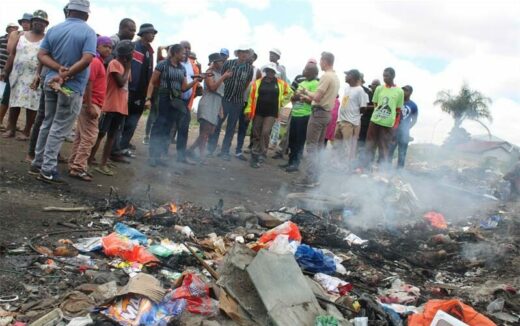
“Some of this dumping is happening in wetlands, and that makes the situation very difficult… If we want to fix this properly, we must first establish land ownership, conduct soil testing with [the Department of] Agriculture, and rehabilitate the land. Once it is cleaned, it must be handed back to the community to take ownership.”
Botha encouraged residents to view land rehabilitation as an opportunity for community development and small-scale economic activity. “If people take ownership, you can use the land productively, grow food, feed families, and support community needs. But that ownership must start with protecting the environment.”
During the walkabout, the MEC also observed individuals burning electrical cables for resale at scrap yards, an activity he warned poses severe health and environmental risks. A nearby scrapyard was found to be operating in contravention of environmental regulations and was ordered to close with immediate effect.
Also read: MEC uncovers irregularities during surprise visit to Midrand licensing centre
To address the crisis, Botha announced that the department would deploy resources for at least 100 Expanded Public Works Programme (EPWP) workers to support clean-up and rehabilitation efforts in Rabie Ridge.
The initiative is expected to create employment opportunities while improving environmental conditions. It will also provide skills development and income support, particularly for unemployed residents.
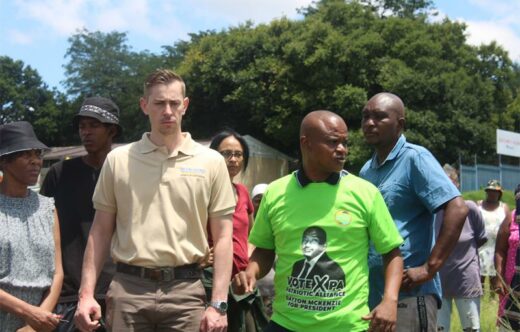
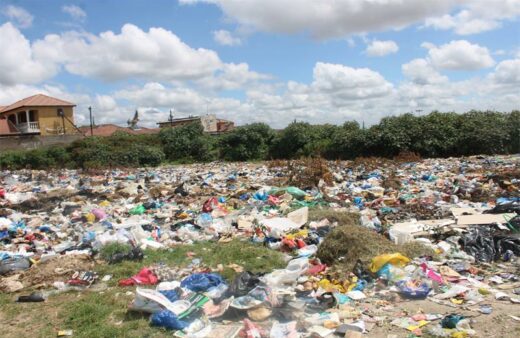
Gauteng Department of Agriculture and Rural Development chief director of environment Loyiso Mkwana stressed that while government support was critical, long-term success depended on community involvement.
“We will clear these dumping sites, but it will be a one-off. If the community does not buy into it, [it will not last],” said Mkwana. The government cannot work alone. This is the community’s environment; they are the ones exposed to hazardous waste, used needles, and dangerous materials…”
Mkwana explained that the EPWP programme would follow national guidelines, with 60% women, 45% youth, and 2% people with disabilities included. “They [the community] won’t just clean one spot. They will cover the whole vicinity, but it must be a community-led campaign, with local leadership at the forefront,” he added.
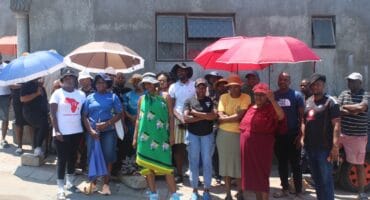
Community leader George Henry said illegal dumping had been a persistent challenge in Rabie Ridge for several years, but praised the visit as a turning point. “Our local councillor has been advocating for resources, and this visit is the result of sustained communication and the community refusing to let the area decline,” said Henry.
Also read: MEC for Roads and Transport commits to concluding roads projects on time and in budget
He identified major dumping pressure points along main arterial roads and vacant land bordering residential areas, including Tuinfluiter Street, the corner of Tarental Street, Jay Crescent behind the Rabie Ridge taxi rank, and other open plots.
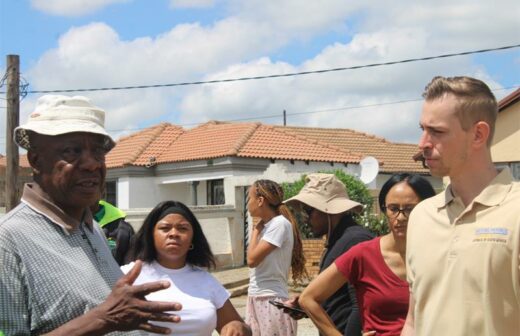
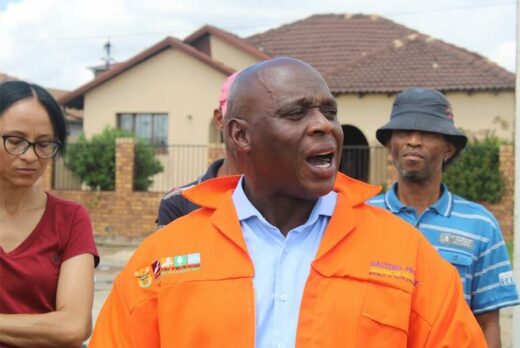
“We mostly see construction rubble from home renovations and household waste. By understanding the type of waste, we can provide better solutions, such as more skip bins for heavy materials,” Henry explained.
He added that dumping often spiked during month-end periods when residents moved or cleared homes, but said increased community patrols and the EPWP presence were expected to significantly reduce the problem.
“Illegal dumping affects our health and property values, but it has also united the community. People are no longer just complaining; they are organising clean-ups and protecting their environment,” he said.
Residents welcomed the MEC’s announcement of the EPWP programme, describing it as a ‘game-changer’ that will bring much-needed capacity to maintain cleanliness in the area.
The visit concluded with a community debrief, where Botha reminded residents that environmental protection was a shared responsibility between the government and the community.
Follow us on our Whatsapp channel, Facebook, X, Instagram and TikTok for the latest updates and inspiration!