
Mpumalanga municipalities and Eskom debt talks delayed
The meeting would have began talks on the Distribution Agency Agreement that supports structures of electricity operations.
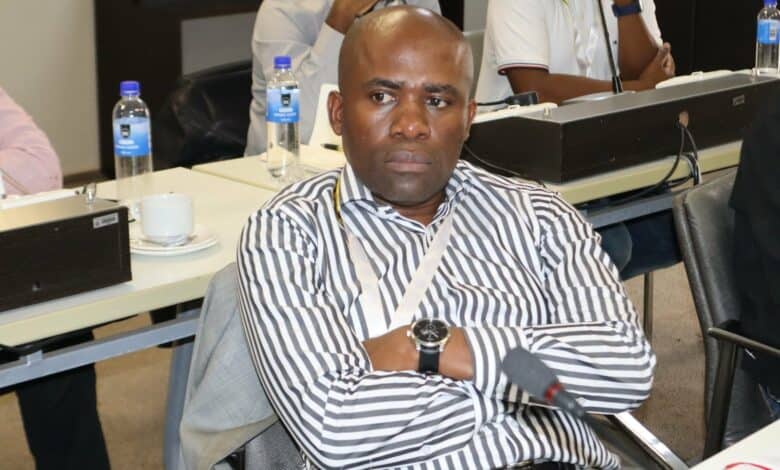
A meeting with Eskom, scheduled for April 8 to discuss the Distribution Agency Agreement (DAA) for five indebted local municipalities, did not take place as planned.
The spokesperson for the Department of Co-operative Governance, Human Settlements and Traditional Affairs (Coghsta), Freddy Ngobe, said this was due to competing and pressing commitments involving representatives from Coghsta, the Mpumalanga Provincial Treasury, the three districts and the South African Local Government Association.
At a Premier’s Co-ordinating Forum sitting on March 30, it was agreed that parties involved would meet to address the Eskom debt of Govan Mbeki, Lekwa, Emalahleni, City of Mbombela and Thaba Chweu local municipalities.
The DAA is designed to support structures in the management of their electricity operations, revenue collection and payment performance.
ALSO READ: Indebted Mpumalanga municipalities to enter agreement with Eskom
Ngobe said Coghsta is still focused on reinforcing the strategies currently in place to enhance revenue collection and find alternative revenue sources.
These include:
• Revenue enhancement committees to provide support, guidance and assistance in finding alternative revenue sources.
• Government debt forum, co-ordinated by the provincial treasury, to assist municipalities with revenue collection.
• Panel of debt collectors to allow municipalities to tap into expertise to boost the collection of old debt.
• Municipal Property Rate Act 6 of 2004 implementation to assist municipalities to collect additional revenue from non-exchange services.
According to Ngobe, the Eskom debt problem started many years ago, with many contributing factors resulting in the current situation.
“Such factors include Eskom charging different tariffs for peak and off-peak seasons. This alone results in under-recovery of costs, and ultimately low electricity revenue. Moreover, theft of electricity and illegal connections, as well as aged infrastructure, vandalism and cable theft result in high repair and maintenance costs.”
ALSO READ: 2025 Mpumalanga matric results show steady growth
Ngobe noted that the high interest charged by Eskom is also contributing to the growth of the Eskom debt.
“The growth is way higher than the payments made by municipalities, therefore no matter how much municipalities try to catch up, it is highly impossible to offset the debt growth.”
He said Coghsta’s role when municipalities fail to honour their debt is to identify areas that result in the failure.
This includes reinforcement of existing support; negotiating with Eskom for lenient interest rates and affordable debt repayment plans; assisting municipalities to identify major cost drivers and apply cost containment measures; and facilitating participation in the debt relief programme.