
Bushbuckridge cultural dancers preserve Tsonga heritage
The revival of the traditional dance is helping preserve Tsonga culture while creating new opportunities for local youth.
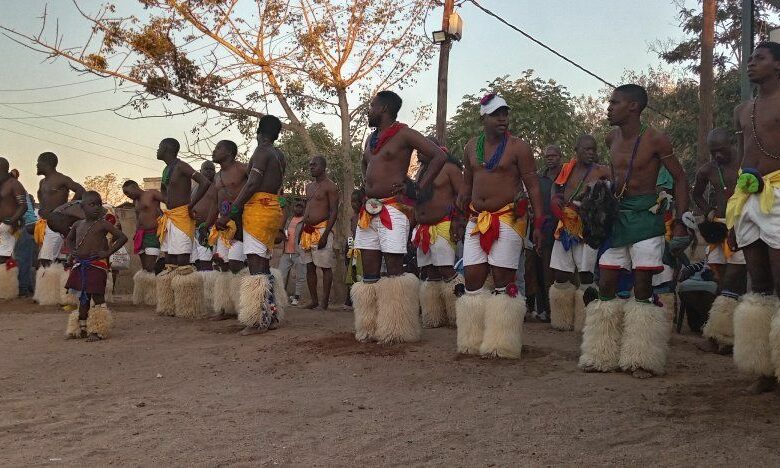
The traditional Muchongolo dance, long regarded as a symbol of Tsonga cultural heritage, is experiencing a revival in Bushbuckridge and Hazyview, where it is not only entertaining crowds but also creating economic opportunities for local performers and businesses.
Muchongolo is one of the oldest traditional dances practiced by the Tsonga people. It is believed to have originated several decades ago and became particularly popular during the 1970s.
Historically, it was performed at community gatherings, cultural celebrations, weddings, harvest festivals, and other important social events.
ALSO READ: Shabalala celebrates rich cultural heritage
Characterised by energetic footwork, rhythmic drumming, traditional attire and co-ordinated group movements, Muchongolo has remained an important expression of Tsonga identity and pride.
Today, the dance has evolved beyond cultural celebration and is increasingly becoming a source of income for many.
Businesses are booking Muchongolo groups to perform at their establishments, attracting customers who come to watch the vibrant displays and, in turn, support local enterprises.
The groups are also in demand at weddings, birthday celebrations, housewarmings and community events.
One dancer benefiting from this, Tinyiko Rikhotso, told Lowvelder that he has spent decades performing Muchongolo purely for the love of his culture.
“For many years we danced without receiving any money, because we simply enjoyed preserving our culture and entertaining people.
However, over the past two years, things have changed. We are now earning money for ourselves and our group, and this helps us to support our families,” said Rikhotso.
ALSO READ: Hands-on planting initiative connects tourists with local traditions in Shabalala near Hazyview
He added that the dance attracts audiences of all ages. “We have noticed that both young and old people enjoy watching us perform. We are grateful that our culture is being embraced while also providing us with an income.”
Ntsaki Siwele, who has been beating the drum for Muchongolo performances for many years, echoed these sentiments. “I have been involved in Muchongolo for years without earning anything.
Today, every performance brings income. Many young people who are unemployed are now earning money through the dance. It keeps them busy and away from the streets and negative influences,” he said.
Community members believe the revival of Muchongolo demonstrates how cultural heritage can be preserved while simultaneously contributing to local economic development.
As the popularity of the dance continues to grow, performers hope it will inspire younger generations to embrace and preserve their cultural roots while creating sustainable opportunities for themselves.