
Significant drop in number of rhino poached since start of Covid-19 lockdown
14 rhino were poached across the country during April 2020, compared to 46 in March.
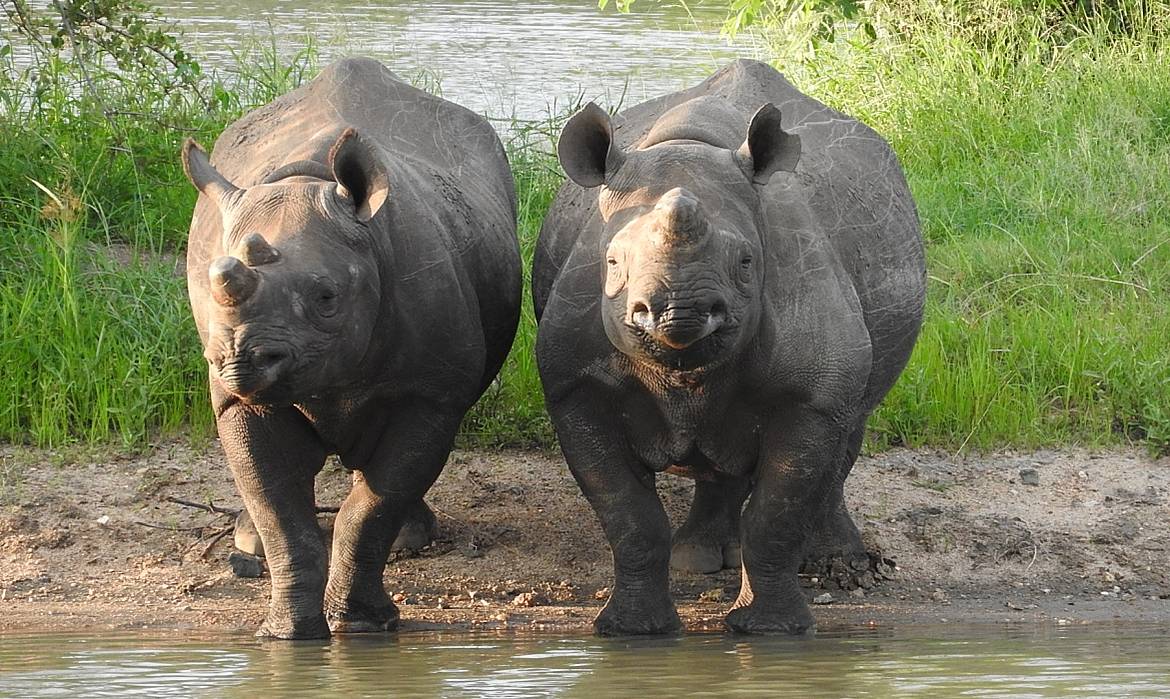
The Minister of Environment, Forestry and Fisheries, Barbara Creecy has announced that South Africa has experienced a significant decline in rhino poaching since the start of lockdown.
April saw a marked decrease countrywide, she said, with the fewest rhino poached in the Kruger National Park in a single month since September 2013.
“This could be attributed to the reduction in poaching activities due to the disruption of the supply chain resulting from the national travel restrictions, including limitations placed on movement across the country,” explained Minister Creecy.
Fourteen rhino were poached across the country during April, the first month of the national Covid-19 lockdown, compared with 46 in March.
“We believe that the closure of our borders and the complete shutdown of international air travel removed the key way that syndicates use to supply horn to transit and consumer countries,” she said.
In the Kruger National Park five rhino were poached during April 2020, compared to 46 in April 2019. In KwaZulu-Natal six rhino were poached, two were killed in Mpumalanga and one in North West Province. In April 2019, 61 rhino were poached nationwide.
Significantly, not a single rhino has been lost in the Intensive Protection Zone of the Kruger National Park since the start of April. This has not happened in this particular part of the Greater Kruger area in a single month since 2007.
The sharp decrease in rhino poaching in the Kruger National Park last month comes after the park recorded that the number of births had by the end of 2019 equalled the combined natural and poaching deaths for the first time in five years. Despite the lockdown, incursions into the park by rhino poachers have continued.
There has been an increase in the effectiveness of the K9 unit using free running hounds supported by rapid reaction through air support and improved mobility. Minister Creecy applauded rangers who continue to apply technology to support early detection and follow-up operations.
Between January and April 2020, 33 poachers were arrested and 20 heavy calibre firearms confiscated.
Following an intelligence-driven operation, police arrested three suspects in Limpopo after they were found in possession of six rhino horn. The two men and a woman have been changed with trafficking of rhino horn. During the arrest, six rhino horn, a sizeable sum of cash, three vehicles and a number of hunting knives were confiscated.
Pertaining to bushmeat poaching, rangers continue to remove between 80 and 150 snares from the park, especially the western boundary. It should be noted, the minister added, that poaching for bushmeat in the Kruger National Park has not increased because of the lockdown.
Because of the nationwide lockdown, SANParks has closed park entrance gates to tourists. This has also had an impact on poaching as poachers are now unable to use drive-in and drop-off tactics they had previously utilised to kill rhino.
“The dedication of essential staff, particularly our rangers, anti-poaching and canine (K9) teams who remain on high alert in all our national parks during the Covid-19 national lockdown, is to be commended,” said the minister.
Notice: Coronavirus reporting at Caxton Local Media aims to combat fake news
Dear reader,
As your local news provider, we have the duty of keeping you factually informed on Covid-19 developments. As you may have noticed, mis- and disinformation (also known as “fake news”) is circulating online. Caxton Local Media is determined to filter through the masses of information doing the rounds and to separate truth from untruth in order to keep you adequately informed. Local newsrooms follow a strict pre-publication fact-checking protocol. A national task team has been established to assist in bringing you credible news reports on Covid-19.
Readers with any comments or queries may contact National Group Editor Irma Green (irma@caxton.co.za) or Legal Adviser Helene Eloff (helene@caxton.co.za).
Read original story on southcoastherald.co.za

