
Black Friday 2022: Expect bargains, but beware of fraudsters and scammers
Consumers looking for a bargain in these tight times are preparing for the big sales of November 25 – but experts warn that caution is needed.
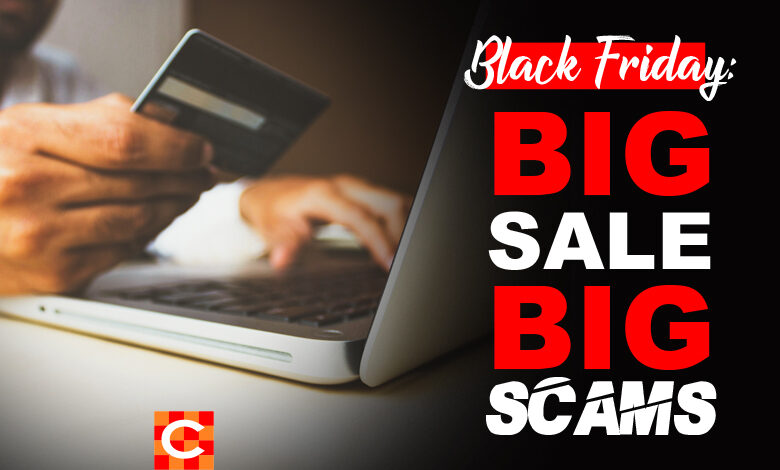
South Africa first caught onto Black Friday in 2014 and despite a subdued 2020 as a result of the Covid-19 pandemic, the growth in popularity of the global shopping phenomenon in the country has been staggering.
Black Friday traditionally takes place on the fourth Friday in November and heralds the festive season buying period. Some retailers extend it for three days, into Cyber Monday.
However, the origins of Black Friday are somewhat controversial, as this Caxton article in 2017 points out.
Read more here: The dark history of Black Friday
Last year (November 26), despite some aspects of the national lockdown still in place in South Africa, a 120% increase in electronics purchases alone was reported. PayFast, a payment gateway, saw an increase of 34% in transactions, while according to FNB, its cardholders spent R2.5b on the day. Last year, data released by Standard Bank showed an increase of over 100% in contactless card payments across the bank’s merchant partners compared to 2020. At Absa, it was the same – contactless payments increased by over 110% year-on-year, online shopping was up almost 30% and digital payments rose by over 50%.
Despite the perception that Black Friday offers real savings to cash-strapped South Africans, there are questions in some circles about this.
Dr Farai Nyika from Mancosa’s department of economics says there needs to be a certain level of scepticism about the concept of Black Friday.
“Many retailers sell an item for, say, R1 400 with a sign saying the price has been reduced by 70%, so the original price is R2 000. However, if the consumer were to track the price of the same item throughout the year, they would find that the original price of the item in June or July was R1 400. Statistics show that retailers often inflate the prices of products in the months leading up to Black Friday to give consumers a false sense of savings.”
While Black Friday is seen as the beginning of the commercial side of the festive season, South Africans should remember fraudsters up their activity at this time of the year, taking advantage of consumers’ desire to find ‘the perfect deal’.
This is according to Manie van Schalkwyk, the CEO of the Southern African Fraud Prevention Service (SAFPS).
“Particular attention needs to be given to online payments as these can become low-hanging fruits for fraudsters. PayFast reported last year the average basket price was R1 208 per transaction. This looks likely to increase this year as many consumers will want to avoid the in-store rush on Black Friday.”
Bidvest Insurance offers these safety tips to consumers on its website to avoid becoming victims of cybercrime on Black Friday.
- Strong passwords: It’s best to create a password that is between 15-20 characters long, contains a mix of upper and lowercase letters, and includes numbers or symbols.
- Check URL: Check for spelling mistakes in the URL (web address) or anything that might seem out of the ordinary, such as non-functioning or odd-looking sites.
- Beware of phishing emails: Be extra cautious of emails offering cash prizes or last-minute deals. Make sure to check the sender’s details and never click on any link coming from unknown senders.
- Avoid deals too good to be true: If in doubt, contact the retailer directly to confirm the special.
- Monitor your bank account: Even if you are not taking part in any Black Friday shopping, be sure to monitor your banking transactions throughout the day for any possible fraudulent or unusual activity.
Read original story on comarochronicle.co.za

