
Children as young as 6 used to poach plants, wildlife at KZN National Botanical Garden
Children are being paid to poach rare plants and trap wildlife at a Pietermaritzburg botanical garden, raising ecological and social concerns.
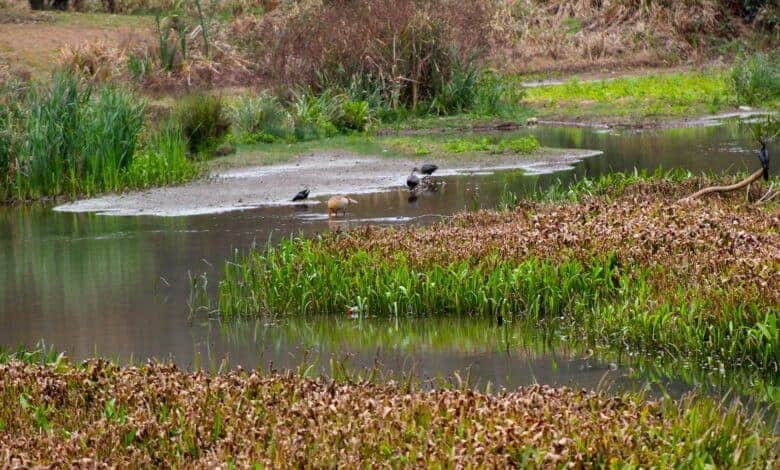
Children as young as six are being used to steal rare, indigenous plants and hunt small wildlife at Pietermaritzburg’s KZN National Botanical Garden.
The Witness reports youngsters are reportedly sent in by adults — including parents, guardians and muthi traders — and paid small amounts to enter the gardens, set animal traps and steal rare indigenous plants and fungi.
“This is not just a conservation issue, it’s a social crisis,” said Mbuso Zondi, the marketing and communications officer for the garden. Children are being sent in by parents, guardians or even muthi market traders to collect plant material. They’re offered small payments and are often not held legally accountable in the same way adults would be.
The poaching activity is now threatening the ‘delicate ecological balance of the garden and the region at large’.
Illegal harvesting and hunting peak during school holidays, when children are more available and less supervised.
Targeted species include clivias and cycads — prized for traditional medicine — while dassies and duikers are hunted for meat, pelts and muthi purposes.
Snares, animal remains and hunting equipment have all been found on the property.
In some cases, poachers using trained dogs have been arrested and handed over to the SAPS in Prestbury.
“This is part of a much larger national trend,” said Zondi. “Conservation areas across South Africa are under threat, and our garden has not been spared.”
The exploitation comes despite encouraging signs from nearby reserves, where poaching levels have declined in recent months.
Ferncliffe Forest Wilding, the Mpushini Lower Valley Conservancy and Friends of Bisley Nature Reserve (FoBNR) all report reduced snaring activity compared to last year.
“Since last month there is a decrease in activity,” said Pandora Long from the Mpushini Lower Valley Conservancy.
“There are several reasons for this, the primary being we experience less poaching pressure during the height of summer and early autumn.”
She credited the decline to full-time gameguard Lucky Makuyana, also known as ‘Hardlife’, and support from an anti-poaching unit and Mi7 National Security.
However, dog hunting and armed incursions remain a concern.
Connor Cullinan of Ferncliffe Forest Wilding said: “We haven’t found any whip snares or animal remains. I’m guessing the combined efforts of Snare Aware, Ezemvelo KZN Wildlife Honorary Officers and ourselves have put the poachers off. Hundreds of snares were removed last year, so maybe the poachers gave up.”
FoBNR’s Blythe Watson also reported no active snares recently, thanks to support from Remington Risk Management, but warned: “It’s good that activity is down, but when the poachers do come in, it has a more drastic impact. We need to maintain constant pressure to keep it at bay.”
By contrast, the KZN National Botanical Garden remains a hotspot. Zondi said the presence of unlicensed traditional medicine outlets in Pietermaritzburg fuels demand for biological material, complicating enforcement efforts.
To counter this, the garden hosts an annual Biodiversity Crimes Awareness Day in partnership with Ezemvelo KZN Wildlife, the Department of Economic Development, Tourism and Environmental Affairs (EDTEA), and the Duzi-uMngeni Conservation Trust. The initiative educates traditional healers and the public on legal and sustainable practices.
“Many traditional healers are unaware that they can apply for legal harvesting permits,” said Zondi.
“We provide training on how to grow their own medicinal gardens and get permits through Ezemvelo, with support from EDTEA and the National Movement for Rural Women.”
The garden has also improved co-ordination with Ezemvelo’s district conservation officer.
“Previously, poachers were arrested but rarely prosecuted. Now, there is stronger follow-up and improved chances of conviction,” said Zondi.
Additional protective strategies include removing plant labels, disguising rare species among common ones, and working with volunteer group Snare Aware, which patrols the garden and educates local communities.
According to local police spokesperson Sergeant Sifiso Gwala, police have started more visible patrols in and around the area to aid in minimising the theft of indigenous plants.
“The police in the area have noticed that it is mostly vagrants stealing these specimens for the purpose of selling them, feeding their cravings or addictions.
“If a juvenile is caught stealing, then a case will be opened and a charge carried out according to the terms of the Child Justice Act [75 of 2008]. If it is found out that a juvenile was sent by an adult, the adult could be charged for a criminal offence,” Gwala said.
Any suspicious activity in or around the garden must be reported to SAPS or garden authorities.
Breaking news at your fingertips… Follow Caxton Network News on Facebook and join our WhatsApp channel.
Nuus wat saakmaak. Volg Caxton Netwerk-nuus op Facebook en sluit aan by ons WhatsApp-kanaal.
Read original story on witness.co.za