
New SIU boss faces calls for faster action in fight against corruption
Civil society and a crime expert outline priorities for the new Special Investigating Unit leader as he takes office.
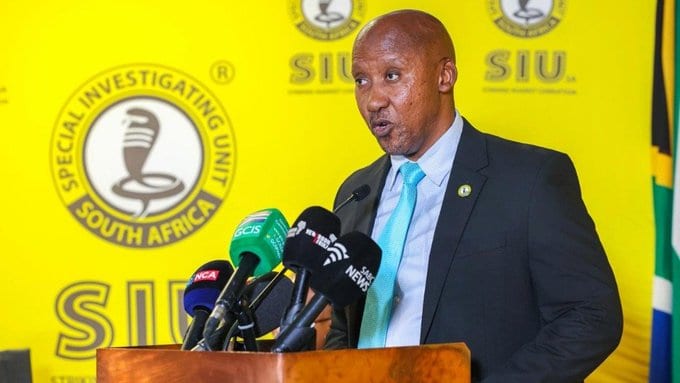
As Leonard Lekgetho takes the helm of the Special Investigating Unit (SIU), experts say he must work without political interference and restore public confidence in the fight against corruption.
Lekgetho officially assumes the position today (September 1), following his appointment by President Cyril Ramaphosa.
He succeeds Adv Andy Mothibi, who left the unit in February after being appointed national director of public prosecutions.
Lekgetho was subsequently appointed to act as head of the SIU, whose mandate is to investigate serious allegations of corruption, malpractice and maladministration involving state institutions.
According to the Presidency, he has 19 years’ experience in the unit, having served in various portfolios since 2007, from investigations to his most recent position as chief operations officer.
He also served as an investigator in the former Directorate of Special Operations and holds degrees in law, education and science, as well as a diploma in forensic auditing and a postgraduate diploma in cyber law.
Civil society welcomes appointment
Corruption Watch has welcomed the appointment, saying Lekgetho’s ‘extensive experience’ within the SIU provides continuity at an institution that plays a critical role in investigating corruption, maladministration and the misuse of public resources.
Corruption Watch executive director Lebogang Ramafoko explains that this continuity must be accompanied by a stronger focus on the unit’s impact.
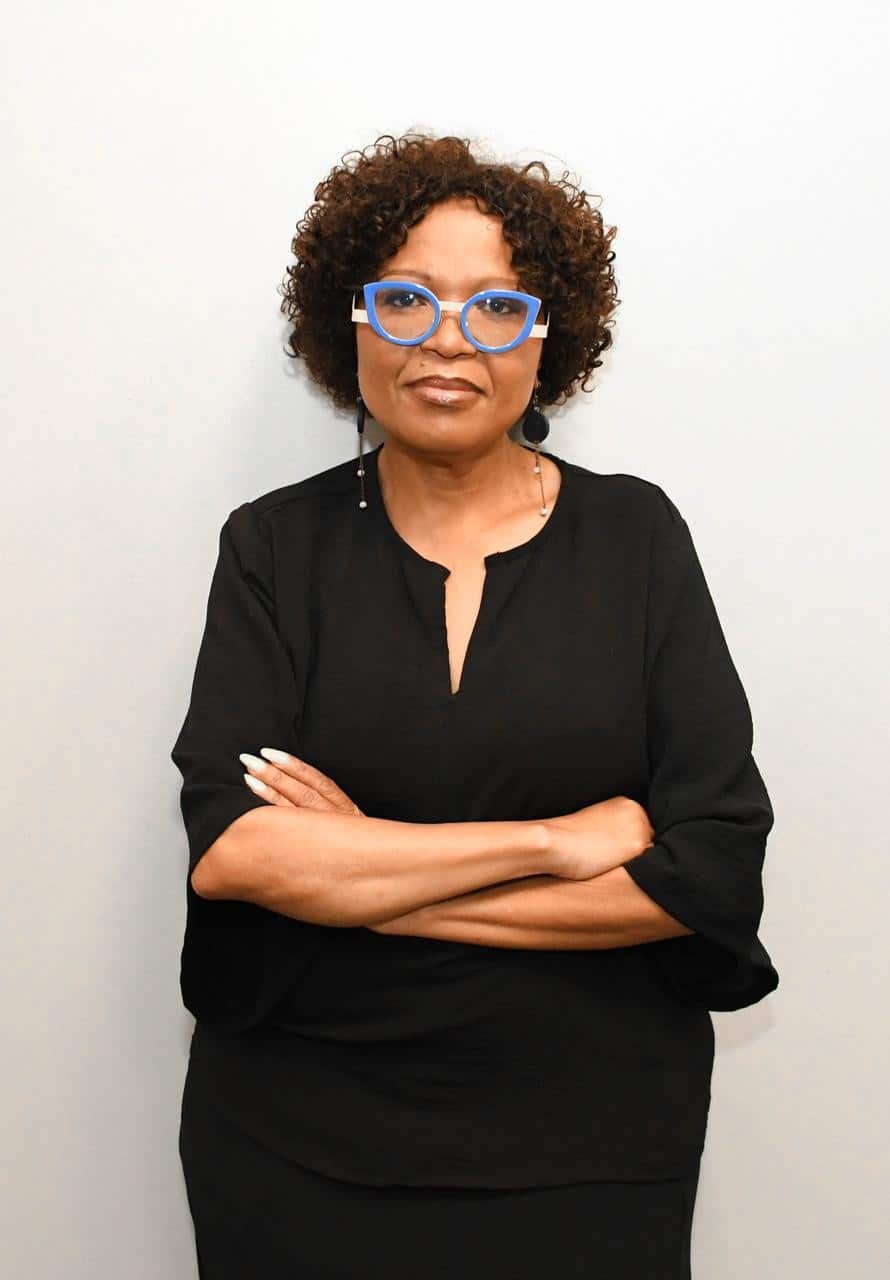
“The key measure of the institution’s effectiveness should be whether investigations result in accountability, the recovery of public funds and meaningful consequences for those responsible for corruption and wrongdoing,” says Ramafoko.
She adds that an immediate priority should be ensuring that investigations translate into consequences, including through stronger follow-through on findings and referrals and effective co-operation with the NPA and other relevant institutions.
“He should also prioritise high-impact investigations involving significant losses of public resources, while strengthening the SIU’s capacity to identify systemic corruption risks and recommend measures that prevent corruption from recurring,” says Ramafoko.
She explains that Lekgetho should build on the unit’s work in recovering public funds and challenging irregular contracts, while placing greater emphasis on what happens after investigations are concluded.
“Investigations must ultimately contribute to accountability, consequence management and systemic reform,” says Ramafoko.
“The public needs to see that wrongdoing has consequences, that those responsible are held accountable, and that state institutions are strengthened to prevent corruption from translating into recurring harm.”
Call for political independence
Crime and policing expert Yusuf Abramjee believes Lekgetho’s appointment is an important development because the fight against corruption, maladministration and the recovery of public funds remains a major concern.

“The appointment should ultimately be judged on the strength of the SIU’s investigations and its ability to deliver tangible outcomes,” says Abramjee.
“The SIU plays a critical role in holding those who abuse public resources accountable, and the permanent leadership should strengthen the institution’s independence, credibility and effectiveness.”
Abramjee adds that Lekgetho must be given the space to do his work without political interference or favour.
Key operational priorities
He adds that Lekgetho’s immediate priority should be to ensure that existing investigations progress efficiently and that there is a clear focus on matters involving significant financial losses to the state.
“This should include strengthening co-operation with the NPA, Hawks, SAPS and other law-enforcement agencies so that SIU findings translate into prosecutions, disciplinary action, civil recovery and the return of stolen or misappropriated public funds.”
He says there also needs to be greater urgency around communicating progress to the public. “South Africans need to see that investigations are not simply launched, but that they result in consequences.”
Challenges facing the unit
He adds that Lekgetho inherits an institution dealing with a significant workload and operating in an environment where corruption networks can be sophisticated and well-resourced.
“He will also have to deal with public frustration over cases that appear to take years before producing visible outcomes. He should build on the SIU’s investigative successes, while placing greater emphasis on speed, consequence management, asset recovery and finality.”
Strengthening institutional integrity
For Abramjee, Lekgetho must protect the integrity and independence of the SIU.
“The institution’s credibility depends on the perception – and reality – that it investigates without fear, favour or political considerations.
“The appointment presents Lekgetho with an opportunity to strengthen the SIU as a formidable institution in the fight against corruption. The public will ultimately judge his tenure by results: Money recovered, corrupt networks dismantled, perpetrators held accountable and public institutions strengthened,” he says.
Breaking news at your fingertips… Follow Caxton Network News on Facebook and join our WhatsApp channel.
Nuus wat saakmaak. Volg Caxton Netwerk-nuus op Facebook en sluit aan by ons WhatsApp-kanaal.
Read original story on www.citizen.co.za

