
13th European Film Festival South Africa explores themes of family and home
South African audiences can feast on a selection of European films exploring belonging, displacement, parenthood, grief and conflict.
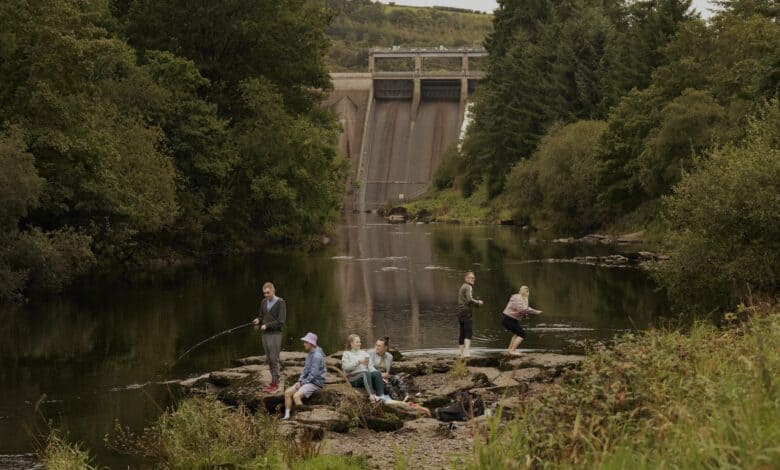
From moving, intimate, politically and socially urgent films to funny, challenging and visually striking works, the 13th annual European Film Festival South Africa aims to bring people together through stories that feel close to home.
Taking place from September 17 to 27, audiences can expect award-winning and star-studded European films that explore human portraits of family.
While the theme of family and the idea of ‘home’ seem to be at the heart of this year’s programme, festival manager Lauren Groenewald says this was not intentional. “We set out to find the strongest films that were exciting, beautifully made, distinctive and that we felt would resonate with South African audiences.”
However, as the programme came together, the organisers noticed unexpected connections between many of the selected films.
“So many of the films dealt with things that are incredibly personal and close to home: Family relationships, belonging, displacement, parenthood, grief, conflict and the question of where we feel we belong. And I think that says something about the world we are living in. We are surrounded by enormous political and social questions but, increasingly, filmmakers are finding ways to understand those larger realities through very intimate human stories,” says Groenewald.
Universal human experiences across borders
The 12 films that make up this year’s festival come from different countries and cultures, yet their stories feel remarkably familiar. Groenewald admits that she was struck by how quickly the borders between countries disappear when you are watching these films.
“The circumstances may be completely different – a war in one film, a fractured family in another, migration or displacement somewhere else – but underneath that there are very recognisable human experiences. What does it mean to be a parent? What do we owe one another? What happens when a family breaks down?”
This is one thing that Groenewald loves about European cinema. “It can be incredibly specific in its cultural and political context, but at the same time it can be deeply universal. I think South African audiences will recognise that. We don’t necessarily need to have lived the exact circumstances of a character to understand the emotion behind them,” she says.
Recognising local relevance in international cinema
Groenewald’s hope is that audiences recognise themselves and each other in these films.
While the films are different, each one is about people living through issues, and how those experiences shape families and generations.
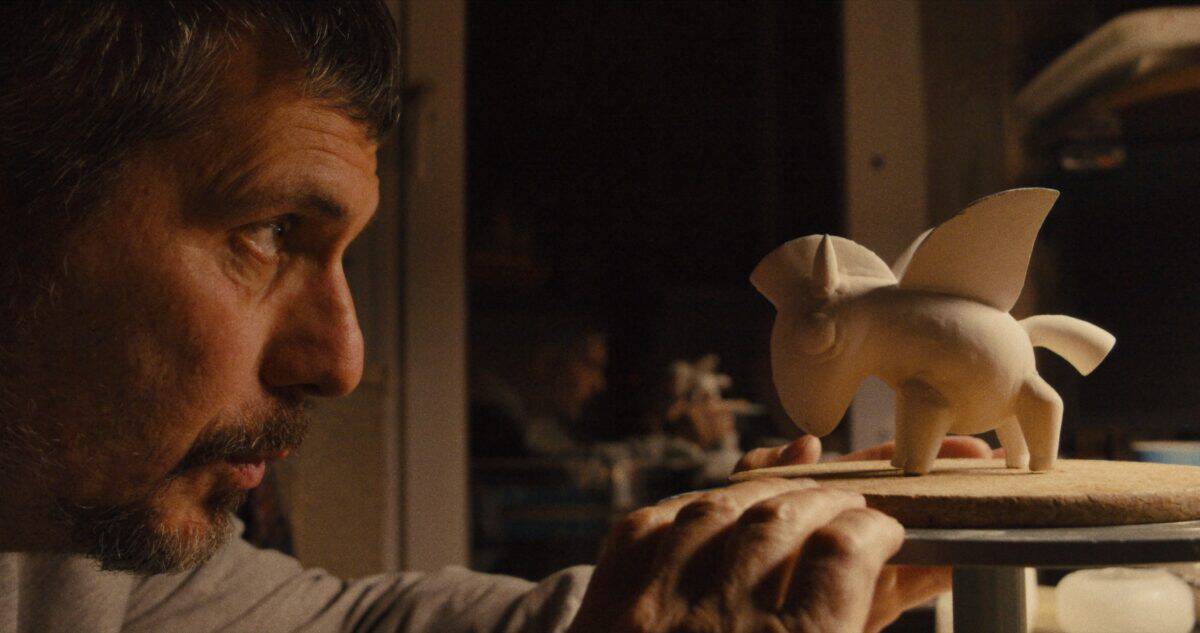
“Christy looks at a young person trying to find his place and the possibility of connection; A Family explores complicated family relationships; Porcelain War brings us into the reality of people living through war; and My Father’s Shadow looks at a father and his sons against the backdrop of a particular moment in Nigeria’s history,” says Groenewald.
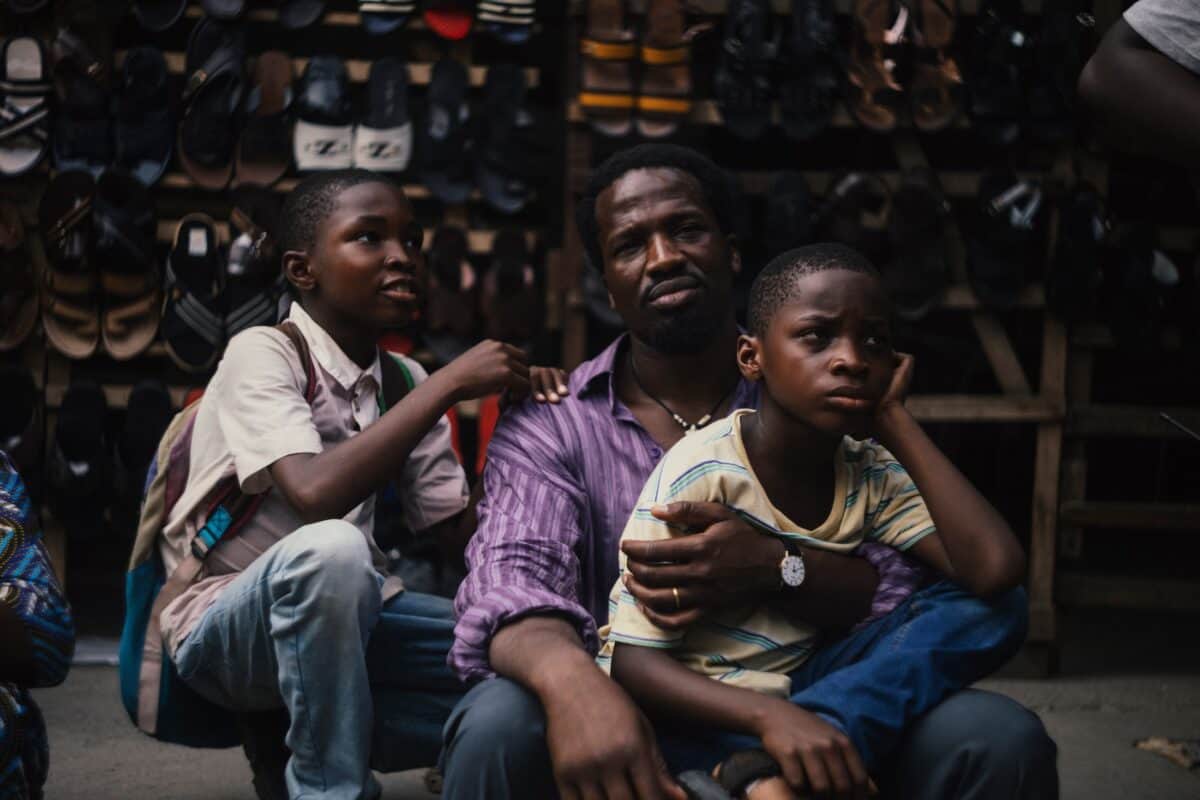
Akinola Davies Jr, the director of My Father’s Shadow, describes the film as personal and semi-autobiographical. He speaks about never really knowing his father, who died when he and his siblings were young, and how the film became a way of processing generational grief. He wants men to be more vulnerable, talk to each other and hold each other accountable, so women do not always carry that burden.
“For me, that speaks beautifully to family: To fathers and sons, brothers and siblings, what we inherit and what we choose to change for the next generation.”
He also spoke about his brother becoming a father while writing the film, and how that changed things for him.
“I think that captures something important about this programme. These films travel across borders, but they also come back to us. They allow us to see another country, another family or another reality, while recognising something of our own,” says Groenewald.
And that is particularly important in South Africa, where questions around family, community, history, fatherhood and belonging are part of our everyday lives.
The 13th European Film Festival South Africa takes place in Johannesburg, Cape Town, Durban and Pretoria.
The programme extends beyond traditional cinema spaces through outreach screenings and academic partnerships.
At the University of the Western Cape’s Iyatsiba Lab, two special events will bring audiences together for deeper engagement and discussion. These include a panel discussion after a screening of Aquí and amasterclass with Irish director Brendan Canty, exploring film, society and lived experience.
For the full programme and schedule, visit www.eurofilmfest.co.za
Breaking news at your fingertips… Follow Caxton Network News on Facebook and join our WhatsApp channel.
Nuus wat saakmaak. Volg Caxton Netwerk-nuus op Facebook en sluit aan by ons WhatsApp-kanaal.
Read original story on www.citizen.co.za