
The surprising carbon cost of going on safari
Energy-intensive grid power, heavy 4x4 game drives and water heating generate surprising emissions during bush getaways.
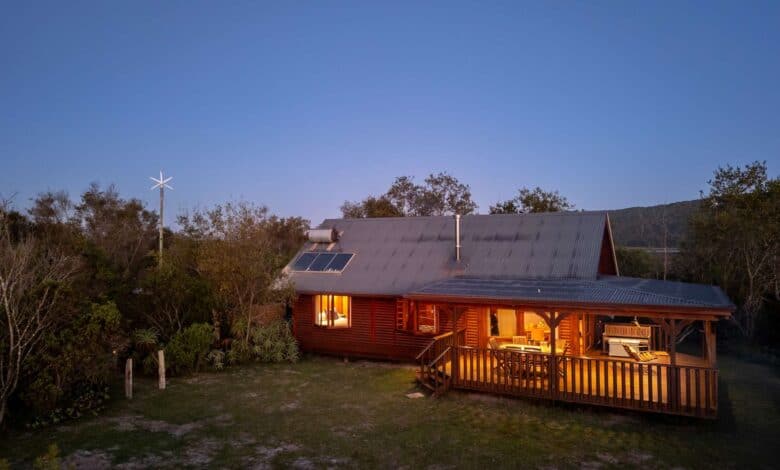
For many of us, a few days in the bush offer a welcome escape from the stresses of everyday life – a chance to recharge and reconnect with nature.
But while we are switching off from the rat race, the lights at the lodge are still on, the hot water is running and a heavy 4×4 is heading out into the bush in search of lions, elephants and that elusive leopard.
Even in the middle of the wilderness, we are leaving a footprint.
As South Africa marks Tourism Month, new data from Verified Impact, a tourism-specific carbon measurement and verification programme, is shedding light on where that footprint comes from, and some of the findings may surprise even seasoned safari-goers.
What makes a safari carbon-intensive?
“Once a traveller arrives at a lodge, two of the biggest contributors are generally the energy needed to run the property and the fuel used to transport guests,” says Duncan Pritchard, director at ETC Africa, Verified Impact’s carbon measurement and verification partner.
But there is no one-size-fits-all answer.
At a grid-connected lodge, electricity can be the biggest source of emissions, particularly in South Africa, where electricity generation remains relatively carbon-intensive.
At a remote, off-grid camp, diesel generators, safari vehicles and other fuel use can become more significant. Liquefied petroleum gas used for cooking and hot water, laundry, refrigeration, waste, food procurement and deliveries all add to the tally.
4×4 game drives push up fuel consumption
The vehicle taking you out to see wildlife could be one of the biggest sources of emissions at a safari lodge.
Pritchard says safari vehicles are large, heavy 4x4s that often operate for several hours a day, travelling over rough terrain and stopping and starting at low speeds. “Multiply that by several vehicles operating every day of the year and the fuel consumption, and associated carbon emissions, quickly add up,” he says.

Reducing emissions does not necessarily mean taking away the experience that guests have travelled so far to enjoy, he says. Better vehicle allocation, avoiding lightly occupied vehicles travelling similar routes, sensible driving, correct tyre pressures and regular maintenance can all reduce fuel consumption.
Lodges can also encourage guests to experience the bush in different ways, with walking safaris, hides and water-based activities potentially reducing vehicle hours while adding another dimension to the experience.
A lodge’s footprint is shaped by its operating context
One of the most interesting findings emerging from Verified Impact’s data is how different the carbon footprints of seemingly similar lodges can be.
A solar-powered lodge using electric game-drive vehicles, for example, will have a very different emissions profile from a property dependent on grid electricity, diesel generators and conventional safari vehicles.
Location matters too. “A remote lodge in Namibia, where supplies may have to travel hundreds of kilometres, faces different challenges from a property close to an airport and major town,” Pritchard explains.
Even the number of guests matters. “A lodge still has to keep its refrigeration running, pump water and power essential infrastructure whether it has six guests or 20. This means higher occupancy can reduce emissions per guest night, even when the lodge isn’t actually using less energy overall,” Pritchard says.
That doesn’t necessarily mean the lodge has become more efficient in absolute terms, which is why Verified Impact looks at both total emissions and emissions intensity in context.
Simple operational changes deliver zero-cost carbon cuts
Not every solution requires solar panels, electric vehicles or an expensive green overhaul.
Verified Impact describes this as a ‘behavioural dividend’ – emissions reductions achieved through relatively simple changes to the way a property operates.
That could mean switching off unnecessary equipment, managing air-conditioning and heating more carefully, reducing unnecessary hot-water use, running full laundry loads and improving kitchen and refrigeration practices.
Even something as simple as running a pool pump while solar power is available, rather than at night when a generator may have to kick in, can make a difference.
The principle is one most households already understand: Use less energy and fuel, and you save both money and emissions.
The difference is that at a lodge, those small savings are multiplied across hundreds or thousands of guest nights.
Tourism provides vital economic incentive for conservation
There is another side to tourism’s carbon story.
Across Southern Africa, tourism can provide an economic reason for natural areas to remain intact. Lodges create jobs, buy goods and services, contribute to conservation and generate income from landscapes whose value depends on remaining wild.
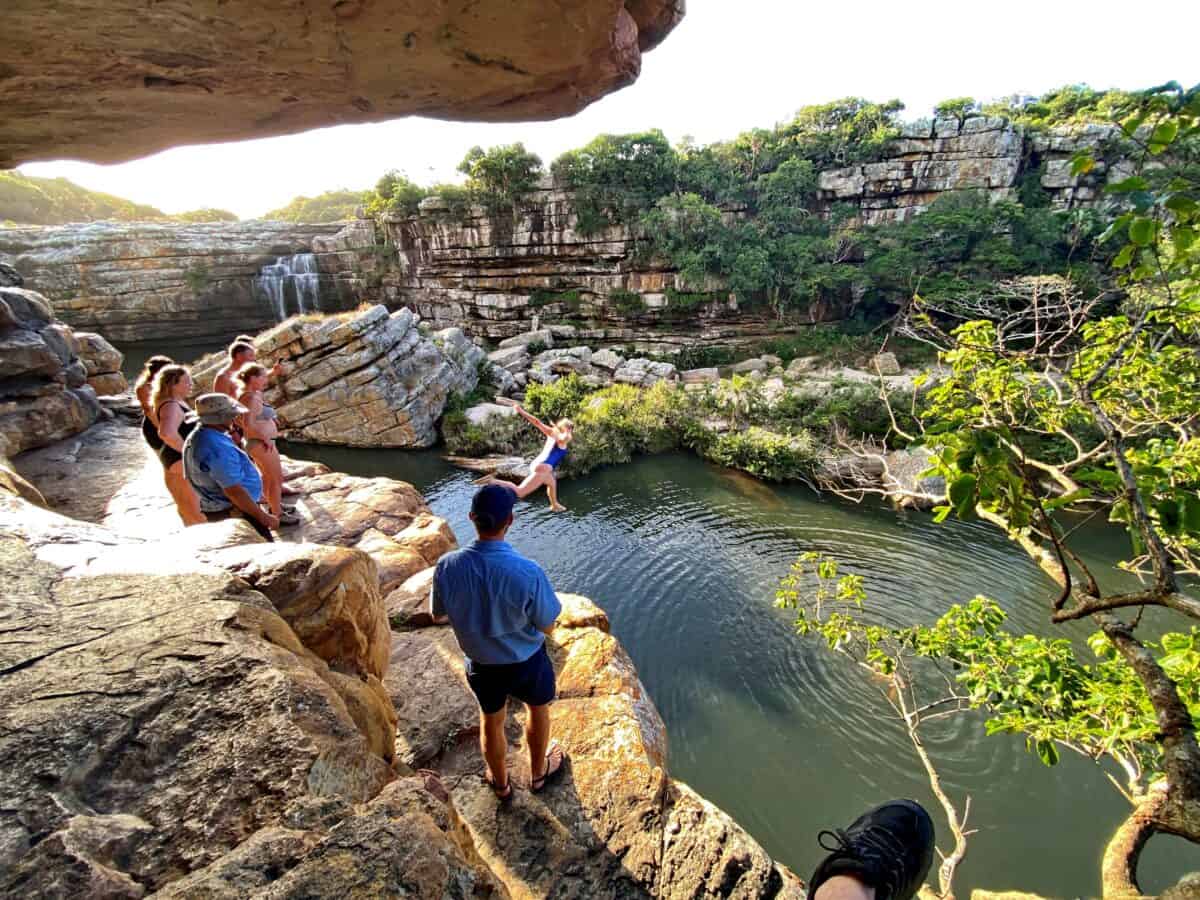
Those landscapes are more than beautiful backdrops for holiday photographs. Their soils and vegetation store carbon, support biodiversity and help protect water systems. “Wild areas are climate infrastructure,” says Pritchard.
That creates something of a paradox for the tourism industry.
A safari inevitably has an environmental cost. But tourism can also help create the economic incentive to protect the very landscapes travellers come to see.
So the challenge is not simply to ensure eco-tourism has a low-carbon footprint. It is to get more conservation and economic value from every tourist while emitting as little carbon as possible in the process.
Breaking news at your fingertips… Follow Caxton Network News on Facebook and join our WhatsApp channel.
Nuus wat saakmaak. Volg Caxton Netwerk-nuus op Facebook en sluit aan by ons WhatsApp-kanaal.
Read original story on www.citizen.co.za