
Rising temperatures could put bees on edge, beekeepers warn
Five people were stung in a Centurion bee attack this week as beekeepers urged residents to take precautions around hives, particularly as temperatures rise and water shortages loom.
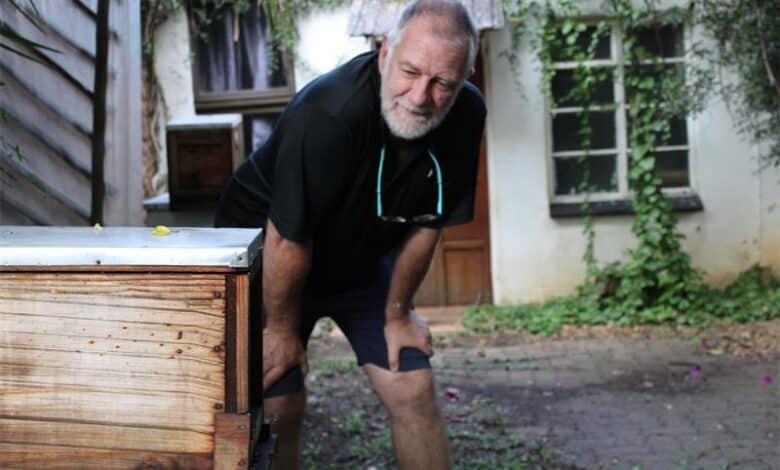
Above-average temperatures and the threat of below-average seasonal rainfall signal the possible arrival of El Niño as South Africans prepare to welcome summer, reports Benoni City Times.
El Niño is a natural climate pattern characterised by above-average sea surface temperatures in the central and eastern equatorial Pacific Ocean. Its effects have already contributed to extreme weather conditions in parts of the world during the European summer.
Locally, meteorologists are warning that soaring temperatures could contribute to drought, wildfires and declining crop yields, potentially putting further pressure on food security.
The Eastern Highveld Beekeepers Association (EHBA) is also keeping a close eye on changing weather conditions and their potential effects on bee and pollinator populations.
According to EHBA chairman Pete Beart, the association is confident that local bee populations will adapt, but members are paying close attention to the behaviour and temperament of hives.
“Changing weather patterns have affected Earth for millennia. Mother Nature and all her creatures and critters have had to adapt and evolve in order to survive an ever-changing climate,” he said.
“El Niño will definitely have an impact on nature and wildlife. It will adapt much better than humans.”
Urban hives under scrutiny
Beart said the general consensus among EHBA beekeepers was focused on urban hives and ensuring community safety.
“According to a recent study by the University of Pretoria, there are on average 22 to 24 beehives in a 1km² within suburban areas,” he said.
“Hives are established based on nectar-rich feeding grounds and, under normal circumstances, bees and humans coexist in harmony.”
With temperatures expected to rise amid concerns about water shortages, Beart said bees were also reliant on safe and clean water.
“They use water to regulate the temperature within the hives, maintaining the delicate biology of the hive, its honey and its offspring,” he said.
“As with humans, even the slightest change in temperature causes discomfort and mood changes. We become testy when we are hot and bothered, so too do bees.
“For them, though, heat can have a catastrophic impact on the hive’s health and survival, potentially leading to panicky behaviour.”
Against this backdrop, the EHBA is urging people who have beehives in their gardens to consider having them professionally and responsibly relocated before temperatures rise further.
“It is important to note that bees are inherently not aggressive, however, they can become defensive if they feel threatened or the hive is experiencing stress,” Beart said.
“These defences could then be directed at nearby animals or humans, which could lead to injury. Therefore, preventative relocations are becoming a necessity.
“It is not about spreading panic and we are not advocating mass relocations. If members of the community are concerned, we encourage them to contact reputable beekeepers for advice, do not attempt removals and avoid consulting the internet for bee-removal hacks.”
Keep them hydrated
To help bees access water safely, Beart recommends placing shallow dishes filled with water and pebbles in gardens to provide safe landing spaces.
“Bees are also drawn to water features and swimming pools because their breathing organs are located at the bottom of their bodies. Falling into water results in drowning,” he said.
“If you have a couple of foam pool noodles lying around, cut them into rings and allow them to float on the surface.
“The rough texture will assist bees in climbing out of the water and onto the foam should they fall into the water.”
Centurion attack highlights risks
A recent bee attack in Centurion has highlighted the potential risks of disturbing a colony.
Five people were stung by bees at a residential property in The Reeds, Centurion, yesterday (September 25), leaving an elderly man in need of hospital treatment. He was taken to a nearby healthcare facility in a serious but stable condition.
The incident is a reminder that disturbing a bee colony can trigger defensive behaviour, particularly when people or equipment come too close to a hive, reports Pretoria Rekord.
Breaking news at your fingertips… Follow Caxton Network News on Facebook and join our WhatsApp channel.
Nuus wat saakmaak. Volg Caxton Netwerk-nuus op Facebook en sluit aan by ons WhatsApp-kanaal.
Read original story on www.citizen.co.za

