
20 birds die at Joburg’s Zoo Lake amid contamination fears
Parkview residents have been urged not to swim in Zoo Lake or handle dead wildlife while authorities investigate possible water contamination.
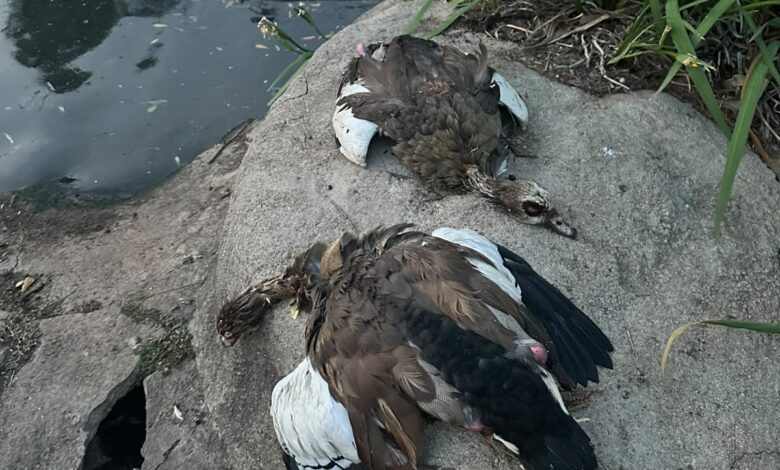
Johannesburg City Parks and Zoo (JCPZ) is investigating the deaths of waterbirds at Zoo Lake in Parkview, with possible avian botulism and sewage contamination among the concerns being examined.
The Zoo Lake Users Committee (ZLUC) confirmed that the bodies of 20 birds were discovered on yesterday (November 2), with concerned residents and park users alerting the committee to the incident. reports the Sandton Chronicle.
JCPZ spokesperson Jenny Moodley said the cause of the deaths had not yet been established, although seasonal avian botulism was among the suspected causes.
“Warmer water and decomposing organic matter can create conditions favourable for the production of toxins that affect waterbirds,” Moodley said.
She stressed that botulism had not been confirmed.
Authorities are also investigating reports of possible sewage spills and contamination in the lake. However, no link between these reports and the bird deaths has been established.
Veterinary examinations and water tests under way
JCPZ’s Environmental Conservation team removed the dead birds identified during a collection operation on Monday. Selected carcasses were submitted to Johannesburg Zoo’s veterinary hospital for post-mortem examinations to establish the cause of death.
Teams from JCPZ’s Conservation and Operations divisions, the City’s Environment and Infrastructure Services Department (EISD) and Johannesburg Water also visited the site and collected water samples.
Moodley said the veterinary findings and water-quality results would help authorities determine the cause of the deaths and guide further interventions.
She cautioned, however, that water tests could only establish conditions at the time samples were collected and could not necessarily predict every wildlife death. The timing of the deaths, preceding environmental conditions and any warning signs would also need to be considered as part of the investigation.
JCPZ said removing the carcasses was an important precaution to limit further environmental risks.
Residents warned to avoid lake water
While investigations continue, residents have been urged not to swim in the lake or consume fish caught there.
Children and pets should be kept away from dead or visibly distressed wildlife, and members of the public are warned not to handle dead birds or fish.
Moodley explained that many of Johannesburg’s urban dams and lakes were man-made water bodies that receive stormwater runoff, which can carry pollutants, litter and organic waste.
“The appearance of clear water should not be taken as an indication that the water is safe,” she warned.
ZLUC said it was monitoring the situation and remained in contact with the relevant authorities. The committee also thanked residents, park users and residents’ associations for reporting the incident and sharing information.
How to report further wildlife deaths
Residents who spot additional dead birds, distressed waterbirds or fish kills are urged to report them to JCPZ at emi@jhbcityparks.com.
Reports should include the exact location and photographs where possible. Sightings can also be reported to @joburgparkszoo or ZLUC.
JCPZ said further remedial measures would depend on the veterinary findings and water-quality results, with verified information to be communicated as it becomes available.
Breaking news at your fingertips… Follow Caxton Network News on Facebook and join our WhatsApp channel.
Nuus wat saakmaak. Volg Caxton Netwerk-nuus op Facebook en sluit aan by ons WhatsApp-kanaal.
Read original story on www.citizen.co.za

