5 Fun learning activities for three-year-olds
Three-year-olds are eager learners, making it the perfect time to introduce fun activities that boost their cognitive development.
As toddlers enter the exciting age of three, their minds are like sponges, soaking up knowledge and experiences at a rapid pace. This is the perfect time to introduce them to fun and engaging learning activities that not only promote cognitive development but also foster their creativity and imagination.
Read on to learn about five activities that will keep your little ones entertained while encouraging their love for learning.
Sensory play
Sensory play is all about letting kids have a blast using their senses! It’s like a playground of fun where they can touch, feel, smell, and even taste different stuff. From squishing playdough to playing with sand and water, it’s all about exploring and learning in the most exciting way possible!
Encouraging sensory play doesn’t have to mean investing in expensive items. Simply create a sensory bin using a shallow container and fill it with various materials already in your pantry cupboard or backyard, such as rice, sand, water, beads, or coloured pasta. Add in small toys, plastic animals, and scoops to enhance the experience. As your child explores the textures and colours, they will develop their tactile and visual senses, and even basic math concepts like filling and pouring.
You can also make homemade playdough using child-safe ingredients and let them shape it into animals, letters, or anything their imagination conjures up. Sensory play is not only fun but also essential for developing fine motor skills, hand-eye coordination, and spatial awareness.
Alphabet treasure hunt
Learning the alphabet can be an exciting adventure for three-year-olds when turned into a treasure hunt game. Write or print out large letters of the alphabet on pieces of paper and hide them around the house or yard. Give your child a “treasure map” with hints or pictures to find the letters.
As your little one searches for the letters, they will not only become familiar with the alphabet but also practice letter recognition and early reading skills. Celebrate each discovery with applause and encouragement, making the learning experience a rewarding and enjoyable one.
Storytelling and puppet shows
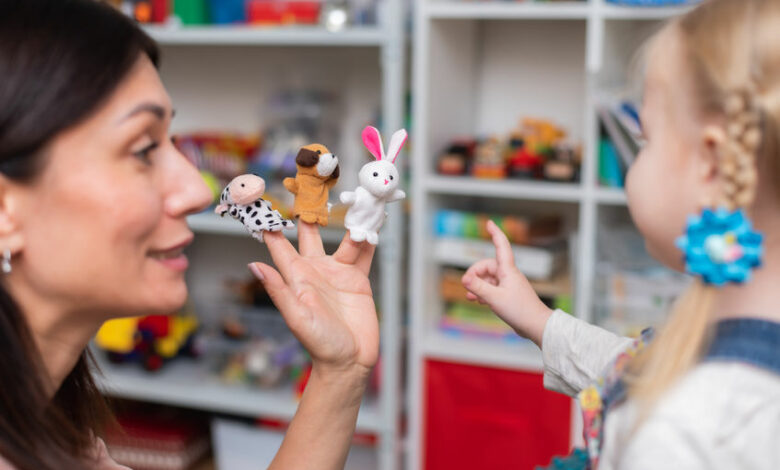
Three-year-olds have an innate love for stories and pretend play. Encourage your child’s creativity by engaging in storytelling and puppet shows. You can make simple puppets using socks or paper bags and bring their favourite characters to life, or use stuffed animals as characters.
As your child narrates stories and acts them out, they will enhance their language skills, expand vocabulary, and develop emotional intelligence by exploring different feelings and scenarios. Storytelling and puppet shows are also an excellent way to strengthen their memory and cognitive abilities as they recall and recreate familiar tales.
Colorful science experiments
Science experiments are not just for older kids; three-year-olds can enjoy simple and safe experiments that introduce them to basic scientific concepts. For instance, you can create a volcano eruption using baking soda and vinegar, or mix different colours of water in clear cups to show how primary colours blend to create secondary colours.
Children at this age are naturally curious, and these experiments will feed their curiosity while teaching them about cause and effect, basic chemistry, and colour recognition. Just remember to use child-friendly materials and supervise them closely during the experiments.
Outdoor nature scavenger hunt
Spending time outdoors not only allows three-year-olds to burn off energy but also provides a rich learning environment. Organise a nature scavenger hunt in the park or your garden, where your child can search for specific items like leaves, rocks, flowers, and insects.
During the scavenger hunt, you can engage them in discussions about the various plants and animals they find, teaching them about nature and its wonders. This activity promotes observation skills, appreciation for the environment, and a sense of curiosity about the world around them.