Why knowing what’s in your sanitary products matters – and how to choose better
Switching to low-tox menstrual products could make a bigger difference than you think - here’s why and what to look out for next time you choose sanitary products.
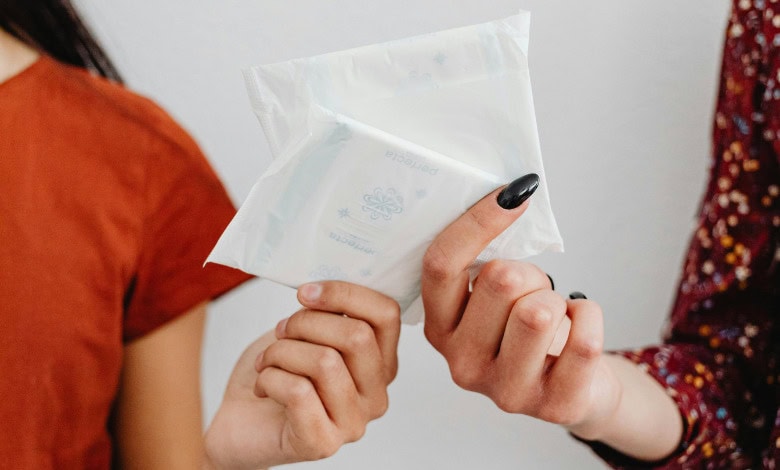
A recent study by the University of the Free State tested 16 popular sanitary pads and all of them contained trace amounts of two hormone-disrupting chemicals – even those marketed as “free from harmful chemicals”.
Although below regulatory limits, these findings have raised important questions about the hidden chemicals in everyday period products and the effects of repeated low-level exposure.
Ingredient safety is particularly important in menstrual care products, as sanitary products come into contact with your most sensitive skin and mucosal tissue, which can absorb chemicals more directly.
- What are sanitary products usually made of?
Most conventional period products are made from a combination of materials designed to absorb fluid and prevent leaks, including:
- Bleached cotton or rayon fibres for absorbency
- Synthetic materials to maintain shape and structure
- Plastic back sheets used in pads and liners
- Adhesives that keep products in place
- Artificial fragrances to mask odour
These materials can bring you into contact with hormone-disrupting chemicals like phthalates, bisphenols, and parabens, which are typically found in fragrances, plastic back sheets, adhesives, and period packaging materials.
Research has linked certain endocrine-disrupting chemicals to potential health concerns, including hormonal disruption, reproductive health issues, and increased risk of some diseases.
- What are non-toxic sanitary products made of?
Non-toxic pads, tampons, and pantyliners are made from materials designed to limit your contact with potentially harmful substances, including:
- Certified organic cotton for absorbent layers
- Breathable cotton top sheets for comfort
- Plant-based fibres like bamboo
- Biodegradable or plant-based back sheets
More importantly, they avoid:
- Chlorine bleaching
- Artificial fragrances
- Synthetic dyes
- Excess plastic layers
Because organic cotton is grown without synthetic pesticides or herbicides, sanitary products made with organic cotton offer a gentler, more environmentally responsible choice for everyday menstrual care.
Content by Faithful to Nature.
For more on health, visit Get It Magazine.