Understanding dyspraxia and the brain-body disconnect
You may have noticed that your child seems clumsier than other children their age, or that they struggle with things their friends seem to pick up without effort.
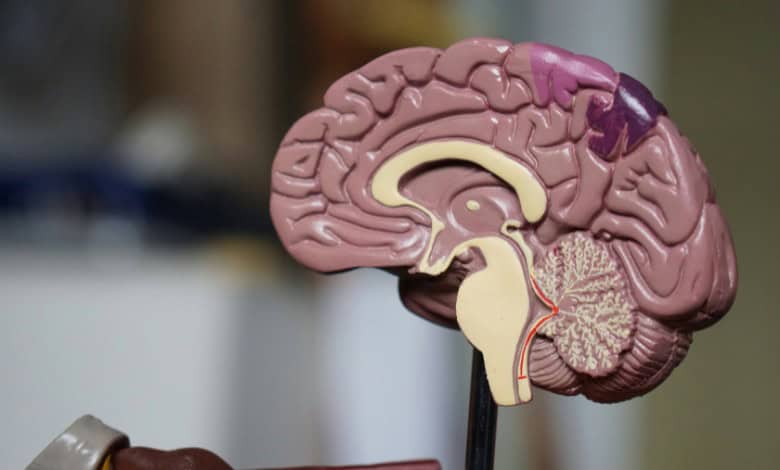
Spreading peanut butter on a slice of bread. Packing a school bag. Keeping a desk in some kind of order. Getting dressed, tying shoelaces, riding a bike, or joining in a game they have never played before. Watching your child struggle with these things can feel overwhelming for a parent, but once you understand how your child’s brain processes and organises information, you are already on the right path to helping them thrive.
That understanding starts with a word most parents have never come across: praxis. Dr A. Jean Ayres, a pioneer of sensory integration theory, described praxis as the ability to plan and organise a series of intentional motor actions in response to what the environment demands. It happens in three steps, and it happens constantly.
First comes the idea – conceiving the concept. What do I want to make or do, or build? Then comes the plan: organising those actions in the right sequence and mapping out a mental blueprint of the task, step by step. Get the blue base first, then add the red arch. Last comes the action, carrying out the movement and producing the result while adjusting for whatever the environment throws in the way.
Each stage builds on the one before it, allowing a child to generate an idea, plan how to do it, and then complete it with control and confidence. When difficulties occur at any of these stages, it affects how a child organises and performs actions in learning, play and daily life. This is dyspraxia. It sounds like a fancy word, but in simple terms it means a dysfunction in doing — a brain-body disconnect, a kind of communication glitch or a motor learning difficulty. Doctors typically refer to it as Developmental Coordination Disorder, or DCD.
According to the DSM-5, it is diagnosed when motor skill acquisition and execution are substantially below age-appropriate levels, causing significant interference with daily functioning, with symptoms present in the early developmental period. In everyday language, it is a hidden difficulty that affects how the brain plans and coordinates physical movement.
What it looks like day to day
Dyspraxia affects children differently and its severity ranges from mild to severe. One child may struggle only with generating the idea, while another finds all three steps hard. And it reaches well beyond clumsiness.
Some children experience sensory processing difficulties which is an over-sensitivity or under-sensitivity to sensations like touch, sound or light, which can make an ordinary trip to the shops or a school day feel overwhelming and stressful. Others carry the strain emotionally, in frustration, anxiety and low self esteem that take a toll on their mental health and wellbeing.
Fine and gross motor skills are usually affected too: handwriting and drawing, dressing and undressing, brushing teeth, using a knife and fork, tying laces and taking part in sport or other physical activity. Because dyspraxia also involves executive functioning – planning, organisation and time management – academic tasks and everyday routines become a challenge in their own right.
How to support your child
The goal is not to “fix” dyspraxia. It is to build the strategies that let your child navigate the world with confidence.
Start with sensori-motor groundwork. Movement is medicine. It helps children focus, and it helps them work out where their body is in space, which is essential for planning. Build an obstacle course out of pillows, beanbags and chairs, or head for the jungle gym. The more a child moves against gravity and resistance, the better their internal GPS works and the better they are able to plan.
Then chunk your instructions. Break tasks into small, manageable pieces. Instead of “go pack your stuff for school”, start with “first, get your bag”.
Modelling helps too. When a child says “I don’t know how to do it” or avoids the task altogether, that is your moment: “Let me show you how you can try. Now your turn.” And when you make your own planning mistakes, and we all do, say so out loud. It reassures your child that they are not the only one who finds things hard.
Accommodations take the pressure off. A visual timetable that lays out the daily routine and the steps within it, in pictures or in words, does much of the remembering so your child’s working memory doesn’t have to.
Above all, be patient. Your child is often working twice as hard as everyone else just to manage the “simple” things.
If you suspect your child has dyspraxia, the best first step is to speak to an occupational therapist. They can carry out a formal assessment and put together a plan tailored to your child’s specific needs. For more information and additional resources, visit www.bellavista.co.za