The biggest DIY mistakes that can hurt your home’s value
Looking to renovate your home? Property experts share advice on 4 DIY mistakes to avoid.
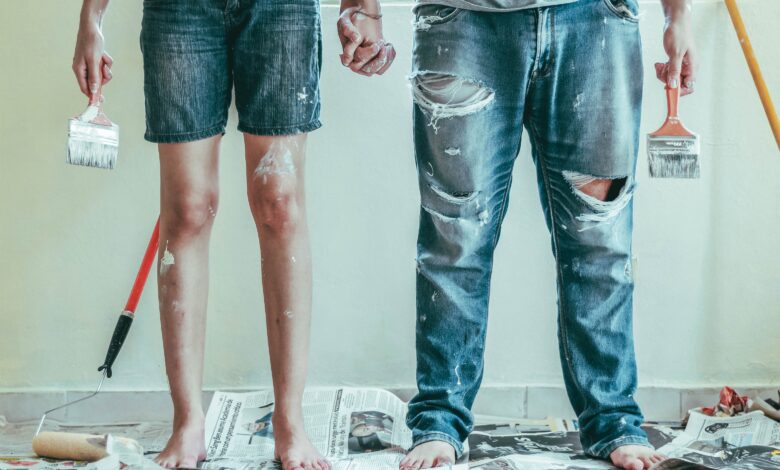
DIY projects have surged in popularity in recent years, with many homeowners increasingly turning to online tutorials for inspiration. However, Adrian Goslett, CEO and regional director of REMAX Southern Africa, notes that while many projects can help refresh a home on a budget, others have the potential to reduce its value and create costly defects down the line.
“The right improvements can make a property more attractive to prospective buyers, but the wrong ones can leave homeowners spending far more to correct mistakes than they would have ever saved by doing the work themselves,” he explains. Below are four DIY mistakes that can hurt your home’s resale value.
1. Designing for your taste, not the market
While bold colours and custom murals can reflect your own individual style, they can make it harder for prospective buyers to picture themselves living in the home. For features that are expensive to replace, homeowners should consider more neutral, timeless options that can appeal to a larger audience. You can always inject your personality into the less permanent features such as cushions, curtains and other removable decor items.
2. Hiding problems instead of fixing them
“Covering cracks with a fresh coat of paint or masking damp instead of addressing the cause may seem like an easy fix, but the issues rarely stay hidden for long and can cause more costly damage later on. Buyers often notice these red flags, and it can undermine confidence in the property’s condition and lead to lower offers,” says Goslett.
3. Overcapitalising in the wrong neighbourhood
Ready to pump some iron in your home gym, or perhaps you’re an aspiring wine connoisseur wanting your very own wine cellar? While these features sound great, they won’t necessarily increase your home’s value by the equivalent cost required to create them. Homeowners should focus on upgrades that are in line with local market conditions, as overspending above the neighbourhood’s price ceiling can make it difficult to recover the investment when selling.
4. Taking on jobs outside of your skill level
“One of the biggest DIY problems that can impact your home’s value is attempting electrical and plumbing work yourself. Not only does this create safety hazards and raise concerns about hidden defects during the selling process, but non-compliant work can prevent the required Certificate of Compliance (CoC) from being issued until defects have been rectified. In most cases, it’s more cost effective to have the work done by a qualified professional than to risk more expensive repairs later,” says Goslett.
“If you’re unsure whether to approach a project yourself, reach out to a professional for advice before picking up that old toolbox,” concludes Goslett.
Issued by Kesia Cloete