Video: All you need is a ball – so why is Baseball5 struggling?
South Africa’s accessible, mixed-gender sport is growing fast, but a lack of funding is putting its international ambitions at risk.
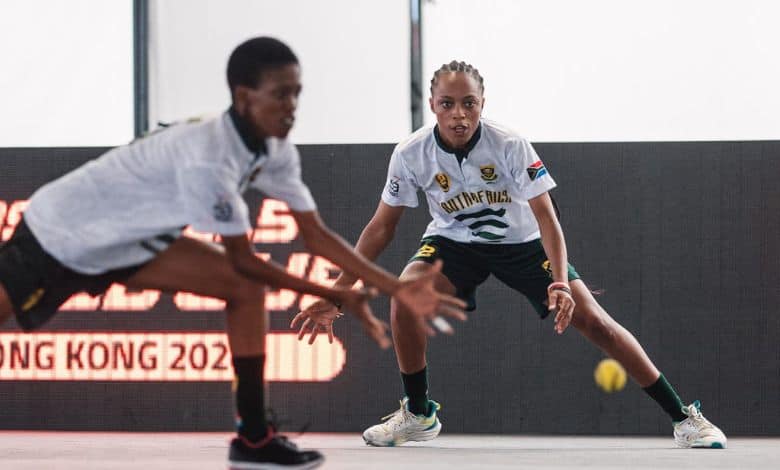
You need a ball. You need your arms and legs. You need some skills.
That’s it.
No expensive bats, gloves or elaborate playing fields are required to play Baseball5, a fast-paced, mixed-gender version of baseball and softball that can be played almost anywhere, from a schoolyard to a parking lot. All you need is a rubber ball.
South Africa’s national Baseball5 team has qualified for December’s world cup in Puerto Rico, despite players and coaches funding their own campaigns.
Yet, while the sport has few barriers to entry, the people trying to take it to the next level face one of the biggest barriers in South African sport: Money.
For coach and development advocate Americo Juma, from East Lynne in Pretoria, Baseball5 represents far more than another sporting code.
“I see it as a way of introducing children to baseball and softball, developing life skills and creating opportunities in communities where access to traditional sporting equipment can be limited.
“Baseball5 ticks so many boxes when you talk about life skills,” he says.
National squad proves mettle on global stage
South Africa entered its first Baseball5 African Championship in Dar es Salaam, Tanzania, in 2022.
It was their baptism of fire.
Juma was appointed head coach of South Africa’s senior Baseball5 national team and took the side to the tournament, where it faced countries with considerably more experience.
“Tunisia, for example, had already spent several years focusing on Baseball5 after moving away from traditional baseball and softball.”
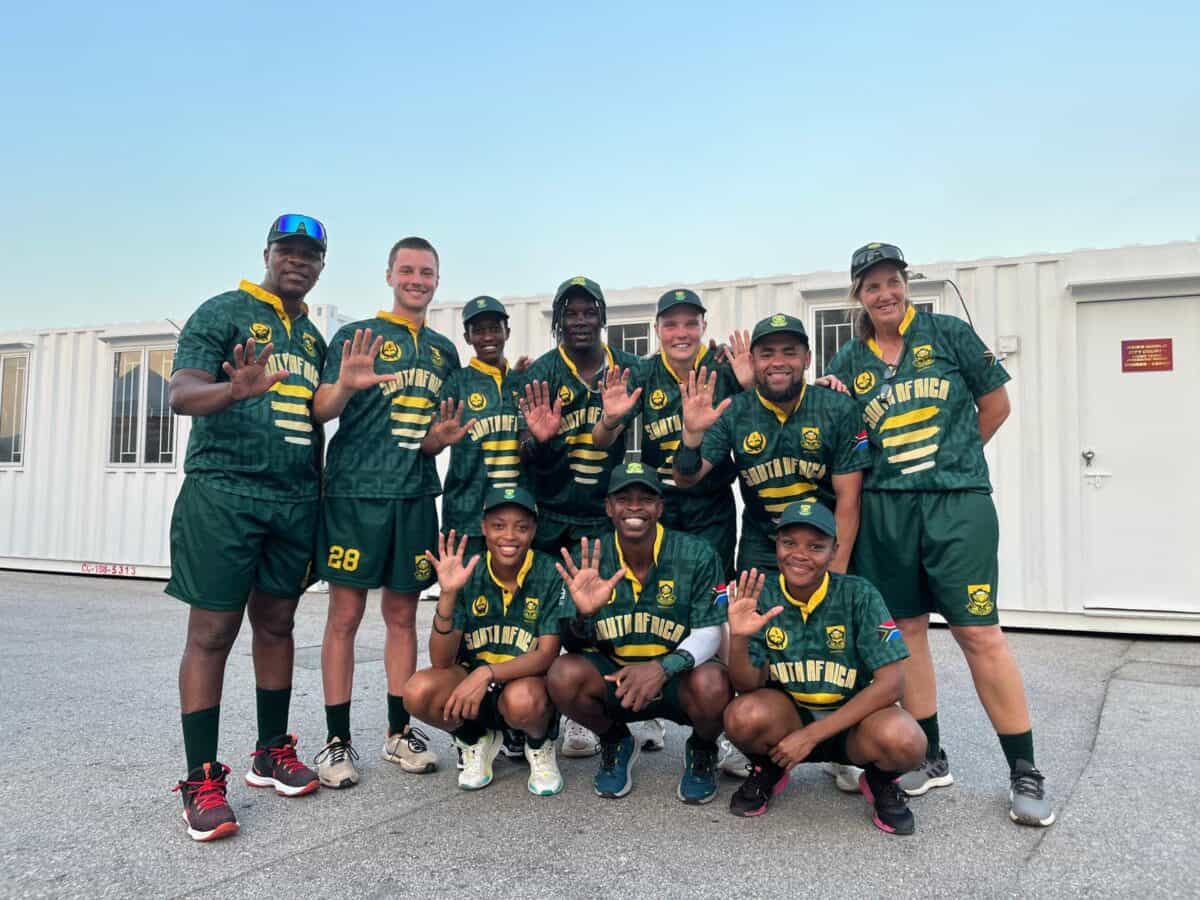
Despite the disadvantage, South Africa made history by qualifying for the inaugural Baseball5 World Cup.
Since 2022, South Africa has qualified for every Baseball5 World Cup, with the national team securing another place at this year’s tournament in Puerto Rico in December.
Like other minority sports such as basketball, karate and netball, the sport receives far less attention and corporate investment than established codes such as rugby, soccer and cricket.
‘Federal bosses are lazy’
Juma approached Minister of Sport, Arts and Culture Gayton McKenzie, but says he discovered that the department has tightened its purse strings.
In a media release in August, McKenzie called federation bosses ‘lazy’.
“People who don’t understand their job, and with no ideas on how to further their sport, think this is open season to run to the media to scream the name Gayton McKenzie, hoping it will get them attention, and perhaps even money,” he said.
The government’s Recreation Development and Sport Promotion programme has a budget of R1.341b for 2026/27. The allocation has to support about 60 national sport federations, as well as infrastructure and other sport development priorities.
“The demand for funding across those bodies is vast. The allocation available to meet those demands, however, is fixed, is voted for by Parliament, and administered in accordance with the Public Finance Management Act.
“It is important to remember that the core responsibility for ensuring the financial sustainability of a sport federation rests with the board elected to govern it. Federation boards are entrusted to draft sound business plans and develop commercial products capable of attracting corporate sponsors.”
Yes, Minister McKenzie
“Yes, Minister McKenzie, we did it all,” sighs Juma. “We knocked on every corporate door. We begged. We cried, but to no avail.
For many players, representing South Africa comes at their own expense. Even the national coach does the work voluntarily. “I don’t receive a salary. This is passion.”
Rugby, cricket and football attract the bulk of media attention, commercial investment and infrastructure, while smaller codes often struggle to secure the same opportunities.
Baseball5 is no exception.
Baseball5 has already hosted major international events, including continental qualifiers in Cape Town and regional qualifiers in Limpopo, but the tournaments received limited media coverage.
The South Africa Baseball Union is working to market the sport and attract sponsors, but the response from the corporate sector has not matched the ambitions of those driving its development.
Juma believes part of the problem is that minority sports have to compete for sponsorship against established brands with enormous commercial followings.
“Whenever people are sponsoring, they always ask you: What is our return on investment?” he says.
But he believes Baseball5 can offer sponsors something valuable precisely because it is still developing.
Its growth potential is enormous, he argues, while its accessibility makes it suitable for schools, communities, youth festivals and even corporate events.
Juma’s involvement in the sport extends beyond the national team. A baseball and softball coach with about 20 years of experience, he works with schools and clubs in Gauteng, including communities in Alexandra, Mamelodi, Atteridgeville and Palm Ridge.
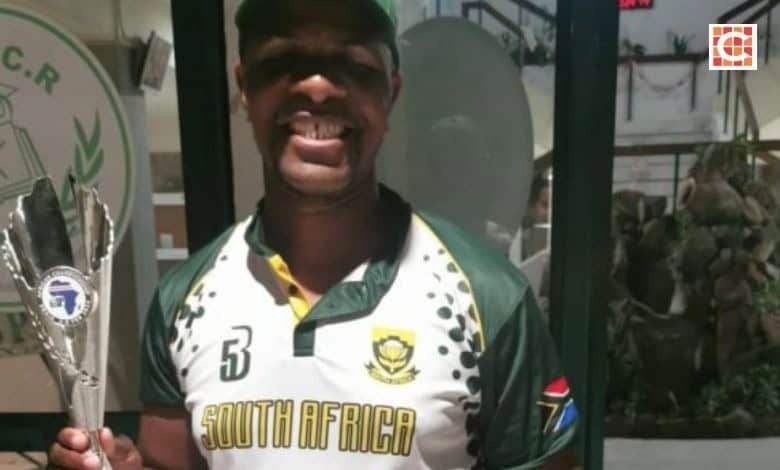
His focus is township development, using Baseball5 as an entry point into baseball and softball. The concept is simple: Teach children the fundamentals through Baseball5, then give those who want to progress the opportunity to move into traditional baseball or softball.
“You can teach all the fundamentals of baseball and softball through Baseball5 without equipment; with only a rubber ball,” he says.
Breaking down barriers
The sport also offers something that many traditional sporting codes struggle to achieve: Genuine gender integration.
A standard Baseball5 team consists of eight players, four male and four female, although local competitions can adopt different formats.
The mixed-gender structure is not simply about putting boys and girls on the same field. Juma believes it can help challenge attitudes about what boys and girls are capable of doing.
For young girls, he said, the sport can build confidence by showing them that they can perform on the field on an equal footing with boys. For boys, it teaches them to work alongside and respect female teammates.
He believes those lessons can contribute to addressing broader social problems, including GBV.
And Baseball5 is not only for children. His development programme includes a team known as the Golden Oldies, made up of women aged 45–65.
The appeal is part of what makes the sport so accessible: Players do not need to be elite athletes to participate.
Nationally, he estimates that between 2 000 and 3 000 people are already playing Baseball5.
The Baseball5 community has developed a curriculum-linked programme designed to complement life orientation, with the long-term goal of having the sport incorporated into the school curriculum.
For Juma, the potential is clear.
Give him the funding to establish clubs in a township and he believes he can rapidly build participation. “The biggest stumbling block is finance,” he said. “It’s not the people.”
The national U18 team is facing the prospect of having to fund its own trip to Botswana for a regional qualifier, while the senior national team needs to source significant funding to get to December’s world cup.
He warned that if well-established sports continued to receive the lion’s share of funding, less-established sports would remain marginalised.
His answer is simple: Give all sporting codes a fairer opportunity to develop.
Watch the video of a previous match here:
Breaking news at your fingertips… Follow Caxton Network News on Facebook and join our WhatsApp channel.
Nuus wat saakmaak. Volg Caxton Netwerk-nuus op Facebook en sluit aan by ons WhatsApp-kanaal.