Messy hands, bright minds: Why everyone is embracing sensory play
From caregiver and tots groups, to pre-school activities and birthday party entertainment, it seems like everyone is jumping on the messy and sensory play bandwagon.
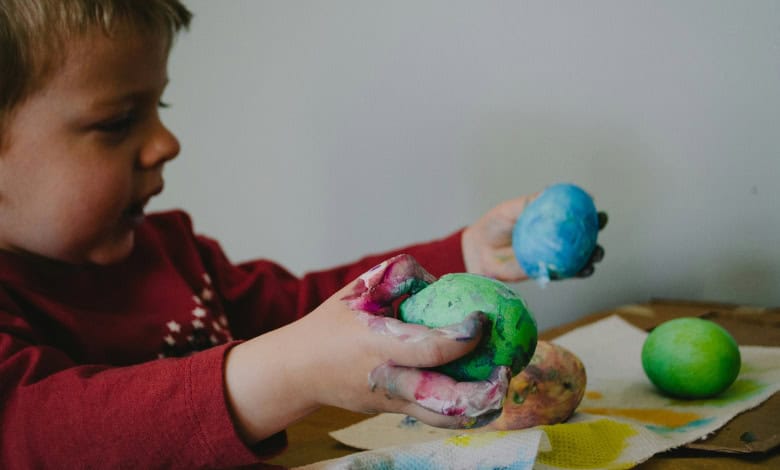
Even the “Momfluencer” crowd has embraced the aesthetic of bins and trays filled with dyed rice and canned chickpea juice foam. What was once considered a niche activity for therapeutic and educational interventions has now become mainstream – and for good reason!
Sensory systems activated
We are all sensory beings, navigating the world through our five “typical” senses: taste, touch, hearing, sight and smell. Messy play also activates other “hidden” senses, vestibular sense – sense of movement and balance and proprioception – understanding your body position in space. Our sensory systems form the true foundation for skill development.
The big benefits of messy play
Why is this trend taking over? Because the benefits cover multiple aspects of a child’s growth:
Pure fun: By nature, “play” should be joyful. Messy play is enticing and usually accompanied by the sounds of laughter and excitement.
Creativity unleashed: These opportunities are open-ended. With no “right” or “wrong” way to engage, the pressure is off. It’s unstructured exploration at its best.
Cognitive milestones: As they play, children naturally learn to strategise, problem-solve and explore new concepts.
Motor skill development: Messy play encourages large-scale, whole-body movements (gross motor skills) that strengthen muscles, improve balance and enhance postural stability. There is an opportunity to strengthen small hand/finger muscles (fine motor skills), encourage and improve hand-eye coordination through tactile exploration like squeezing, pouring and molding.
Social-emotional connection: It’s a space to cooperate and collaborate, building stronger relationships with both caregivers, educators and peers.
Language development: New textures and themes lead to new vocabulary and shared experiences that give children something to talk about.
Things to Think About Before You Start
| Age Appropriateness | Ensure the materials match your child’s developmental stage. |
| Interests | Follow their lead! If they love dinosaurs, bury dinosaurs in “mud” (cocoa powder and water) or rainbow sand. |
| Sustainability & Cost | Messy play doesn’t have to be expensive. Use low-cost household items like rice, flour or cardboard. |
| Safety First | Always check for allergies and ensure materials are taste-safe for little ones who still put everything in their mouths. |
| Tactile Defensiveness | Not every child loves the feeling of “goo”. If your child is hesitant, let them use a tool (like a spoon or paintbrush) until they feel comfortable using their hands. Or start with dry options before moving to wet and sticky. |
Messy play might mean a bit more laundry, but the developmental “clean-up” is well worth the effort. So, grab some cornstarch, add some water and get messy!
| Rainbow rice Best for: Pouring, scooping, and vibrant visual stimulation. | Moonsand Best for: Molding, squeezing and “dry” messy play. | Oobleck Best for: Exploring “non-Newtonian” fluids (it’s a solid when squeezed, a liquid when released). |
| Ingredients & Utensils: – white uncooked rice vinegar – food colouring – cup measure – teaspoon measure – plastic bag/ziplock – wax paper | Ingredients & Utensils: – flour/corn flour – oil/baby oil – food colouring (optional) – cup measure mixing – bowl – wooden spoon | Ingredients & Utensils: – corn flour – water – food colouring (optional) – cup measure – mixing bowl – spoon (if desired) |
| Method: Add 1 cup of rice to plastic bag. Add a few drops of food colouring, a teaspoon of vinegar, seal the bag and shake to mix. Once all the colour is evenly mixed, spread the rice out thinly on a sheet of wax paper to let it dry overnight. Store in an airtight container. | Method: Add 8 cups of flour to a mixing bowl. Add in 1 cup oil, mix with a wooden spoon until combined. Use your hands to knead and make sure all the flour is mixed in. Store in an airtight container. | Method: Add 2 cups of corn flour to a mixing bowl. Add in 1 a cup of water, mix the ingredients using your hands, adding more corn flour or water as necessary. Store in an airtight container. |
Content by Tamara Victor – Occupational Therapist at Bellavista School. For more info, visit www.bellavista.org.za