Cape heritage homes a huge hit with hospitality buyers and investors
Historic Cape Dutch homes are attracting strong investor demand, prized for their rarity, charm and lucrative potential in the hospitality and tourism market.
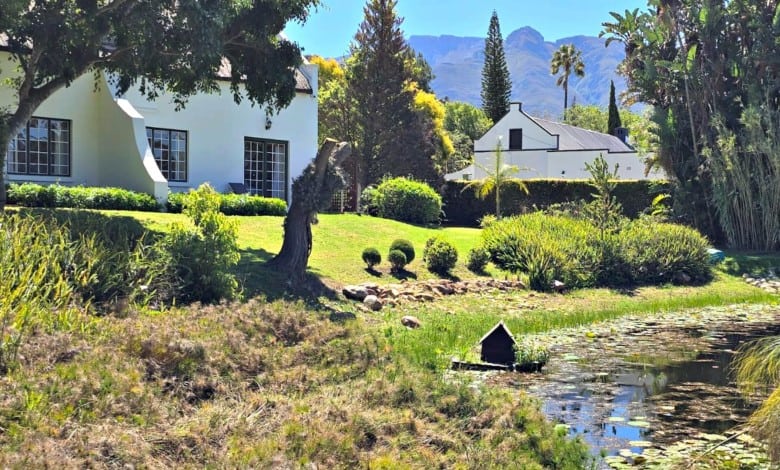
One of the unique architectural styles of the Cape, which is hugely popular with buyers and investors, is the Cape Dutch style. These are often sought as unique venues for guest houses, wedding venues, or restaurants, but also at times for offices or residential use, says Jaco Badenhorst, sales manager for Seeff Country and Karoo.
These beautiful properties are usually characterised by whitewashed gables, thatched roofs, and thick walls designed to combat the harsh climate. Most of these also offer some historic features such as wooden floors, sash windows, old fireplaces, and perhaps an interesting history which adds to the allure, he says.
For discerning buyers, the appeal of owning such a property often turns into a strong, lucrative market for lifestyle and commercial investment such as a guest house or boutique farm. Badenhorst says the intrinsic attraction and historical interest of these properties have driven significant demand, especially among local and international investors seeking unique income-generating assets.
One aspect of heritage properties which enhances the value is that they are regulated by the National Heritage Resources Act, and require permits from provincial heritage authorities for any renovations. This ensures the properties retain their historic value. These properties are also quite rare and seldom come onto the market, and when they do, tend to attract strong interest, he says. The architecture and history are often a key feature, as is the location which combine to make a compelling investment case, he says further.
Early settlement areas around the Cape, Winelands and Overberg tend to have the best-preserved examples of these properties. Badenhorst says prices tend to vary depending on the location, rarity, condition of the property, and general desirability. Generally though, buyers and investors are prepared to pay a premium for the opportunity to own such a unique, historic property.
Demand for such properties is often particularly pronounced in towns with historical charm coupled with modern convenience, and tourist attractions such as Swellendam. As the third oldest town in the country, established in 1745, it offers a particular charm. It boasts over 50 provincial heritage sites, including the iconic Drostdy Museum. This historical significance is also well balanced by its natural, scenic setting at the foot of the Langeberg Mountains.
Swellendam is midway between Cape Town and the Garden Route, about a 2.5 hours’ drive, and a popular retreat and stop-over. Aside from the historic attractions such as the Drostdy Museum, there are also natural attractions such as the Duiwelsbos Waterfall and Bontebok National Park, and the popular Marloth Nature Reserve hiking trails. These ensure a steady flow of local and international tourism, underpinning the viability of hospitality investments.
Badenhorst highlights that Swellendam is a solid bet for buyers and investors. It is mainly an agricultural and tourism town with a stable property market. The average freehold price is around R2.3m, with luxury homes generally ranging upwards of R5m to R15m, depending on the property. While the bulk of the sales are usually below the R3m-R4m range, about a handful of properties sell annually over R5m.
The town has a good mix of younger and older buyers, and is quite popular with retirees and families alike, offering good amenities and schools. It is also a popular tourist area with numerous hospitality establishments and popular wedding venues.
Issued by Gina Meintjes