Could your dream home expectations be narrowing your options?
It is recommended to focus on the best opportunities that exist within your budget.
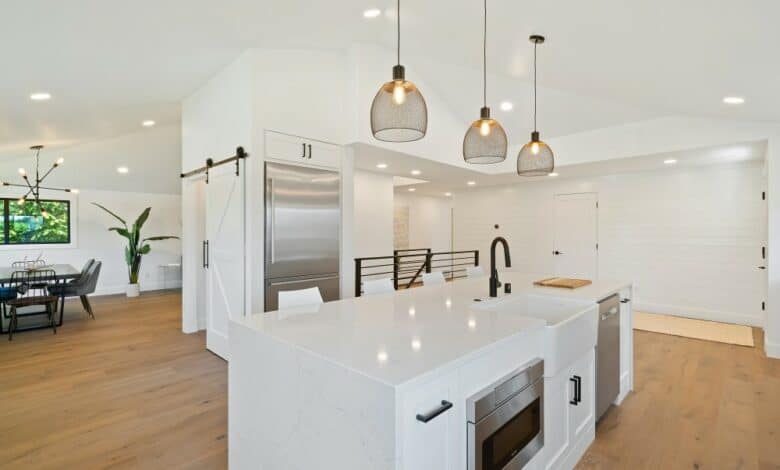
In markets like the Western Cape, where demand far exceeds supply, finding the right home isn’t always about waiting for the perfect property. It’s about knowing where to be flexible and expanding your search.
For many South Africans, buying a home starts with a clear image in your head of what you’re looking for, whether it is the ideal suburb, a modern kitchen, or perhaps even a mountain view. While there’s nothing wrong with having a wish list, buyers looking for property in some of the country’s most sought-after markets may find that holding out for a property that ticks every box might be preventing them from finding the right home.
“In competitive markets, buyers often have fewer properties to choose from, especially within specific price brackets,” explains Adrian Goslett, CEO and regional director of REMAX Southern Africa. “Instead of asking whether the perfect home is available, a better question might be whether your search criteria are allowing you to see the best opportunities that exist within your budget.”
This is particularly relevant in the Western Cape, where buyers are navigating one of the country’s most expensive property markets. According to the REMAX National Housing Report for Q1 2026, the province’s average sale price on the network reached R3,357,917 during the first quarter of the year, 72.1% higher than the average of R1,951,230 across the rest of SA.
With prices at this level, buyers are often faced with fewer options within their budget, particularly in high-demand suburbs where available stock is limited. As a result, being flexible on factors such as finishes, layout or even neighbouring suburbs can significantly increase the chances of finding a home that meets their long-term needs.
Goslett notes, however, that buyers shouldn’t necessarily lower their expectations, but rather prioritise what matters most to them. “One of the first things you need to ask yourself is: what are my non-negotiables, and what are my nice-to-haves?”
“Your non-negotiables should be the things that will genuinely affect your day-to-day life, such as location, budget, and security; things that are hard to change. On the other hand, nice-to-haves such as a newly renovated kitchen, or outdoor entertainment space are features that can often be improved over time,” he explains.
If you’re unsure where to start or are struggling to find a suitable property, reach out to a qualified property practitioner who can help you refine your search, identify opportunities, and navigate the purchasing process with more confidence.
Issued by Kesia Cloete