Data shows South African women are driving property wealth creation
Female investors are taking calculated risks and looking beyond physical property to build long-term financial independence.

More South African women are moving beyond buying their first homes to take their next steps up the property ladder.
New FNB data tracking home-buying trends between 2015 and 2025 shows that repeat buyers accounted for 51% of female home-loan applications in 2025, the first time in a decade that repeat buyers have outnumbered first-time buyers.
The shift comes as more women move into higher-value properties. The proportion of women buying homes worth more than R1m has doubled over the past decade, rising from 21% to 42%.
Financial sophistication driving property moves
According to home and structured lending product head at FNB Vanashree Naidoo, the decade-long trend points to something more significant than increased access to homeownership. “The most compelling story in the data is one of progression. More women are not only entering the property market, but they are also staying invested in it, purchasing additional properties and steadily building wealth over time.
Naidoo says this points to a meaningful shift in behaviour. “Homeownership is increasingly being viewed not just as a milestone, but as a strategic tool for long-term financial security, wealth creation and asset accumulation.”
A wealth advisor echoes this sentiment.
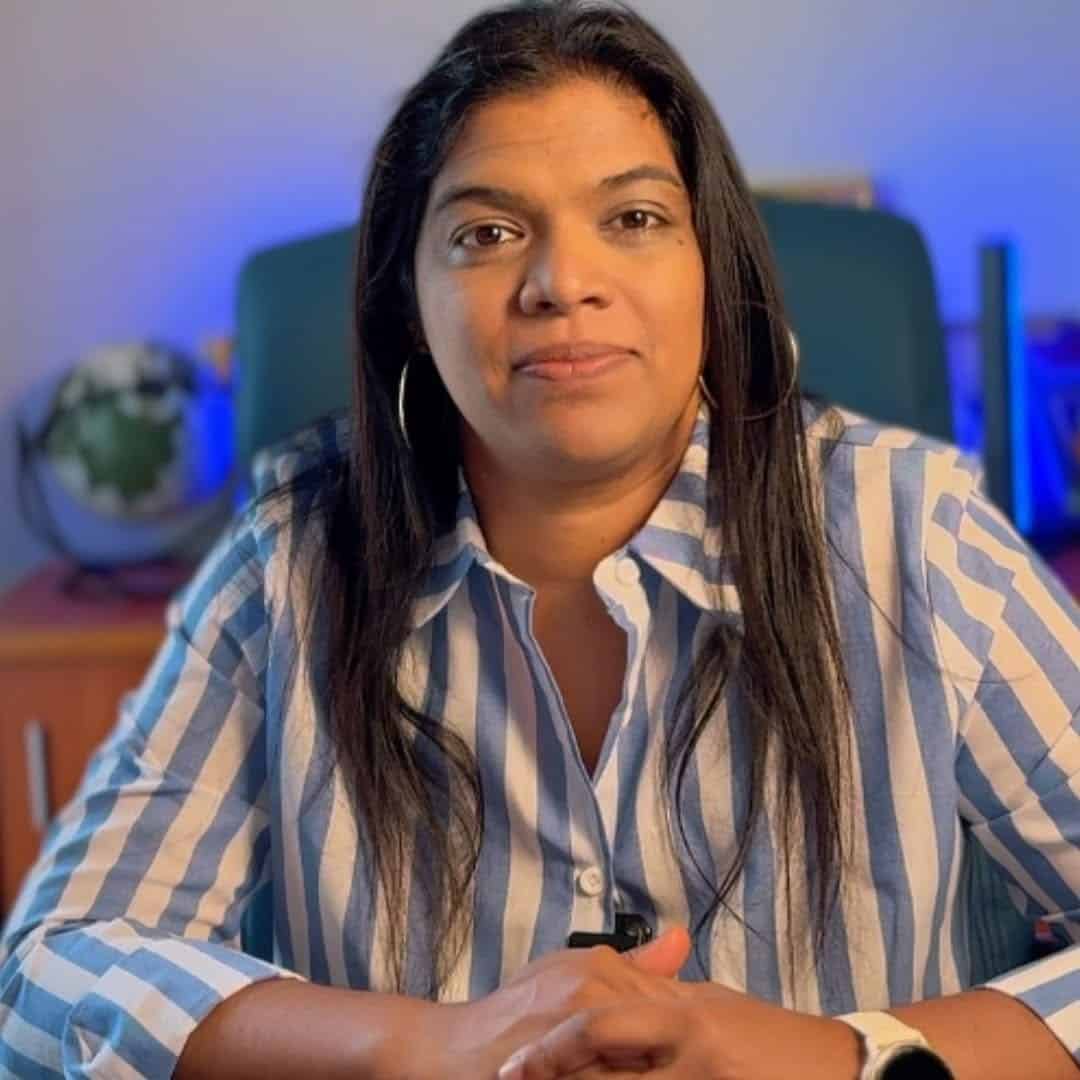
“Women are becoming much more sophisticated investors,” says Solomon Wealth director and wealth advisor Yolanda Haripersad. She believes greater access to education, professional careers, businesses and financial services has helped women become more confident about making investment decisions for themselves.
It’s not just about earning money anymore. “Women are becoming much more intentional about what they do with that money, how they invest it and how they use it to create long-term financial independence.”
For women who already own a home, the prospect of buying a second property can be tempting, particularly if it could generate rental income or appreciate in value.
But Haripersad cautions against assuming that every second property is automatically a good investment.
“Not every woman wants a property portfolio, and not every woman has the aptitude or the desire to manage one,” she says.
Before buying another property, women need to consider their individual circumstances, risk appetite and long-term financial goals.
“Property can be a fantastic wealth-creation vehicle but you’ve got to think beyond the property itself,” Haripersad says.
That means looking beyond whether you can afford the monthly bond repayment.
Potential landlords also need to consider tenants, maintenance, municipal costs, taxes and the ongoing responsibility of managing a property.
“The real question is whether you’ve structured the investment correctly and whether property is actually the right wealth-building vehicle for you,” Haripersad adds.
Looking beyond physical property
The FNB data also shows that more than half of female-only property purchases between 2015 and 2025 were made without bond finance, suggesting that some women are using accumulated savings, proceeds from previous property sales, inherited assets or other capital to buy property.
But building wealth does not necessarily mean owning multiple physical properties.
Haripersad points to a range of other options, including shares, listed property investments and offshore investments, depending on an individual’s goals and appetite for risk.
“Property is one. But then you also have listed property, where you can essentially become a paper investor in property,” she says.
For women who are considering their first investment beyond their home, this is an important distinction.
The goal should not simply be to accumulate properties, but to build a diversified financial future that works for their individual circumstances.
Repayment performance outpaces earnings gap
Despite womenearning an average of R5 431 less per month than male first-time buyers, women allocated around 22% of their income to bond repayments, compared with 20% for men.
“Women often enter homeownership with less disposable income, which means affordability remains a very real consideration. What is particularly noteworthy, however, is how consistently they meet their repayment obligations. Despite often carrying a slightly higher repayment burden relative to income, the data points to strong financial discipline and prudent money management.
Naidoo says it reinforces what we’ve seen over time: Women tend to approach homeownership with a long-term mindset, carefully balancing affordability with commitment. “This resilience and consistency not only support sustainable homeownership outcomes but also strengthen women’s position as some of the most responsible borrowers in the market,” adds Naidoo.
For Haripersad, the bigger story is not simply that women are buying homes.
It is that women are becoming more engaged with their money and increasingly thinking about how their assets can work for them over the long term.
Her advice to women considering property as part of their wealth strategy is simple: Don’t buy a property just because you can afford the bond.
“Your home should give you more than a roof over your head. It should be part of a bigger financial strategy.”
And perhaps the best way to sum up the shift is in her final observation: “The house is the vehicle. Your financial intelligence is the driver.”
Breaking news at your fingertips… Follow Caxton Network News on Facebook and join our WhatsApp channel.
Nuus wat saakmaak. Volg Caxton Netwerk-nuus op Facebook en sluit aan by ons WhatsApp-kanaal.