City buyers eye lifestyle farms for R6m-R8m
Looking to invest in a lifestyle farm within a few hours of Cape Town? Advice on financing agricultural land.
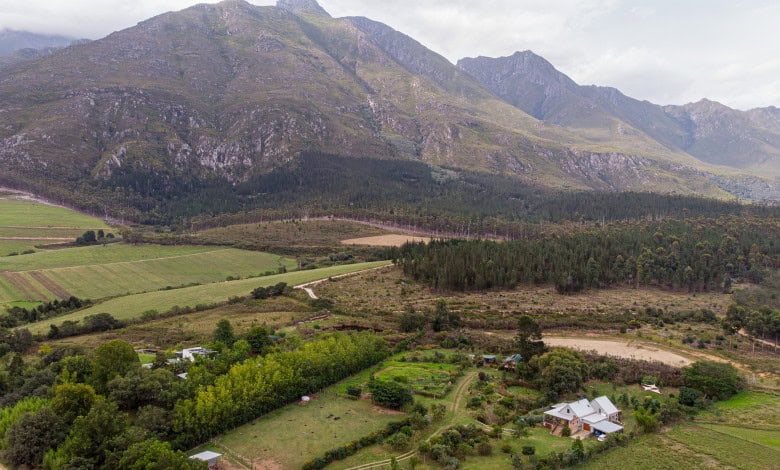
We are seeing a significant increase in demand for lifestyle farms in the R6m to R8m price range. Particularly from buyers seeking sustainable country living within easy reach of Cape Town, says Jaco Badenhorst, principal of Seeff Country.
The ability to invest in a lifestyle farm within about three hours’ drive from Cape Town is particularly attractive for urban buyers looking for a weekend retreat or extended stays. He says areas such as the Klein Karoo, Overberg, Barrydale, Montagu, Swellendam, and surrounding farming regions have become particularly sought after.
A key requirement among buyers is reliable water availability. Whether for household use, small-scale farming, orchards, livestock, or simply maintaining a self-sufficient lifestyle, access to a secure water source remains one of the most important purchasing considerations. Buyers are also prioritising properties with good road access, allowing for convenient travel without the challenges associated with remote or difficult-to-reach farms.
Interestingly, many of these purchasers are choosing lifestyle farms instead of traditional holiday homes at the coast, he adds. Rising coastal property prices, increasing municipal costs, and a desire for greater self-sufficiency have encouraged buyers to consider rural alternatives. Modern solar-powered systems, off-grid capabilities, and low-maintenance farm infrastructure have made country living more practical and appealing than ever before.
These lifestyle farms offer owners the opportunity to enjoy open spaces, privacy, outdoor recreation, and sustainable living while retaining the flexibility to generate supplementary income through small-scale agricultural activities.
He adds that the value on offer is superb when compared to what you can buy in Cape Town for this price range or in the coastal towns. For R6.36m you can get a 250ha farm in Middelburg Rural with a new double-storey house, swimming pool, gym, shooting range, storerooms, sheds, and enough ground to run a few sheep, cattle or maybe some horses, along with spectacular views and sunsets.
For R11.5m you can find an off-grid smallholding at the foot of the Langeberg Mountains in Swellendam’s Hermitage Valley with a main residence, guest cottage, natural swimming dam, organic food forest, chicken coop for fresh eggs, ducks, peacocks, abundant birdlife, horses, and income-generating equestrian facilities, offering sustainable lifestyle living with panoramic mountain views.
Prospective buyers should, however, understand that financing agricultural land differs significantly from financing a conventional residential property or second home. Most commercial banks view agricultural properties as specialised assets and therefore apply different lending criteria.
Buyers should expect to provide a deposit of approximately 50% of the purchase price when financing agricultural land. In addition, loan repayment periods are typically shorter than residential home loans, usually ranging between 10 and 15 years. These requirements mean that purchasers need to plan their financing carefully and engage with lenders early in the buying process.
Despite the stricter financing requirements, demand for lifestyle farms remains exceptionally strong, says Badenhorst. Buyers continue to recognise the long-term value of owning productive land, securing water resources, and creating sustainable family retreats that can be enjoyed for generations to come.
For sellers of well-located lifestyle farms with reliable water and good access, current market conditions present an excellent opportunity to attract qualified buyers seeking their own piece of the countryside, he concludes.
Issued by Gina Meintjes