Plants that mimic fashion, or is it the other way around?
Large-leaved plants are the fashionistas of the indoor plant world. At least, that’s what the garden trendspotters say.
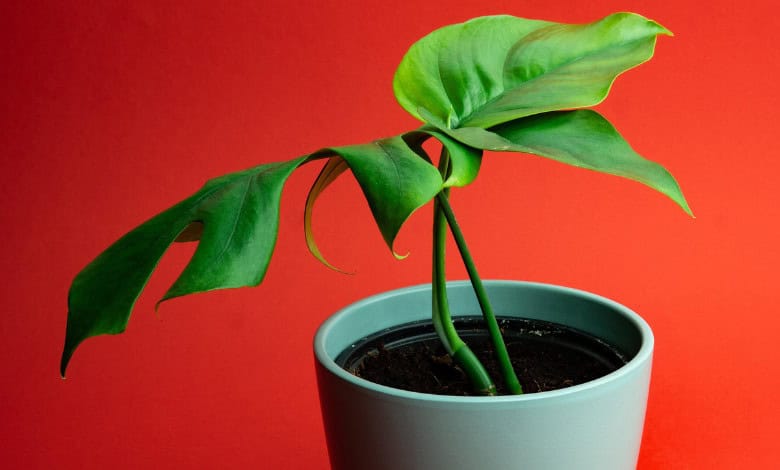
Nature has always been an inspiration for designers. The latest ‘cut out’ look favoured by hot Hollywood stars may just echo the large leaved ‘fenestrated’ indoor plants like Monstera Deliciosa and the split leaf philodendron.
In their 2025 Garden Trends Report the Garden Media Group observe that ‘parallel to this fashion trend is an interest in plants that mimic these aesthetic choices.’
They cite a 600 % increase in searches for Monstera deliciosa on Google and link it to the popularity of ‘statement plants’ for interiors. Not only Monstera and split leaf philodendron but other indoor plants with dramatic elongated leaves, which can include Alocasia, more commonly known as elephant ears.
Even our own Strelitzia Nicolai commonly known as the wild banana or giant white bird of paradise that grows into a massive plant outdoors is being tamed and potted as an indoor plant.
What sets these plants apart is that they are all feature plants with strong leaf patterns or textures that become more accentuated as they mature.
Did you know? The term, ‘fenestration’ is applied to plants with perforated leaves or with holes in their leaves.
Monstera’s timeless appeal
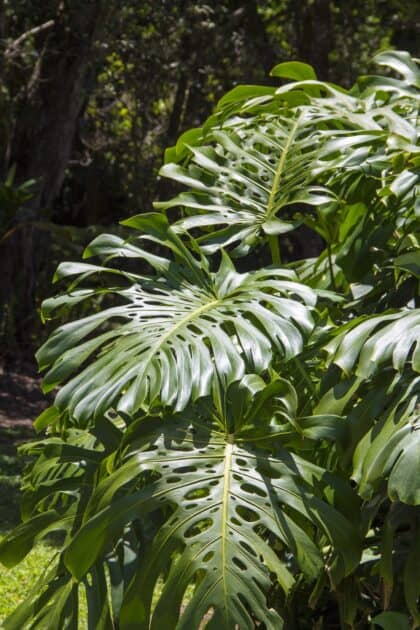
Delicious monsters came into favour in the 1960’s and despite a temporary decline in houseplants generally, it has maintained its popularity. Monstera deliciosa, to give its correct name, heads the list of Instagram favourites and you’ll find the pattern of their leaves replicated on fabrics, clothing, wallpaper and even crockery.
They can grow into huge monsters or trimmed to be more manageable. For the best effect though, give them space to grow and show off their magnificent leaves. They grow best with bright, indirect light. Water once a week in summer to keep the soil lightly moist. Keep the leaves clean and glossy by misting them regularly, especially to minimise the dust indoors. Feed with a liquid fertiliser every now and then in summer.
Split leaf Philodendron – all in the family
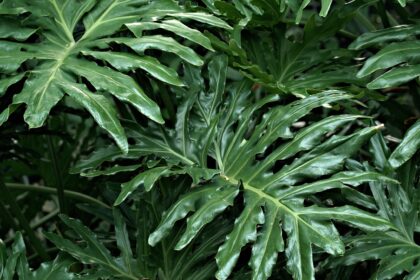
This philodendron has leaves that match the monstera in size and appeal, although the leaves have a more serrated appearance, with each serration looking like elongated fingers.
They are easy to grow, low maintenance plants that thrive in semi shade in tropical gardens as well as indoors in a position that receives medium to bright indirect light. Keep the soil moist but not soggy, otherwise the roots may rot. Rather let the soil dry out moderately before watering. During very dry conditions provide some additional humidity by spritzing the leaves.
For smaller spaces there is the mini philodendron ‘Shangri-La with smaller lobed leaves and a dense, bushy shape. The lush, glossy green leaves make it an attractive home-office, house, and patio plant and it likes the same growing conditions as its larger version. Fertilise lightly once a month in spring and summer.
Alocasia – part of the big four
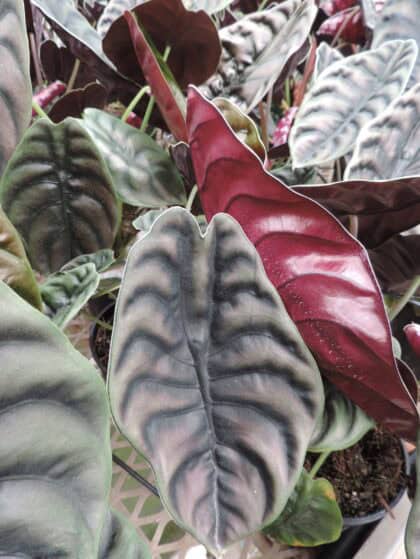
Alocasia’s are commonly known as elephant ears because of their large smooth leaves, although there are many intriguing variations.
All varieties tolerate medium light but prefer bright indirect light and a warm, humid room. Keep the soil moist but not soggy. Rather underwater than over water. A good idea is to let the top 5cm of soil dry out before watering. Keep the plants looking good by applying a liquid feed once a month in summer.
Alocasia Red Secret is a most unusual variety and likely talking point. The upper side of the heart-shaped leaf has a metallic, bronze glow, but its ‘secret’ is the burgundy red under leaf. It is easier to grow than it looks and its strong point is that it adapts to different light conditions, growing faster with bright light and slower with low light.
Fiddle leaf fig
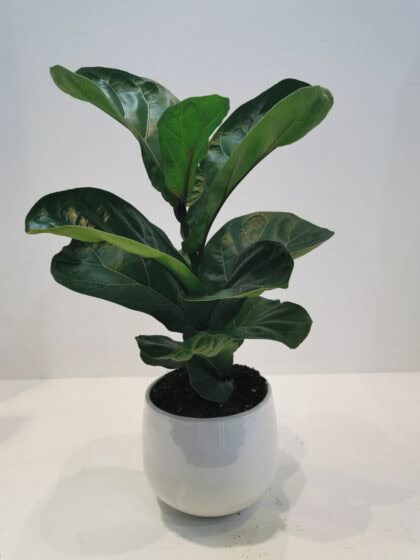
Fiddle-Leaf Fig Tree (Ficus lyrata)
This Ficus is in a class of its own, with large, leathery leaves that resemble a fiddle, or so they say. It is a theatrical plant for large spaces or minimalist interiors. It likes a warm, bright room and moist, but not soggy soil.
For a balanced plant, rotate the pot every few days and as it grows provide a stake to support the stem. Dust the leaves once a week to keep them looking good and feed with a liquid fertiliser at half strength once a month in summer.
Strelitzia Nicolai (Giant bird of paradise)
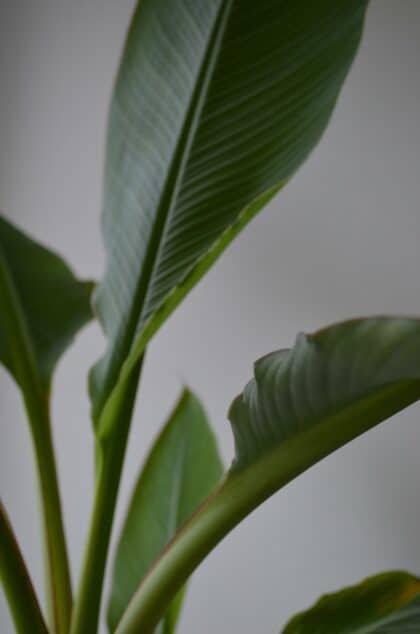
Also known as Natal Wild Banana, Strelitzia Nicolai has striking elongated leaves that resemble the leaves of banana plants. As an indoor plant its size can be constrained by keeping it in a smaller pot.
As an indoor or patio plant it grows best with bright indirect light and will tolerate some filtered sunlight. Allow the soil to dry out moderately before watering and feed once a month with liquid fertiliser in summer. Trim off the dead leave from the base to keep it looking neat. For further information visit LVG Plant.
Article and images supplied by Alice Coetzee.
For more on gardening, visit Get It Magazine.