Winter fragrance: Grow your own sweet peas
What’s there to like about sweet peas? The answer is fragrance, fragrance and fragrance!
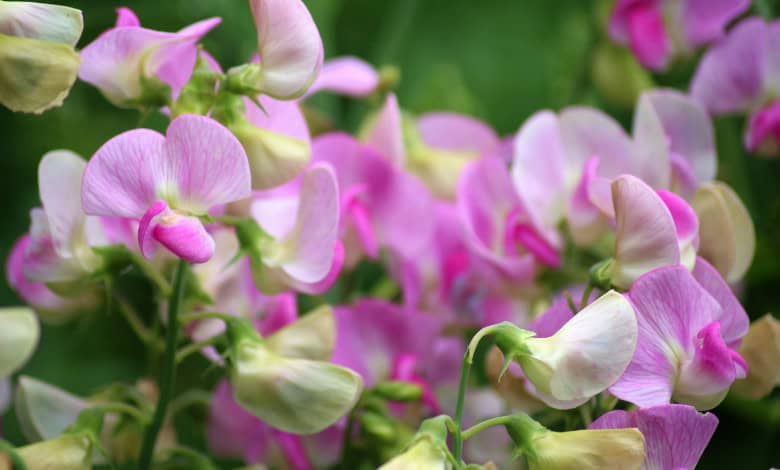
Sweet peas have an irresistible perfume and every winter garden should have these wonderful scented, free flowering varieties. If sown this month, sweet peas should start coming into flower in June. Make a second sowing in April for another flush of flowers in spring.
Bush or climbers?
The climbing varieties provide the best cut flowers while the bushy varieties make a show in the garden.
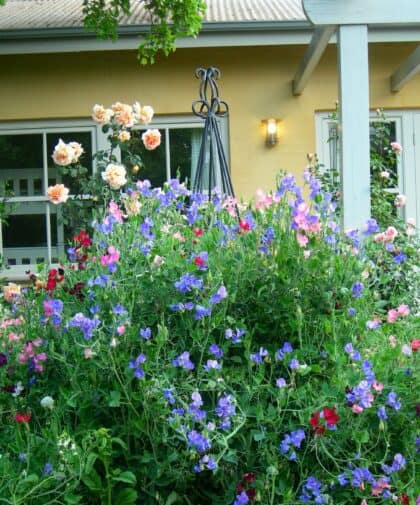
Mammoth Choice’ is an early flowering, climbing sweet pea. The large, scented flowers in shades of lavender, blue, rose pink, salmon pink, white and burgundy are carried on strong stems and are wonderful as cut flowers.
This climbing variety withstands heat and drought unusually well. It is good for training along a wire fence, trellis, or up an obelisk as the stems grow 1.5 to 1.8 m in length so support is required.
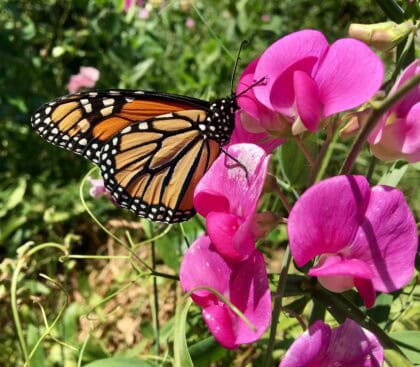
Sweet pea Bijou Mixed is a dwarf variety, with brightly coloured, scented flowers on long stems. They are a source of nectar and pollen in winter and spring, which is a lean time for bees and butterflies.
Their bushy habit makes this variety ideal for containers and edging.
Sweet peas grown in a container need a fertile potting mix, with added compost, and a slow release fertiliser. Pots should be at least 40cm deep. A position with full morning sun and afternoon shade is ideal.
What sweet peas want
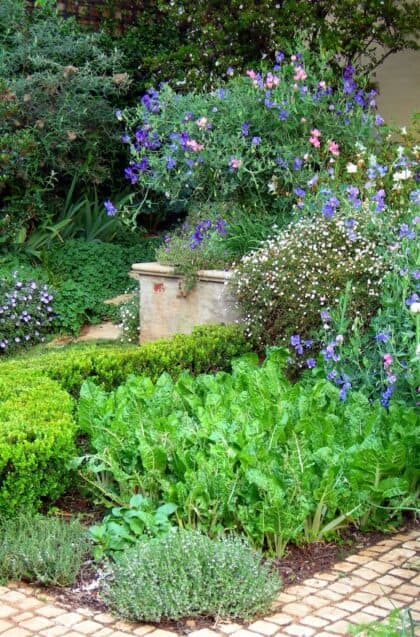
Sweet peas grow best with their heads in the sun and their roots in cool, fertile, well mulched and moist soil. Shade their roots with a border of winter annuals, veggies or herbs.
The best place to grow sweet peas is on a slight slope. Slopes provide better drainage, especially in winter rainfall gardens.
Because the roots of climbers go deep make a trench 50cm deep. Take the soil out and mix it with compost and a sprinkling of lime. Sweet peas need iron in the soil to really perform well so sprinkle iron chelate at the bottom of the trench, add some bone meal for root development, and then fill in the trench with the composted soil.
Dwarf sweet peas can be planted in a well composted bed, worked over to a depth of 30cm (a spade’s depth) but for really spectacular results prepare the soil as you would for climbing sweet peas.
Sowing tips
- Speed up germination by soaking the seeds in water for 24 hours before sowing. If any of the seeds have hard coats chip the hard seed coat opposite the ‘eye’ (small, round scar) using a sharp penknife or nail file to help moisture entry and germination.
- Sow seed at the recommended depth, and keep moist during germination, which takes about 14 days. As the seedlings emerge and grow, gradually fill up more soil around them.
- Two weeks after germination water them with a liquid fertiliser, like Margaret Roberts Supercharger to encourage strong growth.
- Thin out the seedlings to 15cm apart when they are about 10cm high. The climbing varieties can be pinched back above the second or third pair of leaves to encourage side shoots. Allow only two of the new stems to develop.
Growing on
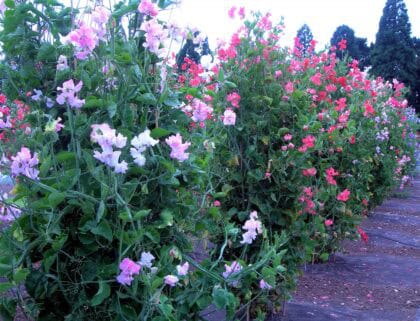
Once plants are established water once a week, and apply a liquid fertiliser, like Margaret Roberts Organic Supercharger, every 10 days when plants are in full bloom.
Removing spent blooms will increase flower production. To prevent fungus infections spray with Copper Count N.
In warm winter gardens plant a border of low growing annuals like alyssum, lobelia, pansies or violas in front of the sweet peas to shade their roots.
The more you pick the more your sweet peas will flower as the plants puts their energy into making new flowers instead of going to seed. Harvest the stems when the lowest blossom is just beginning to open. For more information visit www.kirchhoffs.co.za
Article and images supplied by Alice Coetzee.
For more on gardening, visit Get It Magazine.