Canola oil: 4 common myths busted
This myth buster will challenge everything you thought you knew about canola oil.

Keeping up with the latest in food, knowing what’s healthy and what’s not, and what’s fake news and what’s the truth can be quite overwhelming. So let’s start with one of the staples in most of our homes – canola oil: good or bad? Find out here…
Myth 1: Canola oil is unhealthy
Canola has the lowest saturated fat content, is high in cholesterol-lowering mono-unsaturated fats, and is the best source of omega-3 fats of all oils. It is also of such a superior nature that CANSA has recognised the product as a ‘Smart Choice’ because it contains up to 12% omega-3 fatty acids, an excellent omega-6 to omega-3 fatty acid ratio of 2 to 1 and can reduce the production of molecules and substances linked to inflammation.
Myth 2: Canola oil is genetically modified
In a time, where GMO food products raise controversy among the public, it’s reassuring to know that ALL the canola crops in South Africa are grown from non-GMO seeds.
Pressed canola oil and seeds in South Africa consistently undergo GMO screening for verification purposes in adherence to requirements.
Myth 3: Canola oil is highly refined
Cold pressed oils are subjected to a different processing technique compared to refined oils. However, there is no difference in their fatty acid profiles so whichever you use, you are likely to get the cardiovascular benefit.
The refining process is merely to remove any odours and impurities such as, free fatty acids and phospholipids, mucilaginous gums, colour pigments and fine meal particles. The only major nutritional difference evident from the two different techniques is that during the refining process; some of the vitamin E content is removed.
Myth 4: Canola oil is bad for cooking
Canola oil can be used for cooking at high temperatures as it has a high smoking point (the point at which an oil is heated too much and produces an unpleasant smell and taste as well as compromising nutritional quality).
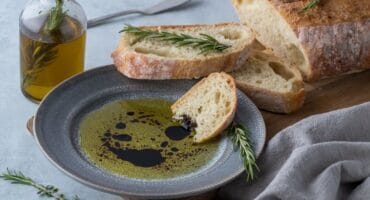
Oils that have a low smoking point are, for example, olive oil and hence these should be used preferably in foods that require cooking at low temperatures or in foods that can be eaten cold (salad dressings).
For more information, visit Banhoek Chilli Oil Company.
For more on health and food, visit Get It Magazine.