Motorists urged to watch for black ice as freezing weather hits SA
Drivers are advised to check vehicle tyres and brakes before travelling as freezing temperatures create dangerous road hazards across high-lying routes.
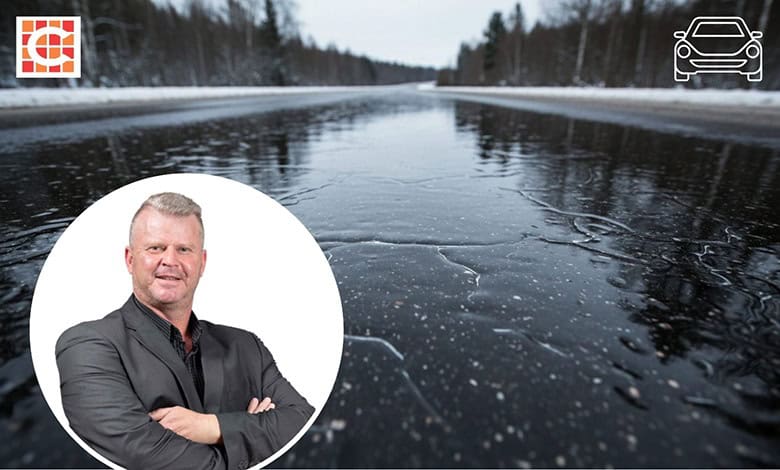
Motorists face hazardous driving conditions as a cold snap brings snow, rain and icy roads to parts of South Africa, with drivers urged to take extra care when travelling through high-lying areas and during the coldest hours of the day.
The warning comes as the South African Weather Service issues alerts for very cold conditions, disruptive rainfall and snowfall in several parts of the country, raising the risk of slippery roads and dangerous conditions on mountain passes.
Dewald Ranft, the chairperson of the Motor Industry Workshop Association, an association of the Retail Motor Industry Organisation, says motorists should not underestimate how quickly winter weather can turn a familiar road into a hazardous one.
“Road conditions can deteriorate very quickly when rain, snow and freezing temperatures combine. One of the biggest risks is black ice because it can be extremely difficult to see. The road may simply look wet, when in fact it is covered by a thin layer of ice.”
Ranft notes that black ice can form when temperatures fall below freezing, particularly on bridges, overpasses, shaded sections of road and exposed or high-altitude areas. Although more commonly associated with countries that experience prolonged freezing conditions, it can occur in South Africa during severe cold spells, particularly in inland and high-lying regions.
Where the risk is highest
Ranft advises motorists to be particularly cautious on bridges and overpasses, which can freeze before other road surfaces, as well as shaded sections where temperatures remain lower.
Mountain passes and other high-altitude roads also require extra caution, particularly after rain, sleet or snow has been followed by freezing temperatures.
Motorists should also be wary of roads that appear wet but produce little or no spray from other vehicles, as this could indicate the presence of ice.
The risk is generally higher during the early morning and late evening when temperatures are at their lowest.
“If you see frost on your windscreen, don’t assume that the road is simply wet. It is a warning that icy conditions may also be present on the road, particularly in exposed or shaded areas.”
What to do on icy roads
If motorists suspect they are driving on ice or another slippery surface, Ranft says remaining calm and avoiding sudden movements are critical.
Drivers should reduce their speed gradually, avoid harsh braking, acceleration or sudden steering and increase their following distance significantly.
Headlights should be used when visibility is poor, while cruise control should be avoided on icy or slippery roads.
Motorists should also monitor official weather and road-condition warnings, particularly when travelling through mountain passes. If conditions become dangerous, Ranft advises finding a safe place to stop rather than continuing unnecessarily.
“On an icy surface, sudden braking or steering can cause the vehicle to lose grip very quickly. The key is to reduce your speed, increase your following distance and make all your inputs as smooth as possible.”
Snow and rain add to the danger
Snow and heavy rain bring additional risks, including reduced visibility, slippery surfaces and standing water, all of which can affect a vehicle’s ability to maintain traction.
“Motorists also need to be aware of standing water and reduced visibility during heavy rain. Worn tyres can make these conditions considerably more dangerous because they may not be able to disperse water effectively.”
Motorists should avoid driving through deep or fast-moving water wherever possible and should not assume a familiar route is safe simply because they have travelled it many times before.
Check your vehicle before leaving
Ranft says preparing the vehicle before setting out is equally important when severe winter weather is forecast.
“Your tyres, brakes, lights and windscreen wipers are your first line of defence when roads are wet, icy or visibility is poor. If any of these are not performing properly, the risk increases considerably.”
Tyres deserve particular attention, with correct tyre pressure and sufficient tread essential for maintaining grip and dispersing water on wet roads.
Plan ahead
Ranft urges motorists to check weather and road conditions before setting off, allow extra travelling time and avoid unnecessary journeys when conditions deteriorate.
“If snow, ice or heavy rain is making conditions unsafe, delaying a journey may be the safest decision you can make,” he says.
Motorists travelling longer distances should also ensure their phones are charged, have sufficient fuel or battery charge and tell someone their route and expected arrival time.
“Winter weather doesn’t give you much room for error. A few minutes spent checking your vehicle and the road conditions before leaving can make a significant difference to your safety.”
Breaking news at your fingertips… Follow Caxton Network News on Facebook and join our WhatsApp channel.
Nuus wat saakmaak. Volg Caxton Netwerk-nuus op Facebook en sluit aan by ons WhatsApp-kanaal.