Lifestyle
Why good hand-eye co-ordination gives your child a head start in life
Here’s why hand-eye co-ordination matters more than you think — and how to build it.
From catching a ball to holding a pencil, hand-eye coordination is one of the quiet superpowers behind a child’s development. Yet it’s often overlooked – until struggles with reading, writing, or sports begin to show. Start developing this skill from an early age to reap these benefits:
- Improved fine motor skills: Enhances dexterity, precision, and control in hands and fingers.
- Better academic and sports performance: Supports skills like writing, drawing, and maths. Outside the classroom, it is also crucial for activities like catching, throwing, and hitting as it develops quick responses to visual cues, while improving balance, agility, and physical fitness.
- Increased confidence: Develops self-assurance in performing physical tasks.
- Better hand function: Supports daily activities like dressing, feeding, and grooming.
- Improved cognitive development: Integrates visual and motor skills, promoting brain development.
- Enhanced creativity: Fosters artistic expression and imagination.
- Develops problem-solving skills: One of the greatest hand-eye coordination benefits for children is the encouragement of critical thinking and adaptability.
Hand and Eye Coordination Activities for Children
Engage your child’s senses and develop their eye-hand coordination with these fun and interactive fine motor activities for toddlers.
Designed to improve dexterity, precision, and control, these exercises will help your child master essential skills for daily life, academics, and creative pursuits.
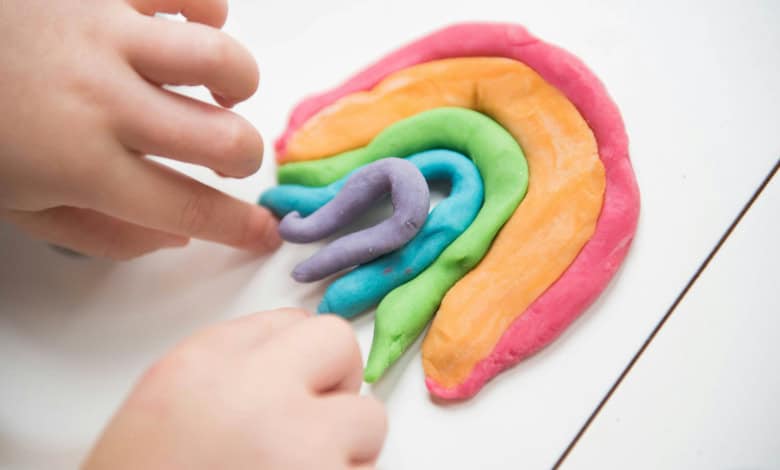
- Playdough creations: Manipulating playdough helps develop hand strength and finger dexterity. Encourage children to create shapes, animals, or objects using playdough.
- Finger painting: Finger painting is an excellent way to improve eye-hand coordination while fostering creativity. Children can paint using their fingers, exploring different colours and textures.
- Puzzles and play: Jigsaw puzzles, shape sorters, and playsets that require manipulation of small objects help develop problem-solving skills and eye-hand coordination.
- Drawing and colouring: These activities enhance fine motor skills development, hand-eye coordination, and creativity. Encourage children to draw shapes, objects, or scenes using various tools like crayons, markers, or pencils.
- Buttoning and zipping: Practising buttoning and zipping helps develop finger dexterity and hand-eye coordination. Use clothing or toys with buttons and zippers for children to practice.
Content by Twinkl.
For more on kids, visit Get it Magazine.