How to choose the right type of wood for your DIY project
Whether you’re building a cupboard, a deck or putting in a new floor - choosing the right wood for the job makes all the difference. Here’s why.
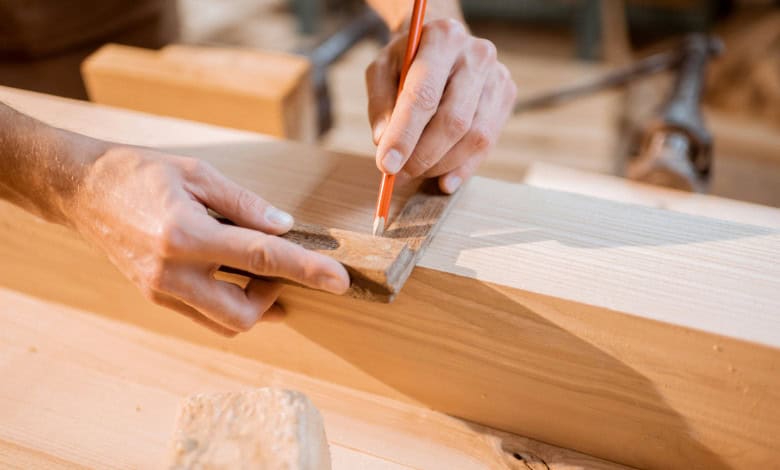
Before you start sawing, sanding or staining, here’s what you need to know to pick the perfect wood for your next DIY project.
What is Timber?
Timber is building in its purest form. Straight from the tree, sawn into planks or beams, and ready to shape into something lasting. Pine is the everyday hero in South Africa, affordable and easy to work with. Hardwoods like oak and saligna are the heavy-hitters – strong, durable, and beautiful in ways only natural wood can be.
Timber has a few undeniable perks:
- It lasts
- It can be repaired or refinished
- It carries that natural warmth no man-made product can truly imitate
From a roof truss, a deck, to a dining table, timber brings character along with muscle.
What is Engineered Wood?
Instead of cutting planks straight from the log, it’s made by pressing wood fibres, veneers, or chips into sheets. Think plywood, MDF, chipboard, and laminated boards. By reworking the raw material, engineered wood stays stable where solid timber might warp, and it stretches the budget further too. It’s also:
- Easy to cut,
- Easy to work with
- Easy to replace if you make a mistake (happens to all of us)
The trade-off? It doesn’t always have the long-term strength of solid timber, and moisture is not its friend. But for cabinetry, shelving, or decorative finishes, it often ticks every box.
Engineered wood brings plenty of advantages to the table, but it also has its drawbacks. Here’s a balanced look:
Pros
- Cost-effective compared to solid timber.
- Stable and less likely to warp or shrink.
- Wide variety of finishes for different looks.
- Easy to work with for DIY and professional projects.
Cons
- Can’t be sanded and refinished multiple times.
- Shorter lifespan in high-traffic or heavy-use areas.
- Vulnerable to moisture if not properly sealed.
Engineered wood works brilliantly for indoor furniture, cupboards, and decorative finishes where style and affordability matter. For outdoor projects or long-term durability, solid timber may still be the better option.
- Building a deck? Go with solid timber.
- Putting up cabinets or shelving? Engineered wood will save you money and hassle.
- Flooring? That’s a toss-up depending on your budget and expectations.
Put simply, timber brings strength and soul. Engineered wood delivers practicality and price. Here’s how they stack up when you’re weighing one against the other:
- Strength: Timber wins when it comes to heavy lifting. Engineered wood is best for decorative or light-use jobs.
- Cost: Engineered wood usually costs less, which means more material for your money.
- Sustainability: Both can be eco-friendly. Solid timber should be certified, while engineered wood squeezes maximum use out of each tree.
- Applications: Timber for structures, decks, and long-life furniture. Engineered wood for interiors, shelving, and design touches.
Find out more by visiting BUCO.