
47 white-backed vultures killed in mass poisoning in KZN
The gruesome discovery was made by Wildlife ACT vulture monitors while conducting routine vulture surveillance on Sunday.
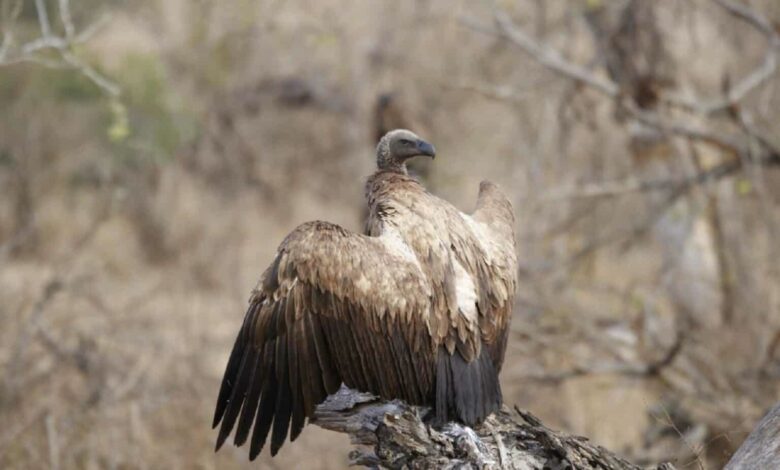
A staggering 47 white-backed vultures died after they were poisoned in Zululand, KwaZulu-Natal. Of the poisoned birds, 35 carcasses had their heads removed, indicating that they were killed to be used as traditional medicine.
Wildlife ACT vulture monitors discovered the carcasses while conducting routine vulture surveillance on Sunday.
In a statement, Wildlife ACT says that 47 carcasses were found and an additional five birds, which had not yet succumbed to the poisoning, received treatment at the scene before being transported to a permitted rehabilitation facility for further treatment.
Five tawny eagle carcasses were also found at the scene. A criminal case has been opened.
Also read: Vulture poisonings: Too vulnerable to weather large-scale killings
The swift response by conservation officials, who have been trained to handle such poisoning events, decontaminated the scene to ensure that no further fatalities occurred.
The discovery comes hot on the heels of the release of the Department of Forestry, Fisheries and Environment’s Biodiversity Management Plan (BMP) for South African Vultures which is out for public comment.
Scientist weighs in on threats against vultures
Mammal and bird scientist at Ezemvelo KZN Wildlife Brent Coverdale says poisoning for use in traditional medicine is one of the key threats facing vultures in South Africa.
“The current spate of such poisonings is unsustainable and will lead to the demise of vultures in South Africa and simultaneously, devastating environmental consequences, and the loss of cultural heritage,” says Coverdale.
Conservation agencies and the management plan itself, acknowledge that the traditional healers and the associations to whom they belong are a critical stakeholder in the conservation of vultures and thus require them to ensure that the poisoning of vultures is not only frowned upon, but any member dealing in products sourced from such events are reported to the authorities.
Leader of the local traditional authority realises vultures’ impact on ecosystem
“The loss of so many vultures from this area is extremely sad and it affects the health of our ecosystem and the livelihoods of our people,” says Inkosi Gumbi, leader of the local traditional authority.
“As the Gumbi community, we are working hard to establish a conservation-based economy, and illegal activity such as this has a large impact.”
“Ezemvelo KZN Wildlife and its conservation partner, Wildlife ACT, undertake annual monitoring surveys in KwaZulu-Natal and the worrying decline of all tree nesting vultures highlights not only the need for the management plan, but that all stakeholders have a responsibility to ensure that their actions are mitigated or avoided at all costs,” says Anel Olivier, Wildlife ACT’s vulture conservation programme manager.
“[We are] extremely saddened by the discovery of this recent mass vulture poisoning. Vultures are a vital component of our ecosystem’s functionality, yet we have seen a drastic decline of the local breeding population over the past few years due to poisoning, despite our best efforts.”
“The time to act is now if we want to protect these species. We urge the public to engage with the BMP commenting process before the deadline,” she says.
The commenting period for the BMP ends on January 2 and members of the public are encouraged to submit comments to ensure that South Africa’s heritage exists into perpetuity.
Read original story on www.citizen.co.za

