
Ballito red tide alert: Expert insights on algal bloom risks
Marine experts suggest the situation may not be as dire as initially feared, and clarify the situation on the North Coast.
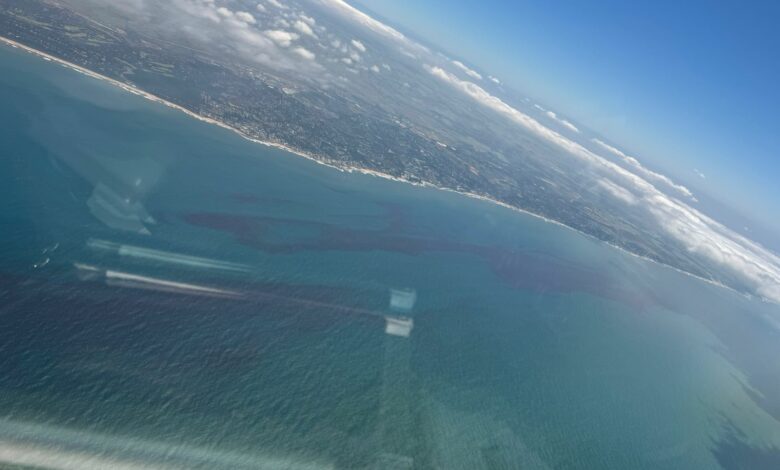
A trending social media message purporting a potentially harmful red tide moving in close to Ballito caused widespread alarm last week.
However, the presence of a red tide has still not been confirmed.
South African Association for Marine Biological Research (SAAMBR) spokesperson Ann Kunz confirmed water samples had been sent to Cape Town for testing but at the time of publishing, no result had been received.
The beaches remain open.
Red tides usually come onshore, and Kunz said the fact that whatever was in the water off Ballito had not reached shore was significant.
SAAMBR executive manager of education Jone Porter said red tides were most common in big bays with very calm conditions, such as those found in the Western Cape.
An upwelling of nutrient rich cold water in conjunction with very calm conditions would create ideal conditions for algae to make food from the nutrients to feed on. This would trigger an explosion of growth known as a bloom.
Porter explained that there are two harmful components to red tides: Oxygen deprivation and toxicity.
“Certain species of algae have toxins. Only if those species of algae reproduce is there an increase of toxic algae around,” said Porter.
She added the toxins would accumulate in filter feeders, such as mussels, which in turn affected people who ate the mussels.
One of the trademarks of a red tide is rock lobsters walking onto shore with some dying. Porter explained that any algal bloom (toxic or non-toxic) consumed oxygen in the water. This caused oxygen deprived crustaceans to leave the water in search of oxygen.
In a recent red tide in the Western Cape the lobster fisheries came to the rescue of affected rock lobsters, picking them up off the beach and taking them out to sea beyond the red tide. This not only saved the rock lobsters’ lives, but also allowed the fisheries to continue with operations.
Because the threat level a red tide could pose to marine life and humans was dependent on the species of algal bloom, Kunz could not make a blanket statement on whether it was safe to swim or eat marine fish during a red tide. However, when a toxic algal bloom is confirmed, she said beaches in Cape Town were closed to bathers and she advised not to eat crayfish, mussels and oysters as well as dead fish picked up on the beaches.
She said pelagic fish like tuna, Natal snoek and dorado would swim away from a red tide and remain unaffected.
Read original story on www.citizen.co.za

