
Calls for tougher action as revenge porn cases rise in Durban
A mother’s suicide attempt after her ex shared intimate videos has renewed calls for stronger laws and victim support against revenge porn.
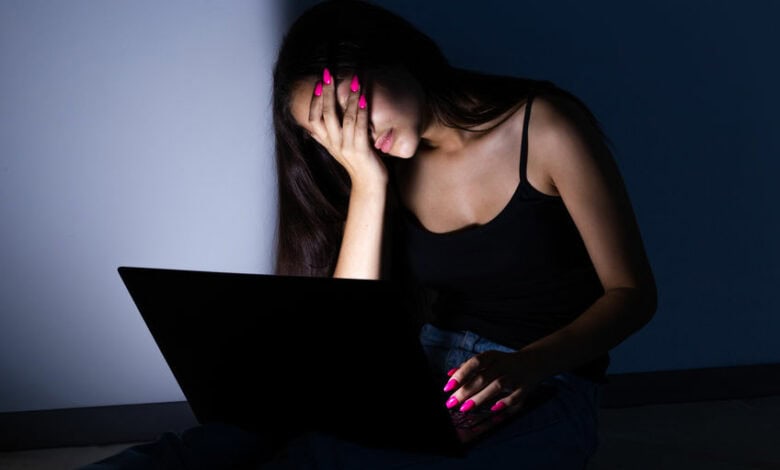
A 38-year-old Durban mother is recovering in hospital after attempting to take her own life when her ex-boyfriend shared intimate videos of them with her teenage son, parents and colleagues.
According to The Witness, the latest revenge porn attack has renewed calls for tougher action against those who distribute intimate content without consent and for stronger support systems to help victims rebuild their lives.
Revenge porn on the rise
Armed response security company Reaction Unit South Africa (Rusa) has raised the alarm on revenge porn, revealing that such cases are increasingly common.
Rusa spokesperson Prem Balram says the woman had moved on after the couple’s breakup and entered a relationship with a friend of her ex-boyfriend.
“This type of crime knows no boundaries. It affects all ages, from high school students to grandmothers.
“Many victims are too embarrassed to open criminal cases. We have attended around 15 cases of this nature this year alone. The recent victim in Durban attempted to end her life,” Balram adds.
He explains that the ex-boyfriend sent explicit videos and nude images to the woman’s teenage son, her mother and colleagues, which was ‘psychologically devastating’.
“The nightmare escalated after he discovered a WhatsApp status showing his former lover’s new relationship. This angered him to the extent that he threatened the single mother over the phone,” says Balram.
When the woman blocked him across social media platforms, he retaliated.
“The porn video and several nude images were also sent to her teenage son, prompting her suicide attempt. Fortunately, she received immediate medical assistance and is now in stable condition,” Balram says.
He adds that Rusa is handling two similar cases: One reported to the police and another kept secret by a suicidal victim too ashamed to come forward.
“Many victims, because of embarrassment, turn to us instead of the police, hoping we can caution the perpetrators. Sometimes perpetrators stalk them, which is why they seek our assistance.
“Break-ups can turn dangerous when material exists that can be used against one partner,” Balram warns.
Laws to protect victims
The Witness previously reported that posting sensitive information and images online is a criminal offence, punishable by jail time or a fine of up to R300 000.
Social media expert Emma Sadleir said that in the past 50 years, two laws have been enacted to protect victims of these cybercrimes: The Cyber Crimes Act 19 of 2020 and the Films and Publications Amendment Act of 2019.
“You can lay criminal charges under these laws. If someone threatens you, you can obtain a protection order and depending on the context, you may also pursue defamation claims. The penalties can include up to four years in prison or a R300 000 fine,” Sadleir said.
The Cyber Crimes Act criminalises the disclosure of harmful data messages and provides courts with powers to issue interim protection orders.
The Films and Publications Amendment Act makes it illegal to share explicit images without the consent of the people depicted.
Criminal and social consequences
Legal expert Mpumelelo Zikalala said that should the person who posted the content face criminal charges, their only defence would be to argue they did not intend to break the law or cause harm.
Complainants must also demonstrate how their character was defamed.
“This action has social consequences as it can damage a person’s reputation. Victims may lose jobs, struggle to find employment, or lose respect in their communities. They can also claim damages if their livelihood is affected in any way,” Zikalala explained.
‘A serious form of gender-based violence’
Mental health expert Siyabonga Nzimande said revenge porn is not just a digital crime but a serious form of gender-based violence that violates women’s dignity and rights.
“The psychological impact is devastating, often causing shame, anxiety, depression, and even suicidal thoughts.
“As we approach the 16 Days of Activism for No Violence Against Women and Children, we must recognise that abuse also occurs online.
“Communities must support survivors, not judge them.
“Protecting women’s rights means ensuring safety, respect and justice both offline and online,” Nzimande added.
Breaking news at your fingertips… Follow Caxton Network News on Facebook and join our WhatsApp channel.
Nuus wat saakmaak. Volg Caxton Netwerk-nuus op Facebook en sluit aan by ons WhatsApp-kanaal.
Read original story on witness.co.za

