
Carers need care too, say experts on World Mental Health Day
World Mental Health Day highlighted the emotional toll of caring for others. Three healthcare and therapy professionals share how they manage stress, prevent burnout and ensure their own well-being.

Caring for others is a calling that demands compassion, strength and resilience – but those who give so much of themselves also need care. Reflecting on World Mental Health Day, which was commemorated yesterday (October 10), three professionals shared the emotional demands of their work and the importance of nurturing their own mental well-being.
Caring for others takes strength and selflessness
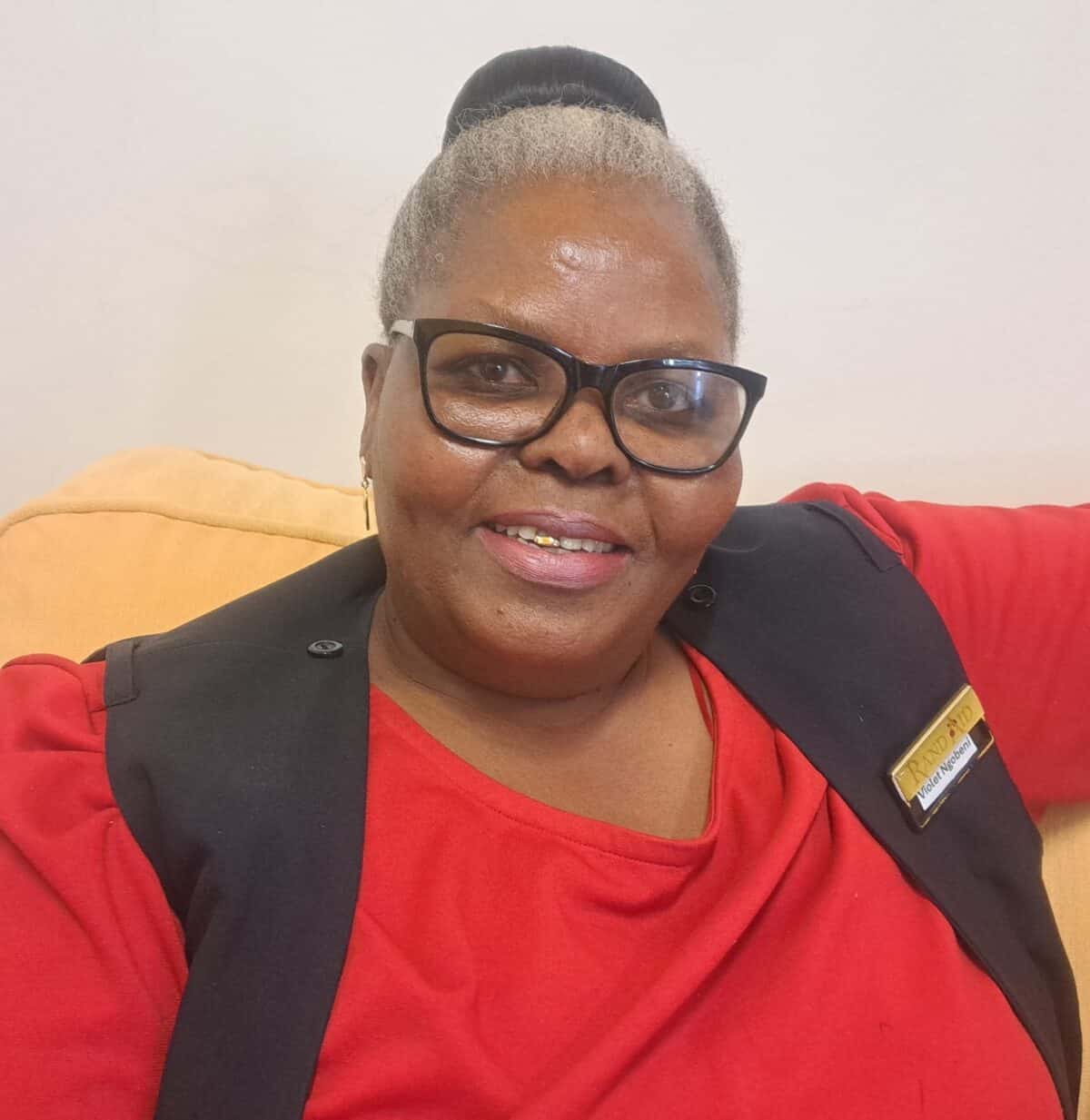
Violet Ngobeni, nursing services manager at Rand Aid’s Thembalami Care Centre and the Max Ordman Deaf Association, says her faith and belief in her calling sustain her. “As nurses, we owe it to the people in our care to come to work each day revived and ready for whatever comes our way,” she says.
“We are a voice for the voiceless, legs for those who cannot walk, ears for those who cannot hear and eyes for those who cannot see. It is our job to advocate for them, and to do that, we must leave our own problems at the gate when we get to work.”
The hidden weight of compassion fatigue
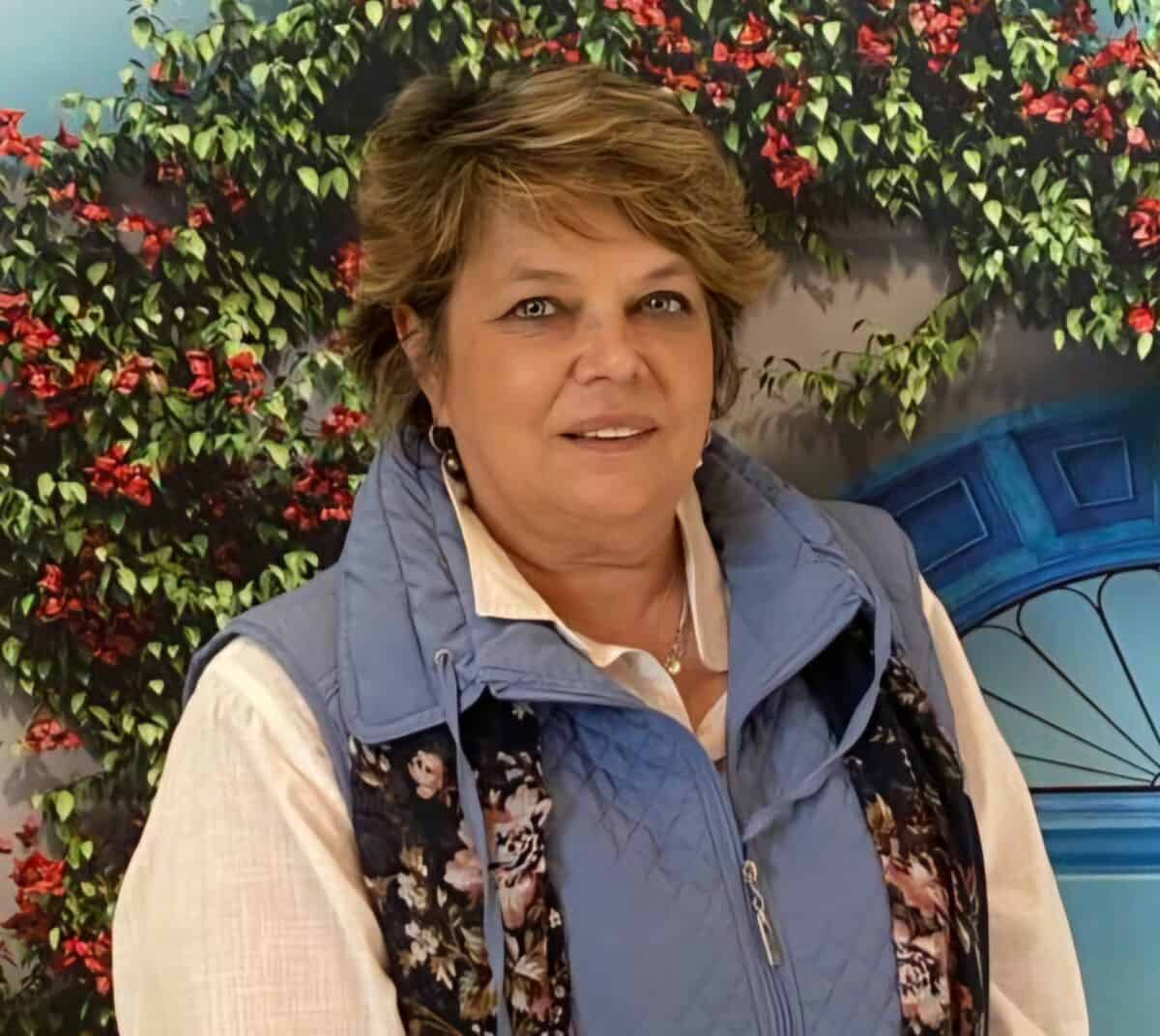
At Rand Aid’s Ron Smith Care Centre, manager Ulricka Beukman says caregivers in elder care are particularly vulnerable to compassion fatigue – emotional and psychological exhaustion that comes from prolonged exposure to the suffering of others.
“Professionals working with older residents face continuous exposure to loss, high care demands and frequent bereavement,” she explains. “This can lead to feelings of helplessness and emotional fatigue if not recognised and managed.”
Building resilience through support and self-care
Beukman says the centre actively promotes practices to help staff maintain resilience, including self-care, seeking social support, setting healthy boundaries and creating rituals to separate work and personal time. Staff are encouraged to share concerns openly, and regular debriefing sessions and memorial services offer emotional release.
“The appreciation we receive from our residents and their families is the emotional fuel that keeps us going,” she says. “Their gratitude – a gentle smile or heartfelt thank-you – fills our tanks in ways no coffee ever could. It reminds us why we do this work with love, again and again.”
The emotional toll of helping others heal
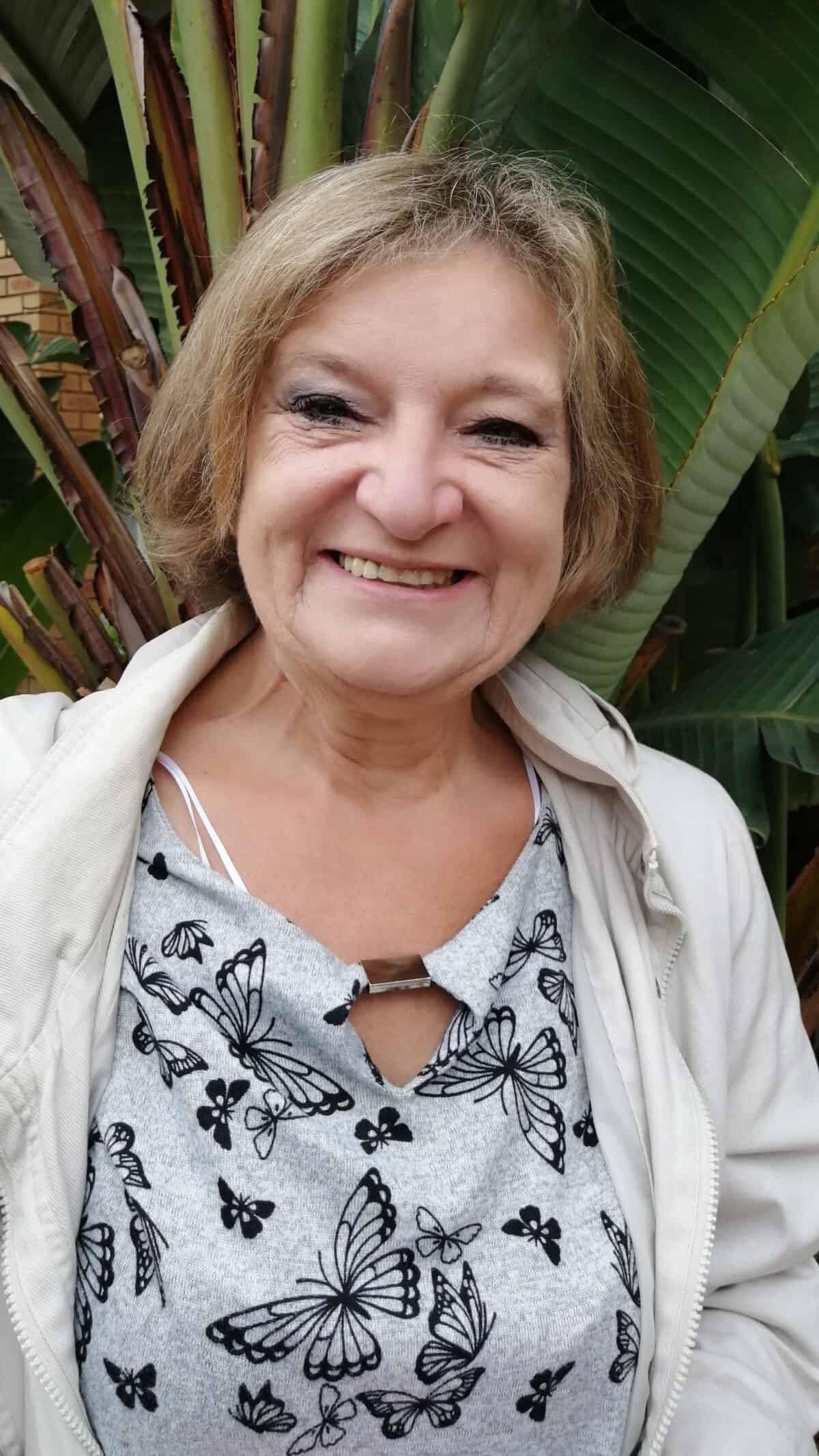
For Caryn Berman, occupational therapist at SANCA Wedge Gardens Treatment Centre, supporting people recovering from substance use disorders is both rewarding and emotionally taxing.
“Looking after people who have lived through trauma comes with an emotional toll,” she says. “As caregivers and therapists, we need care too. Supporting those who support others is crucial for sustainable healing and stronger communities.”
Balancing care for patients with care for self
Berman works with all in-care patients, facilitating group therapy and individual sessions that tackle the root causes of addiction. The workload can be heavy and emotionally draining. “Burnout is a real challenge in this field,” she admits. “At times I’m coping well, but at other times I feel I’m sinking into a trough without even realising it.”
To manage stress, she relies on colleagues for encouragement, takes daily breathing and meditation breaks, and finds balance through family time and cooking. “Dinner with my family is non-negotiable – no phones or TV, just connection,” she says.
Prioritising mental health for those who give care
For all three women, the message this World Mental Health Day was clear: Those who care for others must also take care of themselves. By acknowledging compassion fatigue, setting boundaries and finding time to recharge, caregivers can continue to give of their best – not only to those they serve, but to themselves.
Read original story on www.citizen.co.za

