
‘Closest to hell’: Hoedspruit residents take heat in stride
While residents in Hoedspruit share their unusual ways of keeping cool, a meteorologist explains the science behind South Africa’s intense weather patterns.
Gauteng residents sought relief from the scorching heat in swimming pools, under cold showers and in air-conditioned rooms over the weekend as temperatures climbed to 34°C in Pretoria and 32°C in Johannesburg.
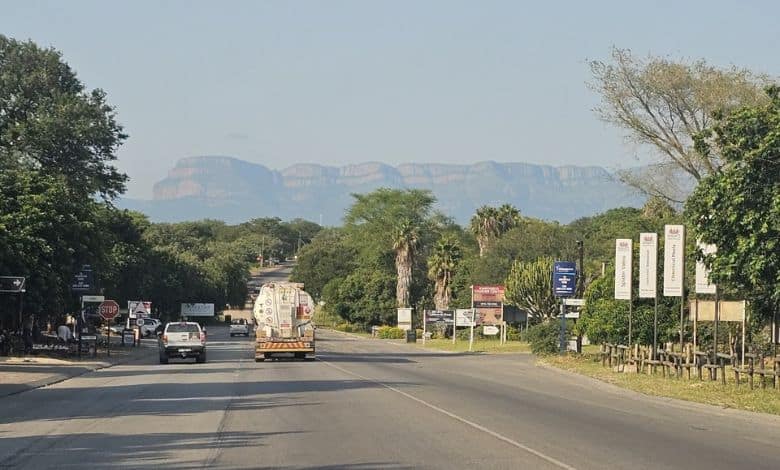
In Hoedspruit, Limpopo, where summer temperatures can soar above 40°C, residents are used to a different level of heat.
Known for its wildlife tourism, private game reserves and proximity to the Kruger National Park (KNP), the town has earned the nickname among locals of ‘closest to hell’.
“Do not for one moment think that we do not complain about the heat. In the mornings, the heat and how we are going to keep cool that day are the most newsworthy topics,” says retired citrus farmer Andre Topham.
“But it helps to moan a bit and then continue with our daily lives.”
Caxton Network News reported earlier today (October 19) that a severe heatwave would continue, with persistently high temperatures expected across parts of the Mpumalanga Highveld, the southern Mpumalanga Lowveld and the south-western Bushveld in Limpopo.
According to AccuWeather, Hoedspruit was forecast to reach 37°C today (October 19), with temperatures expected to ease tomorrow before climbing to 41°C on Thursday (October 22).
Jeanné van der Sandt, the owner of Rooster Café in Hoedspruit, says moving from KZN’s more moderate climate meant adapting to the dry heat of the Lowveld.
‘We drink brandy and Coke’
“Sometimes it gets so hot that the tar on the roads melts.”
She and her family have lived in Hoedspruit for 11 years and she says people adapt surprisingly quickly.
“During the day, we keep hydrated by drinking lots of iced coffee and water. In the evenings, well, we drink brandy and Coke with lots of ice inside,” she says with a laugh. “That’s the only drink that really cools the body off.”
Van der Sandt says khaki clothing and shorts are common sights among men and women throughout the year.
She believes the choice of clothing helps people cope with the heat, although the suitability of clothing depends on its fabric, colour and breathability.
A midday break would also come in handy, she says.

In countries such as Spain, Italy and Greece, the tradition of taking an afternoon break developed partly as a practical response to hot weather. Historically, people working outdoors often rested during the hottest hours and resumed their activities later in the day, before air conditioning became widely available.
Van der Sandt would welcome a similar arrangement in Hoedspruit.
“By 15:00, it is so hot that we cannot breathe, but unfortunately, we cannot take a two-hour break.”
Meteorologist Annette Botha from Vox Weather says Vioolsdrift in the Northern Cape is among the places that stand out when discussing South Africa’s hottest locations. Upington and the KNP also experience very high temperatures during summer.
Where are South Africa’s hottest places?
However, a temperature of 40°C in Vioolsdrift does not necessarily feel the same as 40°C in the Kruger National Park.
“Vioolsdrift has a very dry desert climate, while the Kruger National Park has a warmer, subtropical climate, with higher humidity during the rainy season,” Botha explains.
In dry conditions, sweat evaporates more easily, helping the body cool down. Higher humidity makes this process less efficient, which can make the same air temperature more difficult to tolerate. Wind, direct sunlight and access to shade also affect how hot it feels.
Botha says people living in these areas adapt their daily routines to the heat, for example by working early in the morning and avoiding the hottest part of the day.
“However, even if you are accustomed to the heat, extreme temperatures can still be dangerous.”
South Africa is getting warmer
Botha says long-term climate data shows that South Africa has generally become warmer.
“Studies show that maximum temperatures have risen and that we are experiencing more hot days than in the past.”
However, spring heatwaves are not unusual in South Africa. Weather patterns vary from year to year, and certain conditions can cause temperatures to soar earlier in the season than expected.
The bigger concern is whether extreme heat is becoming more frequent or intense as the climate warms.
According to Botha, the important question is not simply how hot it is on a particular day, but how often these temperatures occur, how long they persist and how they compare with historical averages.
Botha says the current heat is largely driven by a dominant upper-air high-pressure system over South Africa.
What is causing the current heatwave?
“It works somewhat like a ‘heat dome’, with air descending from the upper atmosphere and becoming compressed, which causes it to warm up.”
She explains the system can also limit cloud formation, resulting in abundant sunshine and strong daytime heating of the surface.
“Because the high-pressure system can dominate weather patterns across an area, the hot conditions may persist for several days rather than clearing quickly.”
While wild animals such as giraffes can seek shade under trees in Hoedspruit and the KNP, domestic animals rely on their owners to help them cope with a heatwave. Social media users shared pictures and stories of dogs jumping into swimming pools and cats hiding under beds to escape the heat.
Caring for animals in extreme heat
Leandi Kruger, a Facebook user, advises pet owners to put ice cubes in their animals’ water bowls, wet them (including cats) with cool water, and keep them out of direct sunlight.
The SPCA branch in Amanzimtoti, KZN, in a post on its Facebook Page advises pet owners to provide fresh, clean, cool drinking water and ensure their animals have access to shade and cool, well-ventilated areas.
Dogs should be walked early in the morning or later in the evening when temperatures are lower.
Hot paving and sand can burn their sensitive paw pads, and pets should never be left unattended in a parked car, even with the windows slightly open. Puppies, kittens, older animals, overweight pets and those with breathing difficulties need extra care during hot weather.
The SPCA also warns owners to watch for signs of heatstroke, including heavy panting, excessive drooling, vomiting, weakness, confusion or collapse. If heatstroke is suspected, move the animal to a cool, shaded area, begin cooling it gradually with cool, not ice-cold, water and contact a veterinarian or emergency vet immediately.
Treatment should not be delayed, even if the animal appears to improve.
Caxton Network News asked Caxton Local Media’s Facebook readers, across our network of 61 Facebook pages, what the weather is doing in their area.
Reader’s response
Bongani Shusha Mashele commented on Lowvelder’s Facebook page: “We are burning in Mbombela.”
O’bout Fielding commented on Mpumlanga News’ Facebook page: “Severe heat in Mbombela😥”
Elsa Nortje commented on Rekord’s Facebook page: “Die wind waai, is steeds drukkend warm, Rietfontein Pretoria.”
Michael Boltom commented on Middelburg Observer’s Facebook page: “Middleburg, Mpumalanga, strong winds; otherwise it’s cool.”
Fifi’s Nails commented on Carletonville Herald’s Facebook page: “It was hot yohh.”
Jeanne Prentice commented on South Coast Herald’s Facebook page: “Margate… Windy, chilly, drizzly and overcast, not a good holiday day.”
Peter Burger commented on Brakpan Herald’s Facebook page: “Thank goodness, summer is here.”
Breaking news at your fingertips… Follow Caxton Network News on Facebook and join our WhatsApp channel.
Nuus wat saakmaak. Volg Caxton Netwerk-nuus op Facebook en sluit aan by ons WhatsApp-kanaal.
Read original story on www.citizen.co.za

